Understanding the linear motion slide: A veteran’s perspective
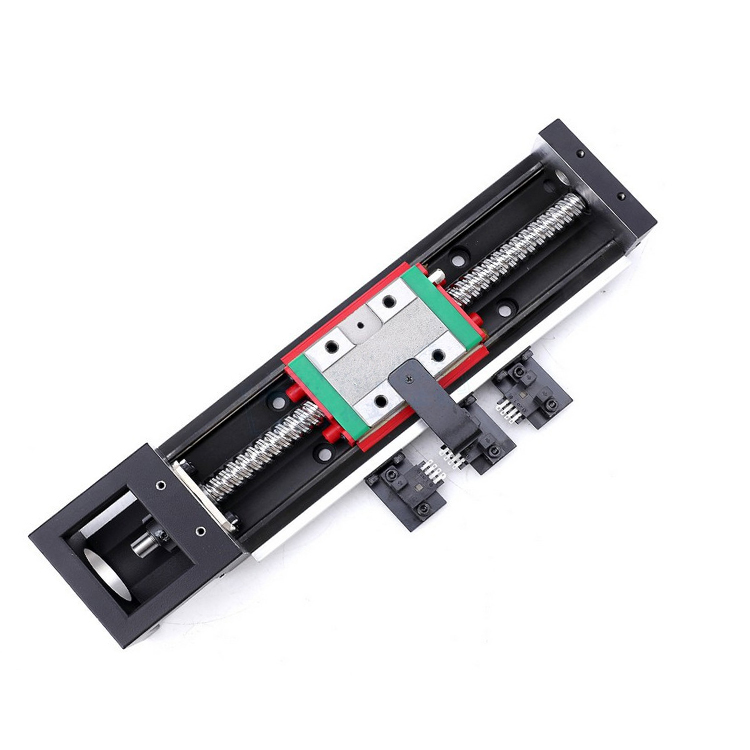
Having spent a good chunk of my career navigating the industrial equipment sector, I’ve seen plenty of components come and go. But linear motion slides—oddly enough—have this quiet reliability that just never gets old. Whether in robotic arms, CNC machines, or automated assembly lines, these slides keep precision moving forward. In real terms, they’re the backbone behind smooth, controlled, straight-line motion, and that precision is what engineers truly crave.
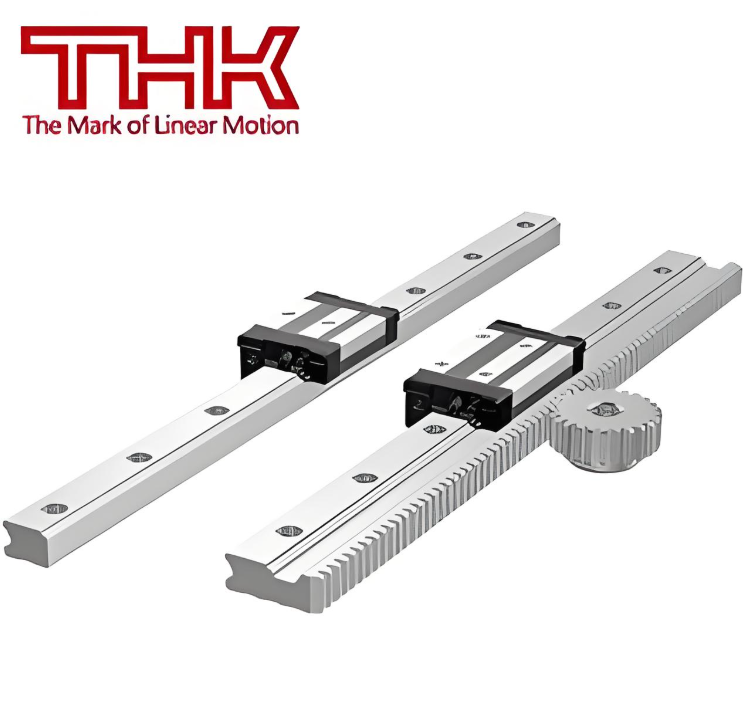
What I always appreciate about quality slides is the balance between materials, design, and real-world testing. Many times, you get shiny specs on paper but poor durability on the floor. My experience has taught me that stainless steel construction often wins the day for corrosion resistance, especially when conditions get a bit harsh. Plus, the craftsmanship behind the rail and carriage system makes all the difference—for instance, steel balls versus rollers inside the guide, or the sealing methods to keep dust out.
Oddly enough, some manufacturers don’t openly share testing protocols, which honestly raises eyebrows. In contrast, vendors like YD Motion offer performance data from cycle testing that’s pretty reassuring. You want a slide that’s smooth after 100,000 motions, not one that’s already gritty at a quarter of that. Plus, customization options matter. One project I recall needed a longer stroke length and specific mounting holes—and having that flexibility saved us considerable downtime.
| Specification | Details |
|---|---|
| Material | Stainless steel (rail & carriage) |
| Load Capacity | Up to 150 kg |
| Stroke Length | 50 mm to 500 mm (customizable) |
| Repeatability | ±0.02 mm |
| Sealing | Dust and water resistant (IP54) |
| Lubrication | Pre-lubricated with long-life grease |
Speaking of vendors, in my rounds I’ve compared several brands. Some focus heavily on cost-saving, often at the sacrifice of durability—kind of a false economy, if you ask me. Others price sky-high but don’t always offer the flexibility or testing proof I look for. Below is a simple comparison of three notable suppliers in this space, based on specs, quality assurance, and customization.
| Vendor | Load Capacity | Testing Data | Customization | Price Range |
|---|---|---|---|---|
| YD Motion | Up to 150 kg | Extensive cycle tests, IP rating certified | Highly customizable stroke and mounting | Mid-range |
| Competitor A | Up to 120 kg | Limited test data | Standard sizes only | Budget |
| Competitor B | Up to 200 kg | Some test info, mostly internal | Moderate customization | Premium |
One little story I like to tell: I once worked with a small manufacturer who switched to linear motion slides from YD Motion after their original supplier’s slides failed prematurely in a humid environment. Switching not only improved uptime but also cut maintenance hours dramatically. It felt like a small change, but the impact was tangible—less surprise downtime, happier operators, and frankly less stress all around.
In the end, if you ask me, choosing the right linear motion slide isn’t just about specs or sticker price. It’s about experience on the floor, test data you can trust, and a vendor who listens. Linear motion slides remain an essential, if often overlooked, element in industrial automation. They quietly keep things running smooth, precise, and durable.
So whenever you’re eyeballing that next project, remember: good slides = less hassle later on.
References:
- Industrial Linear Motion Components Handbook, 2023 Edition
- “Evaluating Precision in Motion Systems,” Journal of Manufacturing Science, 2022
- YD Motion Product Catalog and Testing Reports, 2023