Products

Linear Module

For manufacturers and system integrators searching for a high-performance linear module, product reliability and supplier capability are just as important as technical specifications. A linear module is the core motion unit in automation equipment, directly affecting positioning accuracy, operating speed, and long-term system stability. Yidi linear modules are engineered to deliver consistent precision, smooth motion, and durable performance, making them a trusted choice for industrial automation, CNC machinery, robotics, and smart production lines.

One of the key advantages of a Yidi linear module is its integrated design. By combining linear guides, ball screws or belt drives, bearings, and rigid aluminum profiles into a compact structure, Yidi modules reduce installation complexity while improving overall stiffness. This integrated approach minimizes alignment errors, lowers vibration, and ensures repeatable motion even in high-cycle applications. For customers, this means faster setup, easier maintenance, and more stable performance over the entire service life of the equipment.

Precision is another defining strength. Yidi applies advanced machining, strict tolerance control, and optimized assembly processes to every linear module. As a result, the modules achieve high positioning accuracy, smooth acceleration, and excellent repeatability under varying loads. Whether used in light-duty pick-and-place systems or heavy-duty industrial handling equipment, Yidi linear modules maintain reliable motion control without sacrificing speed or load capacity.

Durability and adaptability further enhance Yidi’s competitive edge. High-quality materials, surface treatments, and sealed bearing designs improve wear resistance and protect internal components from dust and contaminants. At the same time, Yidi offers customized linear module solutions, including stroke length, load rating, mounting options, and drive types, allowing customers to tailor the module to their specific application.

By combining product-level advantages with strong manufacturing experience, quality control, and technical support, Yidi delivers linear modules that not only meet performance requirements but also help customers optimize system efficiency and reduce total operating costs—making Yidi a reliable long-term partner in precision linear motion solutions.

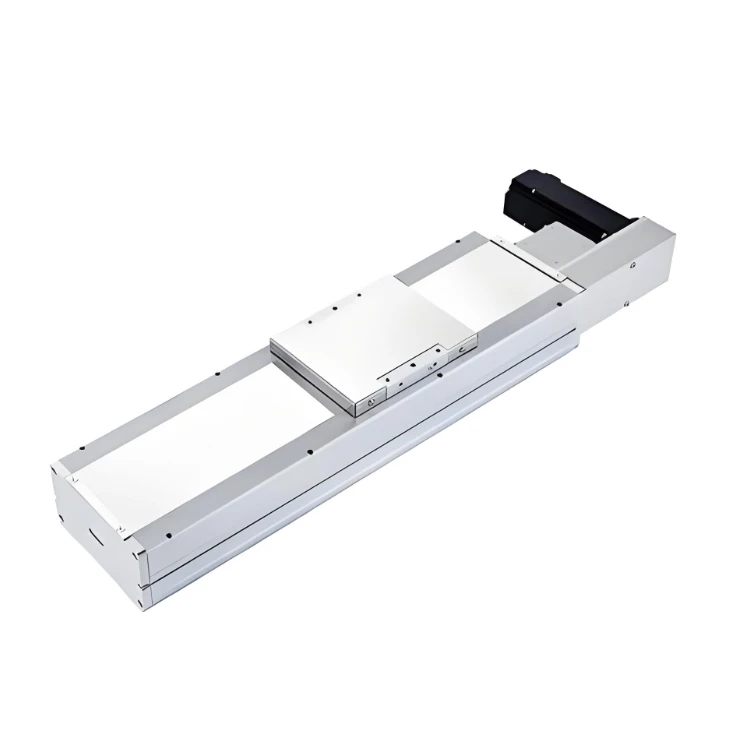
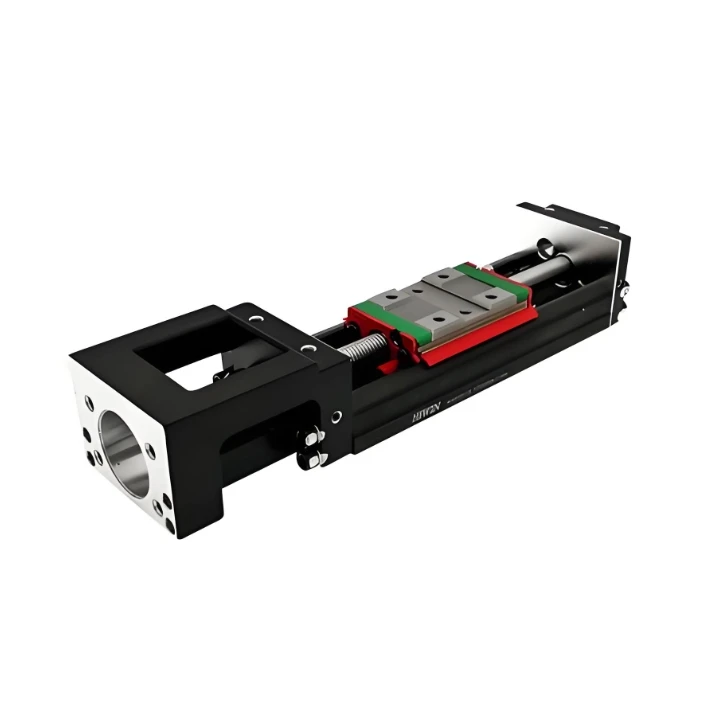
KK Series Linear Module KK86 Ball Screw Linear Actuator KK60 Linear Motion Module
The Linear Module Integrates A Servo Motor, A Lead Screw Or A Synchronous Belt, And A Slide Rail. It Has A Compact Structure And Is Easy To Install. It Is An Ideal Solution For Achieving Efficient Linear Motion.
View More
KA Series Ball Screw Linear Actuator Single-Axis Linear Module
View More
Silent Belt Module LD4015 Single-Axis Linear Module
View More
Linear Module LD45Q Fully Enclosed Dust-Proof Belt Module
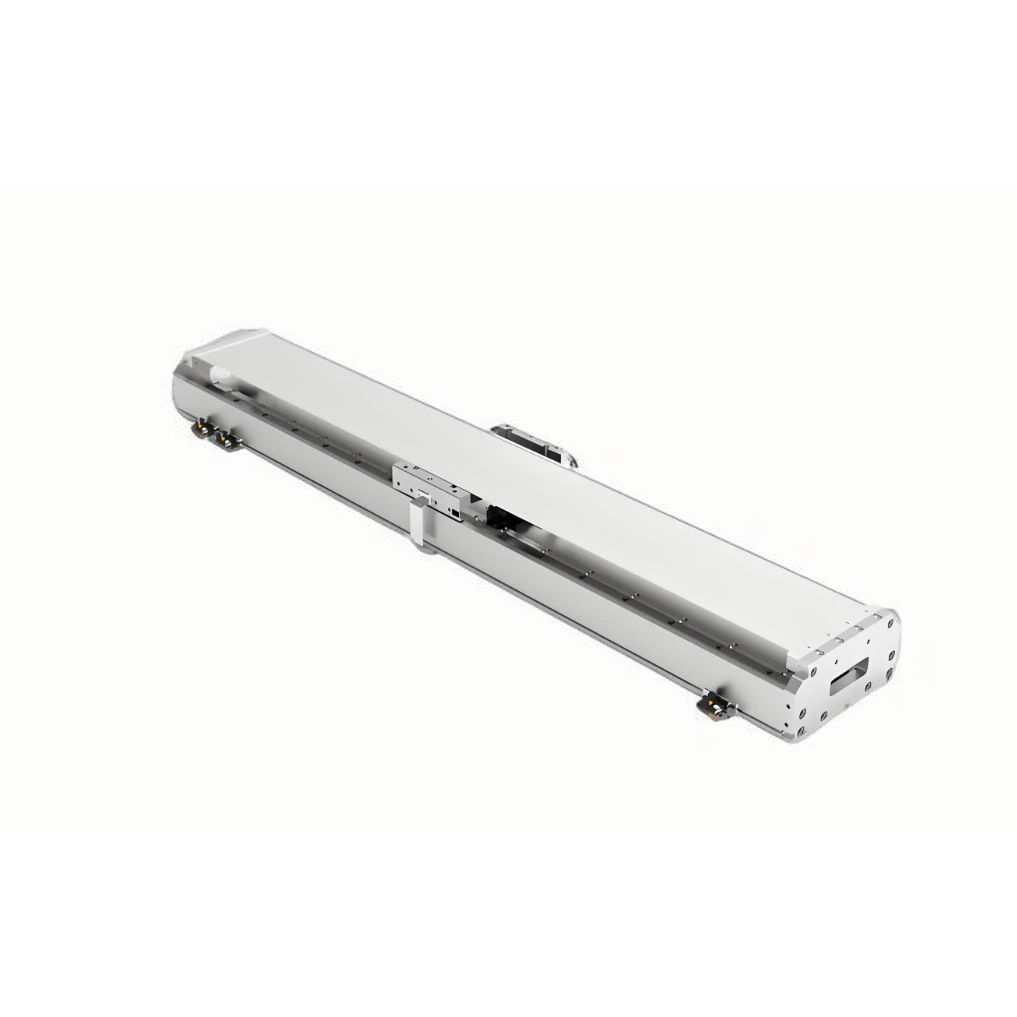
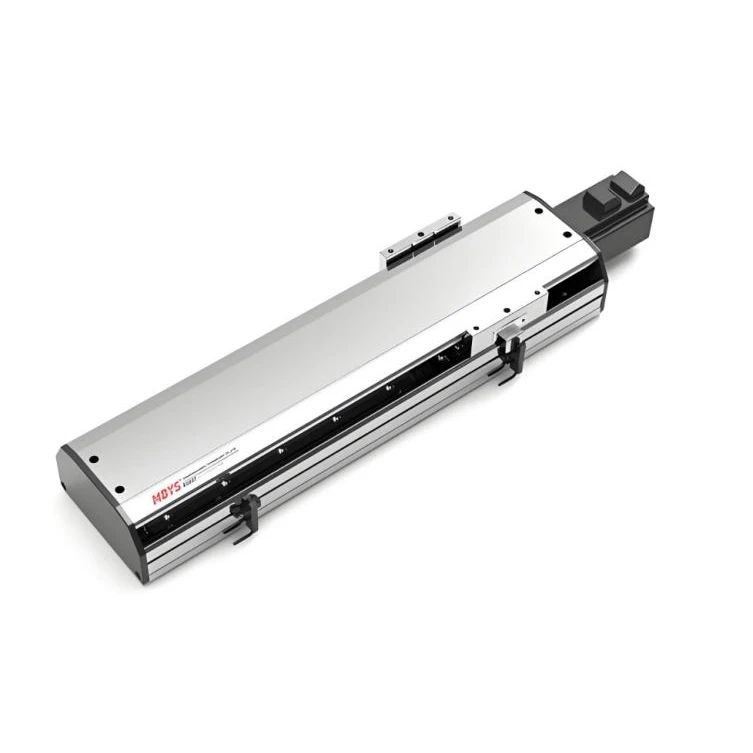
LD45Q belongs to the fully enclosed high load belt transmission module, which focuses on three major characteristics: high protection, low maintenance cost, and long stroke accuracy stability. It is designed specifically for automation equipment in dust/oil pollution environments.
View More
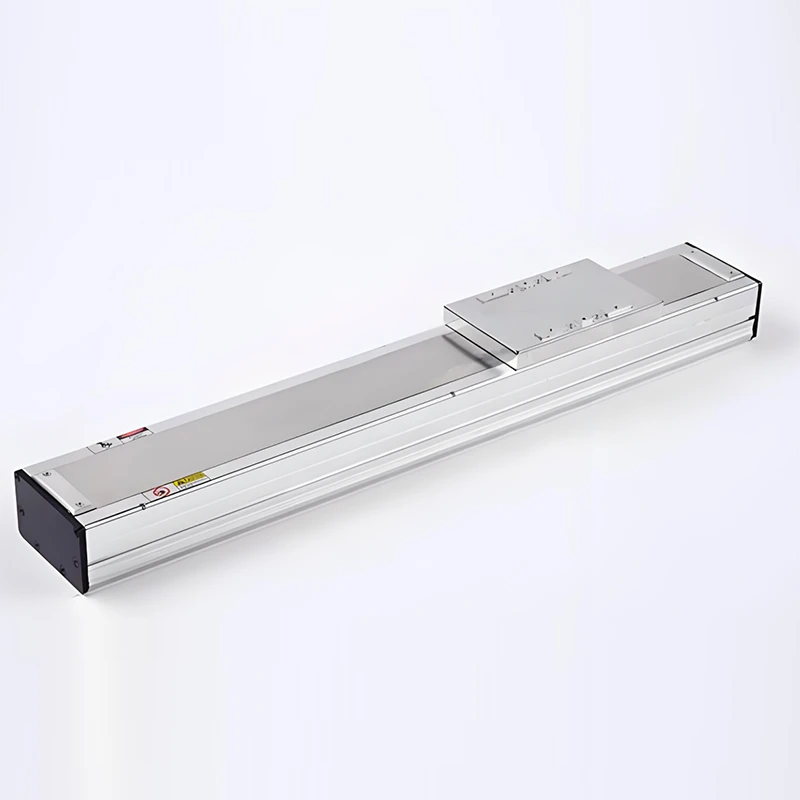
Single Axis Robot Linear Module KK Series KK86 KK100 Ball Screw Linear Module
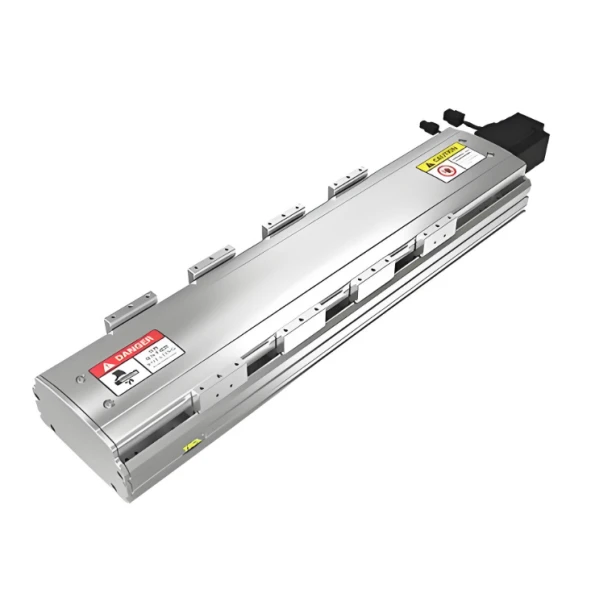
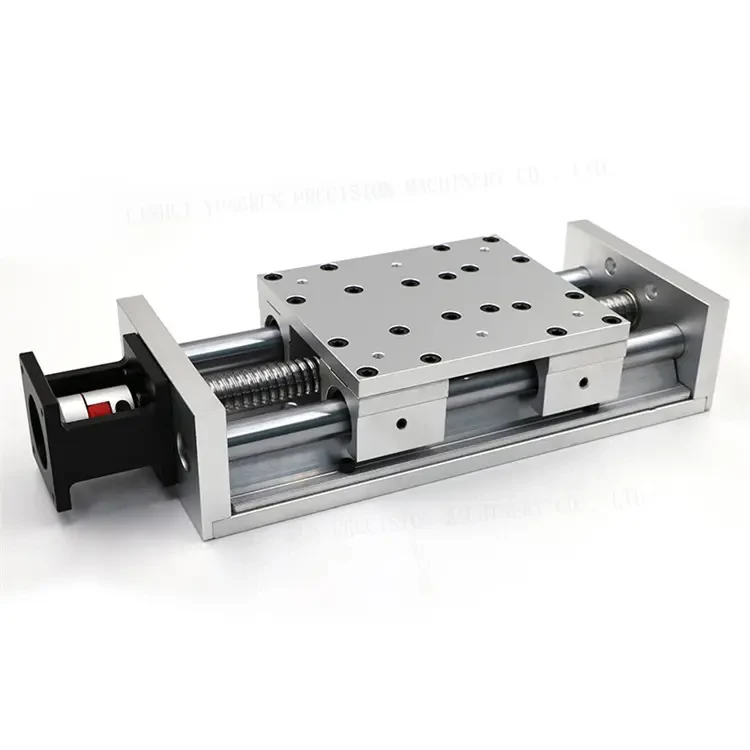
The KK single axis robot is mainly designed through modularization, integrating ball screws and linear guides together. Therefore, it can provide features such as high precision, fast installation, selection, high rigidity, small size, and space saving.
By using high-precision ball screws as the transmission mechanism and optimizing the design of U-shaped tracks as the guiding mechanism, the requirements for accuracy and rigidity are ensured.
View More
LDB14 Linear Module Belt Linear Sliding Table Dustproof Linear Motion Module
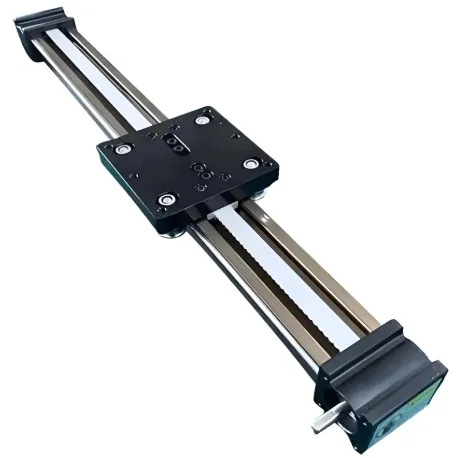
LDB14 linear module, medium-sized belt slide table, is a high-precision linear motion device widely used in the field of industrial automation. Adopting a high rigidity linear guide system to ensure smooth motion and repeat positioning accuracy, it is driven by ball screws or synchronous belts to adapt to different loads and speed requirements.
View More
LDA12 Series Linear Module Lightweight Screw Slide Table Ball Screw Linear Actuator
View More
:LDH5 Lightweight Ball Screw Linear Actuator Vertical/Horizontal Installation Linear Module
The core features of the LDH5 lightweight screw linear module focus on high-precision, lightweight design, and space optimization, mainly suitable for precision positioning and handling scenarios in automation equipment. It is mainly used in precision automation fields such as electronic component assembly, circuit board plug-ins, and wafer box positioning. Its lightweight and high-precision characteristics are particularly suitable for high-speed and highly repetitive work environments.
View More
Heavy Duty Double Rail LDG16 Horizontal /Vertical Ball Screw And Linear Guide Sliding Table Linear Module
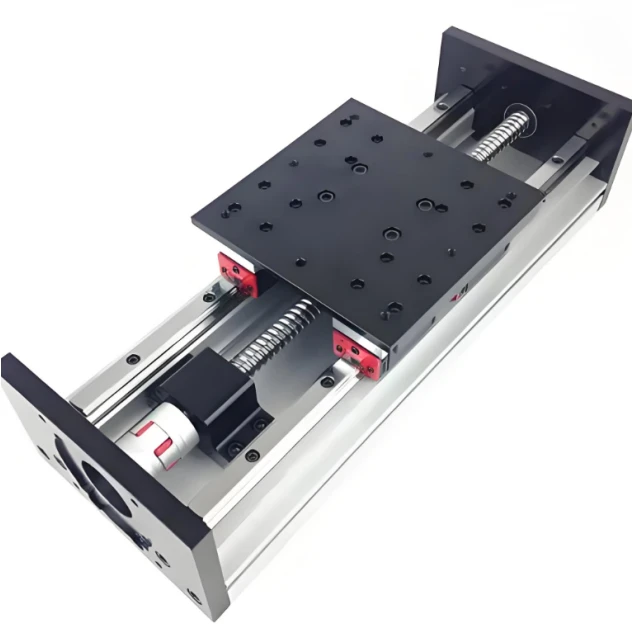
The LDG16 medium-sized screw linear module is a modular motion unit that integrates ball screws and linear guides. It achieves high-precision linear motion through motor drive and is suitable for positioning, handling, and processing scenarios in automation equipment. Its core design balances rigidity and lightweight, with typical applications including PCB cutting, laser processing, precision inspection, etc.
View More

What Is a Linear Module and How Does It Work?


A linear module is a compact, integrated mechanical unit designed to deliver precise linear motion in industrial automation systems. It combines key motion components—such as a linear guide, drive mechanism, carriage, and protective housing—into a single, ready-to-install assembly. Compared with assembling separate motion parts, a linear module simplifies design, improves alignment accuracy, and reduces installation time, making it a popular choice in CNC machines, robotics, packaging lines, and automated assembly equipment.

At its core, a linear module converts rotary motion into controlled linear movement. This process begins with a drive source, typically a servo motor or stepper motor, which generates rotational force. The rotation is then transmitted through a drive mechanism, most commonly a ball screw, belt drive, or linear motor, depending on the required speed, load capacity, and positioning accuracy. Ball screw linear modules are favored for high-precision and heavy-load applications, while belt-driven linear modules are often used where long travel lengths and higher speeds are needed.

The linear guide system inside the module plays a crucial role in maintaining stability and accuracy. Precision guide rails and recirculating ball or roller bearings support the moving carriage, ensuring smooth motion with minimal friction. This structure allows the linear module to achieve excellent repeatability and positioning accuracy, even under continuous operation. In addition, the rigid aluminum or steel profile housing helps protect internal components from dust and debris, extending service life and reducing maintenance requirements.

From a control perspective, the linear module works seamlessly with motion controllers and feedback devices such as encoders. These components monitor position, speed, and acceleration in real time, enabling precise control and synchronization with other axes. As a result, linear modules can be easily configured into single axis linear modules or multi-axis linear systems, offering a scalable and efficient solution for modern automated manufacturing environments.


Ball Screw Linear Module vs Belt-Driven Linear Module: Which Is Better?


When selecting a linear motion solution for industrial automation, the comparison between a ball screw linear module and a belt-driven linear module often becomes a key decision point. Both systems are widely used, but they are designed to meet different performance requirements. Understanding their core differences helps engineers and buyers choose the right solution based on accuracy, speed, load, and cost.

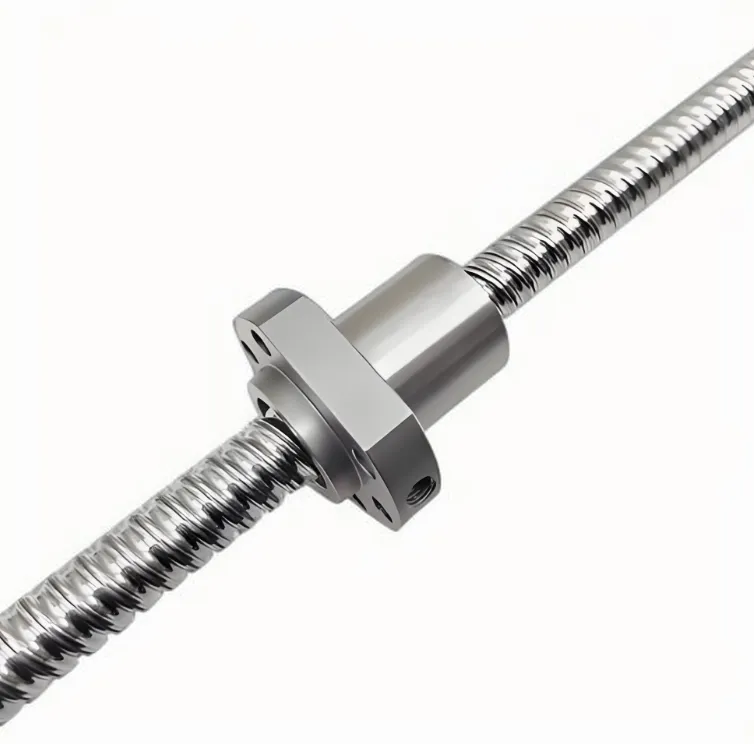
A ball screw linear module is best known for its high precision and excellent positioning accuracy. By converting rotary motion into linear motion through rolling balls, friction is significantly reduced, resulting in high efficiency and repeatable movement. This makes ball screw linear modules ideal for applications that demand tight tolerances, such as CNC machinery, semiconductor equipment, precision assembly lines, and medical devices. They also perform well under heavy loads and vertical installations, where stable thrust and minimal backlash are critical. However, ball screw systems usually have a limited travel length and a higher initial cost, especially when higher accuracy grades are required.

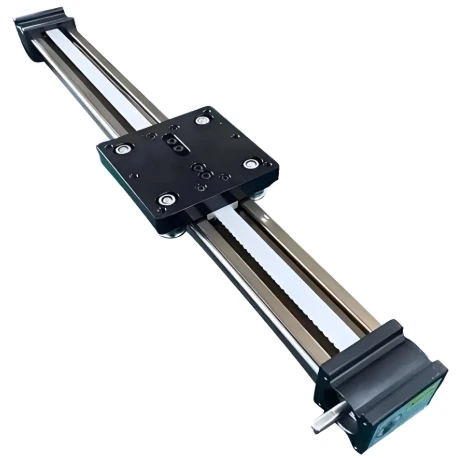
In contrast, a belt-driven linear module focuses on speed, long stroke capability, and cost efficiency. Using a timing belt and pulley system, belt-driven modules can achieve much higher travel speeds and longer distances without a significant increase in system complexity. This makes them a popular choice for packaging lines, pick-and-place systems, material handling, and general automation tasks where ultra-high precision is not essential. Belt-driven linear modules are typically lighter, quieter at high speeds, and more economical for large-scale or multi-axis systems. The trade-off is lower positioning accuracy and reduced stiffness compared to ball screw designs.

So, which is better? The answer depends on your application. If your project prioritizes precision, rigidity, and load capacity, a ball screw linear module is the better choice. If speed, long travel, and cost control are more important, a belt-driven linear module offers greater advantages. Choosing the right module ultimately means matching performance characteristics to real-world operating requirements.


Products

Precise Linear Control with Linear Actuators

Linear actuators provide accurate, automated linear motion for equipment like conveyors, adjustable tables, and robotics, enhancing efficiency and control in industrial systems.

Quickly find the problems you encounter most often

Linear Module FAQs

  • What is a linear module?

    A linear module is an integrated motion unit designed to provide precise, stable linear movement. It typically combines a linear guide, drive system (such as a ball screw or belt), bearings, and a rigid structural profile into one compact assembly. Linear modules are widely used in automation equipment, CNC machines, robotic systems, and material handling applications where accuracy and repeatability are essential.

  • What are the main advantages of using a linear module?

    Compared with building a motion system from individual components, a linear module offers easier installation, better alignment accuracy, and higher overall rigidity. Pre-assembled modules reduce design time, minimize installation errors, and improve motion consistency. High-quality linear modules also deliver smooth movement, low friction, and long service life under continuous operation.

  • What drive types are available for linear modules?

    The most common drive types include ball screw linear modules and belt-driven linear modules. Ball screw modules are ideal for applications requiring high precision, strong load capacity, and accurate positioning. Belt-driven modules are better suited for long strokes, high speeds, and lighter loads. Some applications also use rack-and-pinion or linear motor modules for specific performance needs.

  • How do I choose the right linear module for my application?

    Selection depends on several factors, including load weight, stroke length, speed, positioning accuracy, duty cycle, and installation space. Environmental conditions such as dust, temperature, and humidity should also be considered. A reliable supplier like Yidi can help match these requirements with the appropriate linear module configuration.

  • Are linear modules customizable?

    Yes. Many linear module manufacturers offer customization options such as stroke length, mounting interfaces, motor type, protection level, and lubrication method. Custom linear modules help ensure optimal performance and seamless integration into existing systems.

  • What maintenance does a linear module require?

    Routine maintenance usually includes regular lubrication, inspection of fasteners, and checking for abnormal noise or vibration. With proper maintenance and quality manufacturing, linear modules can operate reliably for long periods with minimal downtime.

Reviews
Linear Module Strongly Recommended For High-Speed Automation Projects
The linear module's precision is outstanding – we've achieved ±0.01mm repeatability in our CNC upgrades
Reviews
Dahlia Testolini
Manufacturing Industry
Reviews
Reliable And Durable, Significantly Reducing Maintenance Costs
Our photovoltaic power station uses your company's linear actuator to track solar panels 24/7. After undergoing rigorous outdoor environmental testing, the actuator still operates stably without frequent maintenance. The sturdy structure and sealed design make it perform exceptionally well, reducing our maintenance costs and enhancing power supply efficiency. Highly recommended to other projects!
Reviews
SolVista Energy SL
Solar Tracking System
Reviews
These Linear Modules Deliver Buttery-Smooth Motion Even After Months Of Heavy Use
Precision engineering at its best! Not a single failure in 18 months of 24/7 operation. Outlasted our previous supplier's units by 3x
Reviews
Paolo Pellanda
Automotive Manufacturing
Reviews
High Quality Linear Modules+Worry Free Technical Guidance Throughout The Process
Their engineers solved our synchronization issue via video call at 2AM local time. Unbeatable support
Reviews
Stella Alahmed
Electronics Manufacturing

Follow Our Blog

Ball Screw Precision: Low Backlash, High Load, Custom Options

  Ball Screw is a key solution in the manufacturing industry, specifically within General equip
Dec 12 . 25

Durable Linear Rail Shaft Guide Solutions for Precision Industries | YDmotion

Discover the benefits and applications of high-quality Linear Rail Shaft Guides from YDmotion. Ideal for manufacturing, automation, and robotics, our guides offer precision, durability, and great ROI.
Jan 01 . 26

‌1 Screw, 5 Industries: SFU's Cross-Sector Dominance

Introduction to the SFU1605 C3 Ball Screw The SFU1605 C3 Ball Screw represents a pinnacle of mechani
Sep 09 . 25

If you are interested in our products, you can choose to leave your information here, and we will be in touch with you shortly.


3_3ricon1-webp17404468391174113810811 819_2025032815201169958.png

If you are interested in our products, you can choose to leave your information here, and we will be in touch with you shortly.