The Practical Guide to linear rail block in Industrial Applications
After spending well over a decade working with machinery components, I can say one thing for sure: the humble linear rail block is often the unsung hero of precision motion systems. You don’t often hear it hyped at trade shows, yet in real terms, it’s the backbone that keeps equipment running smooth, accurate, and reliable.
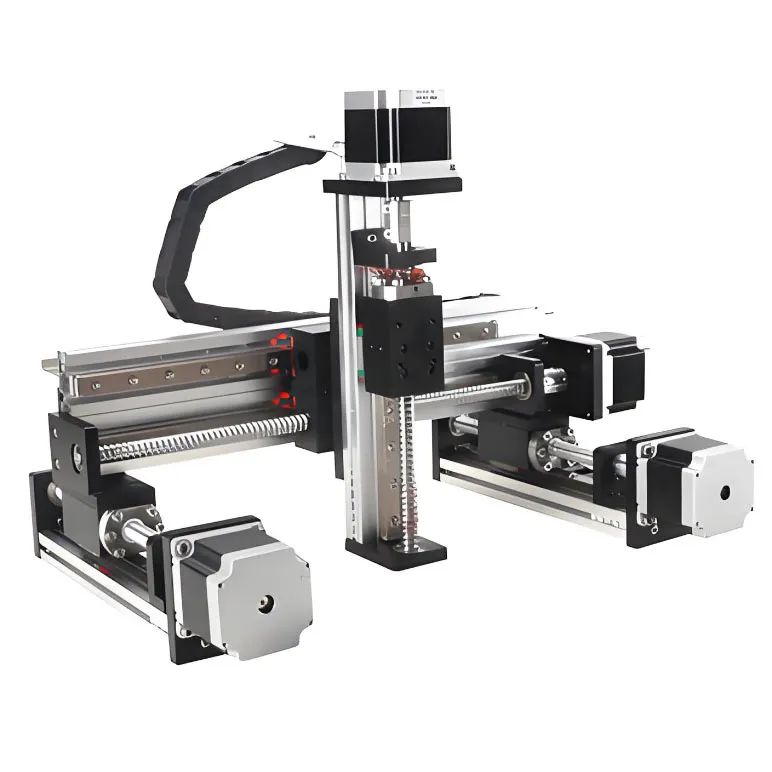
These blocks, sliding along linear rails, enable machines — whether CNC mills, robotics, or automated assembly lines — to move with minimal friction and excellent repeatability. Oddly enough, many engineers overlook how much design and material selection matter here. I’ve had early experiences where a cheaper block failed prematurely, causing unexpected downtime — and that’s costly, trust me.
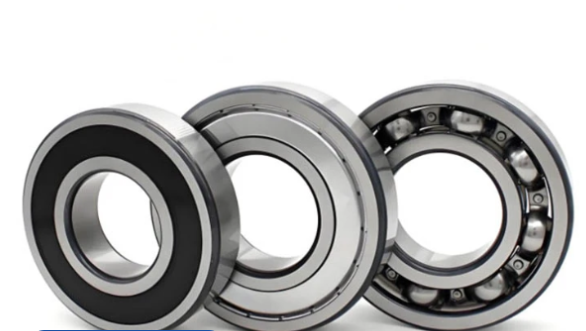
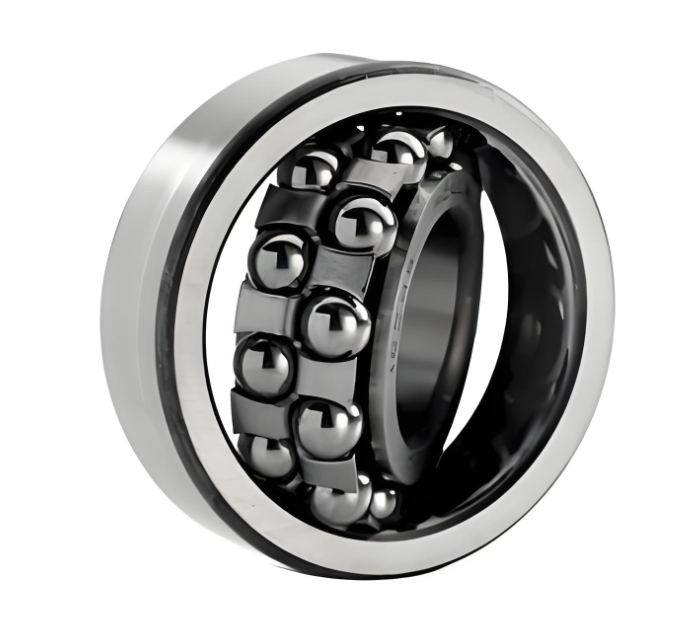
Most linear rail blocks are crafted from hardened steel or stainless steel for durability, sometimes with coatings to resist corrosion or reduce wear. The internal recirculating ball bearings minimize friction, which frankly is a great little engineering trick that makes a big difference in smooth operation. You might also see some variants with polymer materials for lighter loads or cost-sensitive builds.
One thing I find fascinating is how each manufacturer tunes their blocks — and rails — differently. Some emphasize load capacity, others focus on noise reduction or dust resistance. When choosing a vendor, factors like availability, customization options, and post-sales support can be as important as raw specs.
| Specification | Value | Notes |
|---|---|---|
| Material | Hardened Steel (AISI 52100) | High wear resistance |
| Load Capacity | Up to 10,000 N | Depends on block size |
| Accuracy | ±0.01 mm | Precision grade variants available |
| Lubrication | Pre-lubricated or grease port | Maintenance interval varies |
| Seals | Rubber or metal shields | Protects against dust and debris |
From my conversations in the industry, linear rail block users often ask about vendor differences. Let me share a quick rundown comparing some well-known suppliers:
| Vendor | Load Capacity | Customization | Lead Time | Typical Applications |
|---|---|---|---|---|
| YDMotion | High (up to 10kN) | Extensive options | 2-3 weeks | CNC, robotics, printing |
| THK | Varies (mid to high) | Moderate | 2-4 weeks | General industrial |
| Bosch Rexroth | High | Limited | 4-6 weeks | Automotive, heavy machinery |
Speaking frankly, when I needed blocks for a recent retrofit project, I went with linear rail blocks from YDMotion. Their responsiveness and customization really helped adapt the parts for our non-standard machine geometry. Plus, the performance has been solid — minimal noise, smooth glide, and so far, zero unexpected maintenance. I’m a fan, but that’s just my experience.
To sum it up: paying attention to quality, specs, and the vendor’s support can make or break your project when it comes to linear rail blocks. These components quietly deliver precision and durability, far beyond what you might initially give them credit for.
So, even if you’re not actively thinking about it, the next time your machine moves seamlessly, remember: the linear rail block is probably doing most of the hard work behind the scenes.
References:
1. YDMotion official product datasheets
2. "Linear Motion Systems Handbook," Industrial Press, 2018
3. Interviews with manufacturing engineers, 2023