Why a Linear Motor Guide is a Game-Changer in Industrial Automation
Having spent a good chunk of my career around industrial equipment, I've come across many motion technologies, but few things have been as quietly transformative as the linear motor guide. These devices seamlessly merge precision, speed, and low maintenance, and honestly, once you get used to how clean and responsive they operate, it’s hard to want to go back.
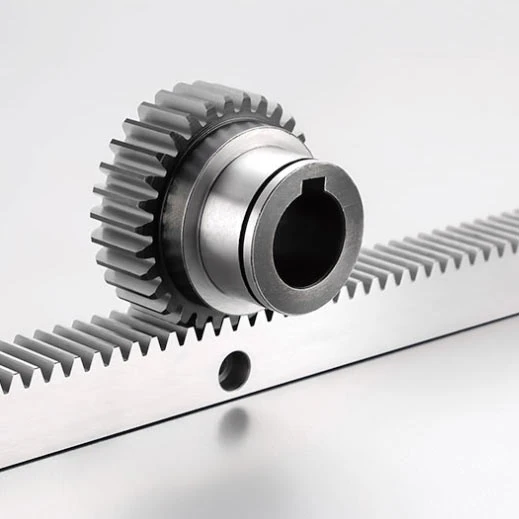
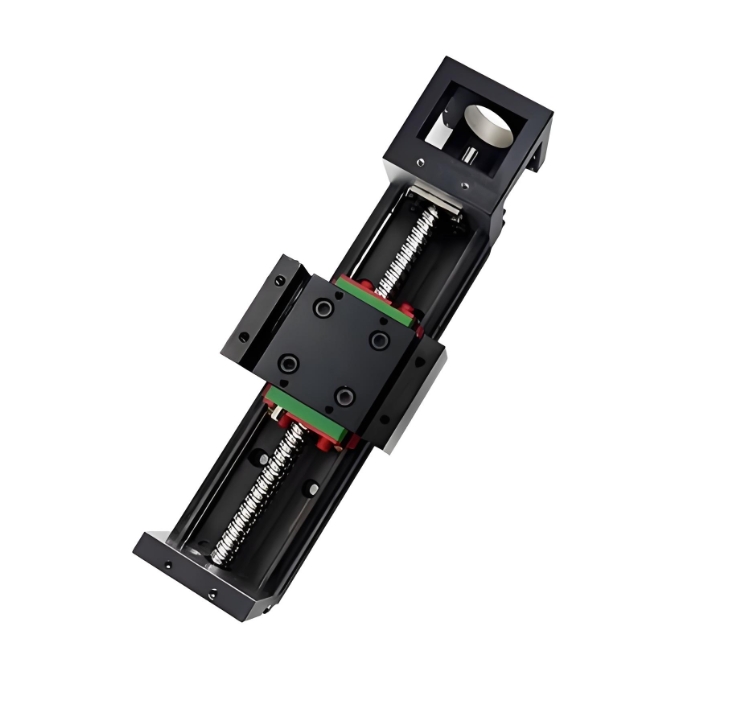
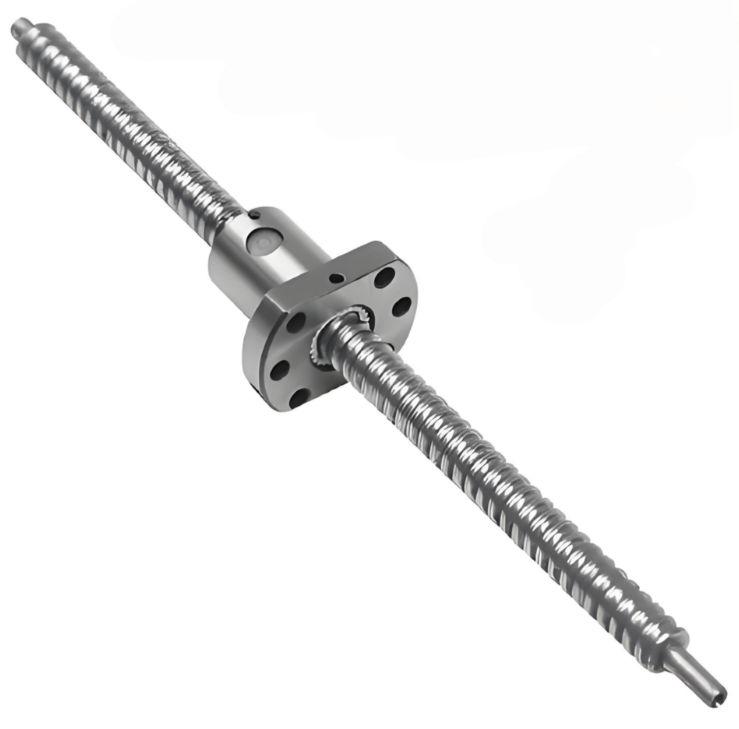
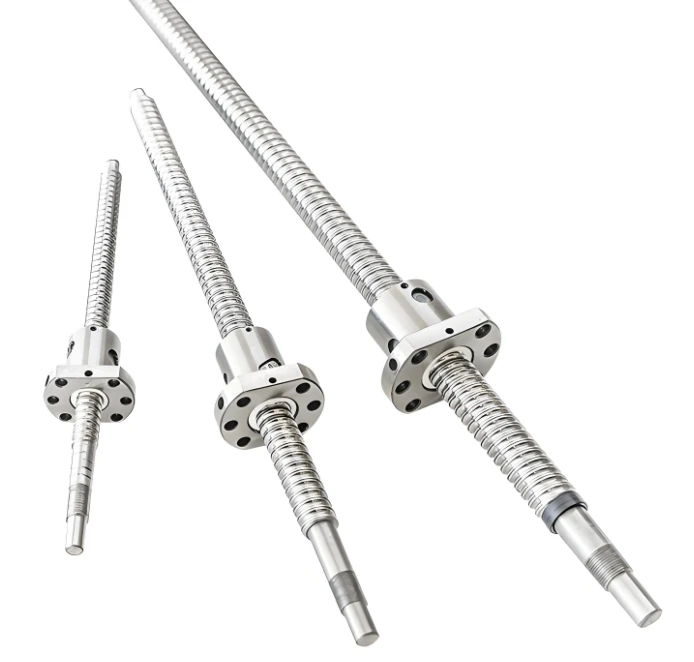
To set the stage, linear motor guides are a type of linear motion system powered by magnetic fields, effectively turning electrical energy into direct straight-line motion. This contrasts with conventional ball screws or rack and pinion setups, which, while tried and true, introduce mechanical friction and wear points. I recall working on a production line where ball screw maintenance was a weekly headache, and switching to a linear motor drastically reduced downtime – talk about a relief.
One thing that often surprises newcomers is how the guide’s design eliminates the need for physical contact between moving parts. That means less wear and tear, which translates into longer life and fewer interruptions. Materials-wise, the stator and moving coil components are designed with precision-engineered alloys and use advanced coatings to resist corrosion and reduce electromagnetic interference. It’s a perfect marriage of materials science and electrical engineering.
What I’ve noticed too is that many engineers were initially skeptical about trusting these systems when it came to heavy industrial environments, but documentation and real-world experience quickly proved the contrary. The vibration dampening and smoothness they bring actually improve the entire machine’s accuracy and longevity.
And then there is the customization factor. Depending on your application—be it semiconductor manufacturing, packaging, or automated assembly—linear motor guides can be tailored in length, thrust capacity, and even feedback systems to match ultra-specific needs. I remember advising a client last year who needed ultra-fast positioning for a robotic arm; the adaptability of the guide system was a perfect fit.
| Parameter | Value |
|---|---|
| Maximum Stroke Length | Up to 2000 mm |
| Thrust Force | 50 to 300 N |
| Repeatability | ±3 µm |
| Max Speed | Up to 5 m/s |
| Operating Temperature | 0°C to 60°C |
| Ingress Protection | IP54 standard |
Now, when you're shopping around, it’s not all the same. Choosing the right supplier is crucial. I’ve put together a quick comparison of some key players I’ve encountered, to make that decision a bit easier. It's oddly satisfying to see the specs laid side by side.
| Vendor | Customization | Lead Time | Warranty | Support & Service |
|---|---|---|---|---|
| YDMotion | High (sizes & feedback options) | 4-6 weeks | 2 years | Excellent (24/7 support) |
| Vendor B | Medium | 6-8 weeks | 1 year | Good (business hours only) |
| Vendor C | Low | 8-10 weeks | 9 months | Limited |
To wrap up, the linear motor guide stands out not just for its specs or tech but for how it feels in a real application. It’s smooth, reliable, and frankly, a little bit elegant. For anyone serious about automation or high-precision tasks, this is a component worth investing time to understand and test.
References:
1. Industry Motion Technology Journal, 2022.
2. Manufacturer datasheets, 2023.
3. Personal field experience, 2018-2024.