-
Dustproof Designv
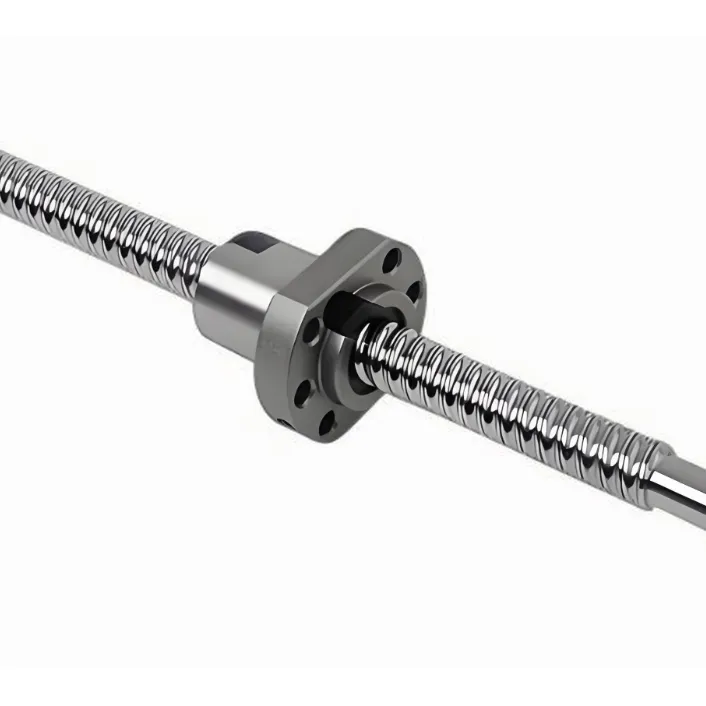
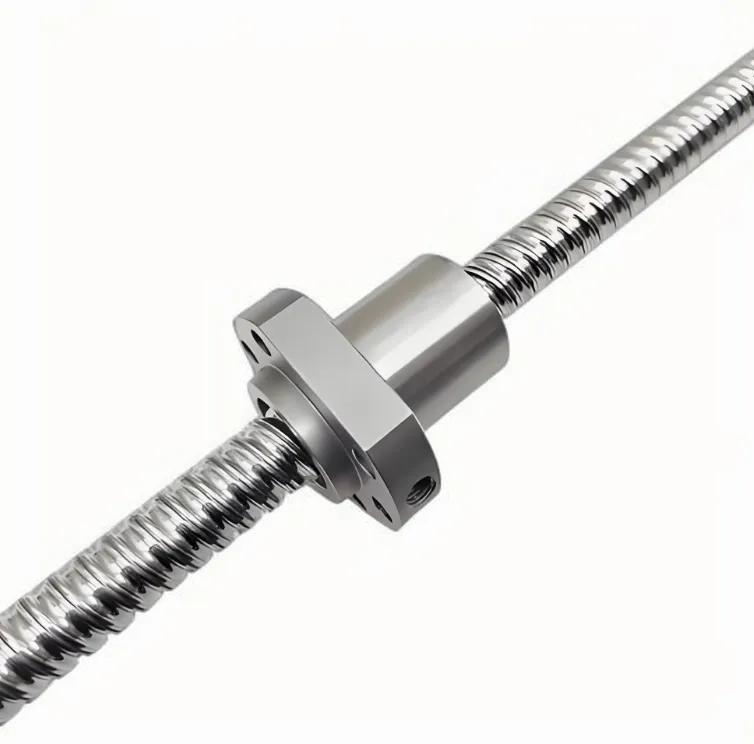
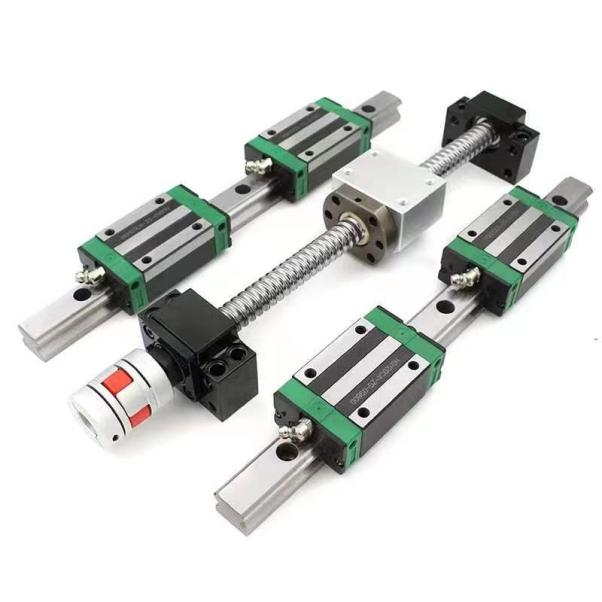
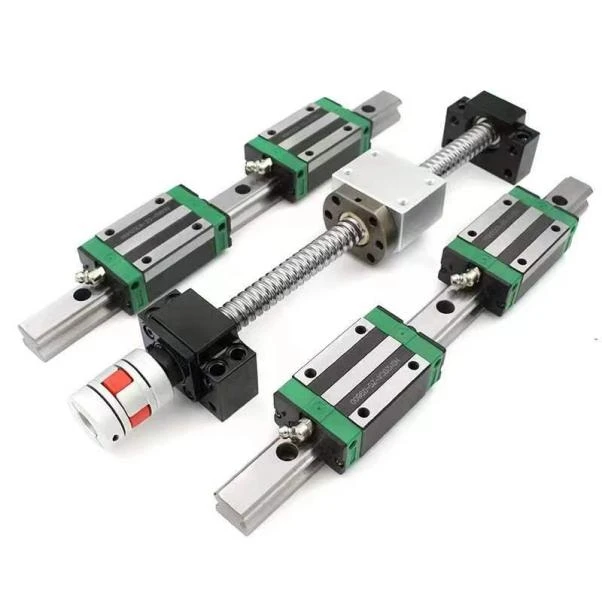
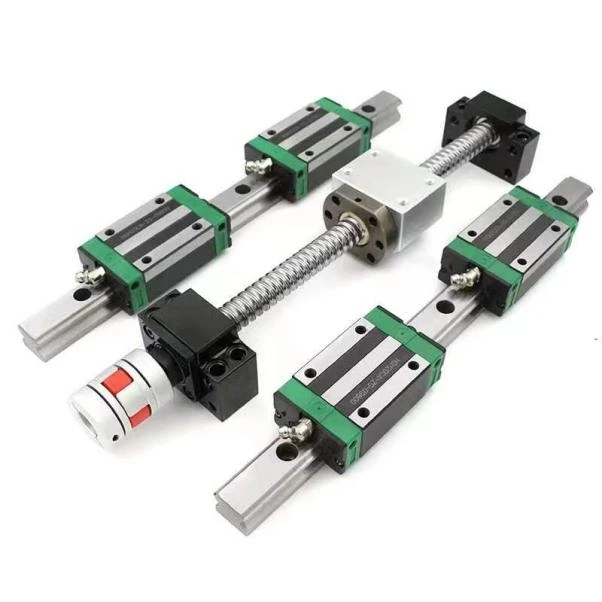
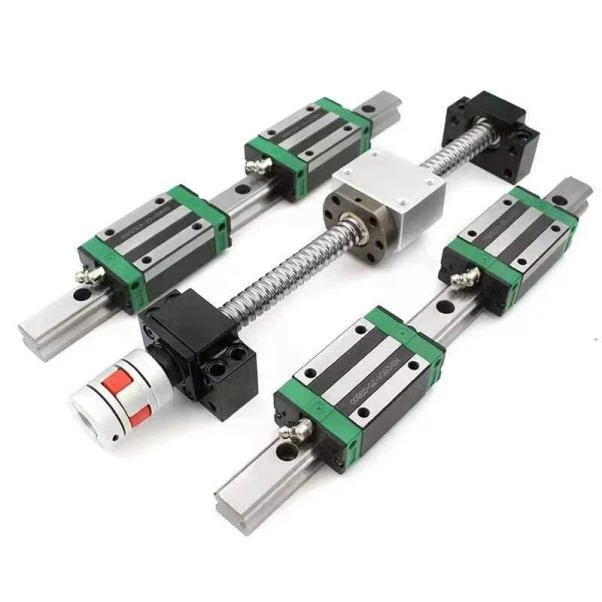
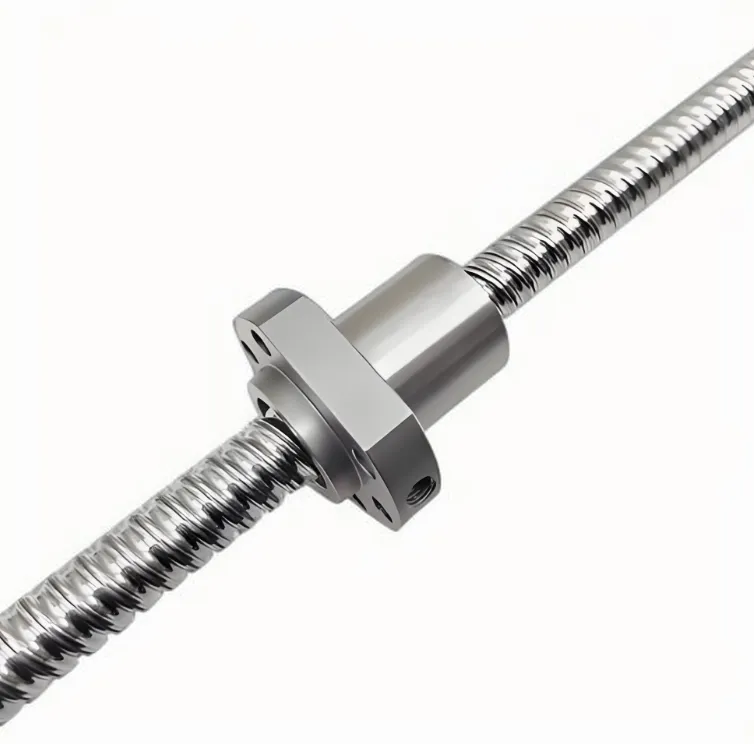
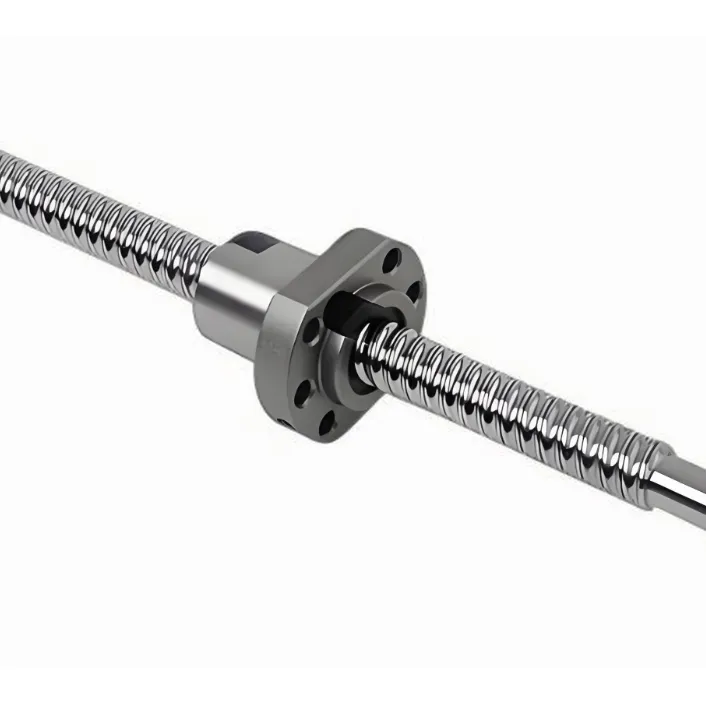
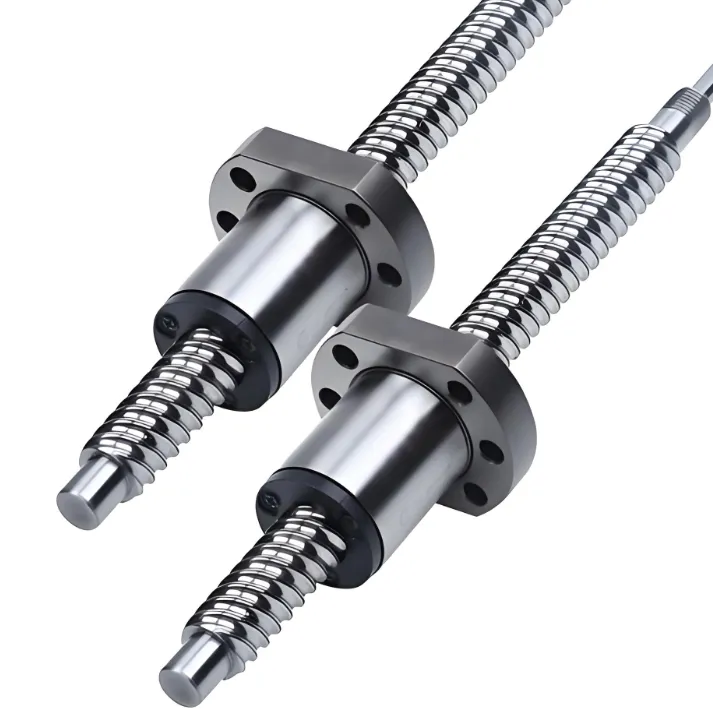
Adopting a special dust-proof structure, it can effectively isolate dust and pollutants, protect the screw and ball, extend the service life and improve reliability.
Low noise
By optimizing the nut design and special groove type spacer ring, the operating noise is significantly reduced, making it suitable for scenarios with high requirements for quietness.
High precision and high rigidity
Accurate and stable transmission, high positioning accuracy, and excellent rigidity can cope with heavy loads and torque challenges, ensuring the accuracy of mechanical equipment operation.
End cap cyclic design
Adopting an end cap circulation structure, it improves the smoothness of high-speed operation, reduces steel ball collisions, and lowers operating noise.
-
Product Application
Industrial automation: CNC machine tool feed system, mechanical arm joint drive
Precision manufacturing: semiconductor equipment, optical instruments, 3D printing platforms
Specialized machinery: printing machines, textile machinery, and handling equipment
Livelihood field: medical equipment, high-end office automation tools
-
Product Detail
-
-
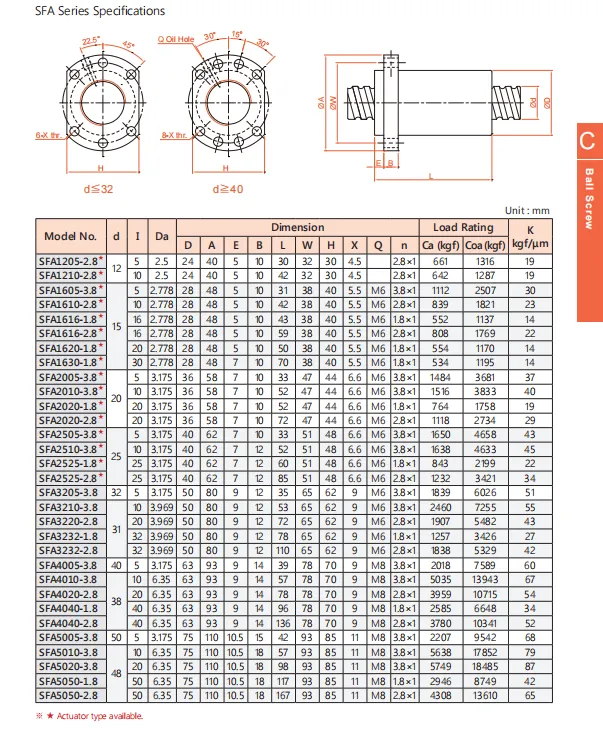
Product Parameters
-
How to Choose Between C7 and C5 Accuracy Grades for SFA Ball Screws
Selecting the right accuracy grade is one of the most important decisions when choosing an SFA ball screw for any linear motion system. The SFA series, including popular models such as SFA2020 and SFA3210, is widely used in CNC machinery, automation equipment, 3D printing, and high-precision positioning systems. When comparing C7 and C5 accuracy grades, engineers must understand the differences in manufacturing methods, lead accuracy, performance stability, and cost considerations. These factors directly impact the machine’s precision, repeatability, and operational efficiency.
Accuracy Grade Differences
The fundamental distinction between C7 and C5 ball screws lies in the manufacturing process. C7 ball screws are generally rolled, which means the screw shaft is formed by a thread-rolling process. This method is cost-effective and ideal for applications that do not require extremely tight tolerances. The typical lead accuracy for C7 screws is approximately ±0.05 mm over 300 mm. In contrast, C5 ball screws are precision-ground, allowing much tighter control over the lead accuracy—often reaching ±0.018 mm over 300 mm. This makes C5 screws well-suited for high-precision or heavy-duty machinery.Repeatability and Performance
C5 ball screws offer superior repeatability, smoother motion, and less vibration during operation. Systems requiring accurate positioning—such as high-speed CNC routers, precision milling machines, laser cutters, and robotic arms—benefit greatly from the enhanced performance of C5 screws. Meanwhile, C7 ball screws deliver good performance for standard automation systems, woodworking equipment, feeders, and general linear actuators where extreme precision is not required.Load Capacity and Durability
Both C7 and C5 SFA ball screws, including models like SFA2020 and SFA3210, provide excellent load-bearing capabilities due to their structural design and hardened steel construction. However, C5 ball screws tend to have slightly better durability under continuous high-precision operations because of tighter tolerances and smoother rolling contact. This reduces localized wear, improves efficiency, and extends service life in demanding environments.Cost and Budget Considerations
Cost is another major factor when selecting between C5 and C7 ball screws. C5 ball screws are typically more expensive due to grinding processes, strict quality control, and higher manufacturing precision. C7 screws offer a more cost-effective solution for medium-precision applications. For users looking for a balance between performance and budget, C7 ball screws provide an excellent value.Choosing the Right Accuracy Grade
When deciding between C5 and C7 accuracy grades for your SFA ball screw system, consider the following:Required positioning accuracy (µm-level or standard precision)
Application type (CNC machining vs. general automation)
Motion speed and vibration requirements
Budget limitations
Expected service life and duty cycle
In short, C5 ball screws are ideal for high-precision machinery, while C7 ball screws are suitable for cost-efficient automation solutions. Understanding your application needs will ensure optimal machine performance and long-term reliability.
-
Applications of 1000mm Linear Motion Ball Screws in Industrial Automation
A 1000mm linear motion ball screw is a versatile and essential component in modern industrial automation. Whether integrated into CNC machinery, robotics, packaging equipment, or automated production lines, ball screws provide smooth motion, high efficiency, and precise control for linear displacement. Models like SFA2020 and SFA3210 are widely used because their long travel length, high load capacity, and excellent accuracy make them suitable for demanding environments. The 1000mm length allows for significant stroke range, enabling flexible design in a variety of automation systems.
CNC Machinery and Precision Equipment
One of the most common applications of 1000mm linear motion ball screws is in CNC machines, including routers, lathes, milling machines, laser cutters, and plasma cutters. The long travel distance allows CNC machines to operate with large workpieces while maintaining precise motion control. Ball screws ensure minimal backlash, smooth feed motion, and reliable positioning, which are essential for machining accuracy. C5 and C7 accuracy grades provide flexibility for different precision requirements, making the SFA series a suitable choice for both professional and industrial CNC equipment.Robotic Arms and Automation Robotics
In industrial robotics, precision linear motion is critical for tasks such as pick-and-place operations, material handling, and automated assembly. A 1000mm ball screw offers the necessary travel range to support multi-axis robotic designs. The high efficiency of ball screws—often reaching 90% or more—ensures rapid acceleration, consistent movement, and exceptional repeatability. Their robust construction provides reliable performance even in continuous operation environments found in manufacturing plants.Packaging and Conveyor Systems
Linear motion ball screws also play an important role in packaging machinery, including sealing, cutting, sorting, and labeling systems. The 1000mm travel stroke makes them ideal for applications requiring extended movement while maintaining consistent motion accuracy. Compared to pneumatic systems, ball screws provide smoother operation and higher repeatability, which is especially valuable in high-speed packaging lines.Automated Production Lines
In automated factories and smart manufacturing, long-travel ball screws are widely used in positioning modules, lifting mechanisms, gantry systems, and material transfer units. Their ability to deliver accurate linear motion ensures synchronized operations across the production line. The strong load capacity of models like SFA3210 supports heavy tooling, fixtures, and production components. Meanwhile, SFA2020 offers a balance between speed and precision, making it suitable for lightweight automation tasks.3D Printers, Laser Engravers, and Inspection Systems
For large-format 3D printers or laser engravers, a 1000mm ball screw provides the necessary stroke for building wide print beds or engraving large materials. The reduced backlash and high stiffness ensure layer consistency and precise beam control. In inspection and testing machines, ball screws are used for scanning, measuring, and automatic positioning, ensuring accurate and repeatable results.Summary
In industrial automation, the 1000mm linear motion ball screw is a highly adaptable component that delivers precision, efficiency, and reliability. From CNC machines and robotics to packaging and automated assembly, its application scope continues to expand as industries demand higher accuracy and faster performance. Selecting the right model, such as SFA2020 or SFA3210, ensures optimal performance for a wide range of industrial systems. -
What is the average lead time?
Request a Quote
If you are interested in our products, you can choose to leave your information here, and we will be in touch with you shortly.