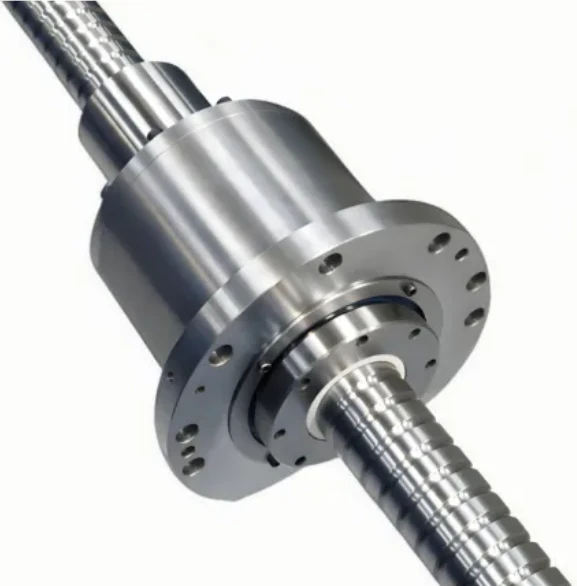
Understanding linear rail ball bearings in Industrial Applications
When I first stepped into the world of industrial machinery, one thing quickly became clear: smooth, precise linear motion isn't just a luxury—it's a necessity. Linear rail ball bearings were an eye-opener. They deliver the low-friction, high-accuracy movement that complex equipment demands. Over the years, I’ve seen them transform from just another component into the unsung hero of many systems.
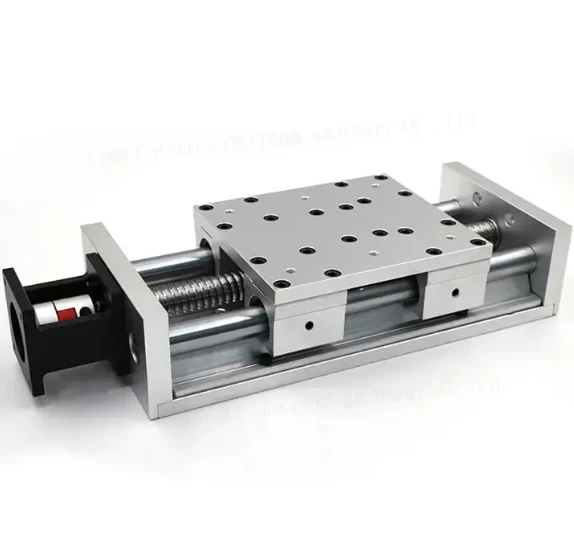
Now, you might wonder what sets these rails apart from other linear guides. Frankly, it’s all about the design and the materials. Typically, the rail and carriage use hardened steel with precisely engineered ball mats that recirculate under load. This setup ensures incredibly smooth motion while resisting deformation—which is crucial when machines operate under heavy or frequent cycles.
And it’s not just about sliding efficiency. The whole assembly undergoes rigorous testing to meet industry standards—things like dynamic load rating and moment load resistance. In real terms, this means your equipment runs longer and maintenance intervals widen, saving downtime and repair costs.
| Specification | Details |
|---|---|
| Rail Length | Up to 3,000 mm (customizable) |
| Load Capacity | Up to 20,000 N dynamic |
| Material | Hardened Steel (AISI 52100) |
| Ball Circulation | Closed recirculating stainless-steel balls |
| Accuracy Grade | P0 to P5 (custom specs available) |
| Operating Temperature | -20°C to +100°C |
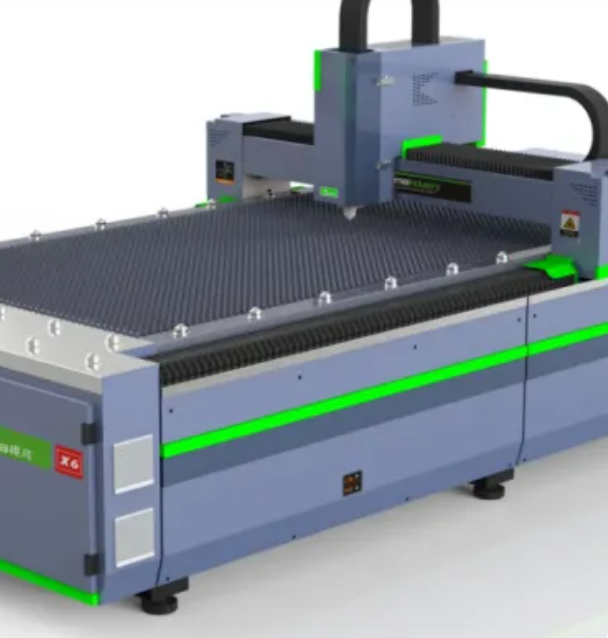
I recall a project where the end customer was retrofitting a CNC milling machine to meet tighter tolerance requirements. They opted for rails with a P0 accuracy grade from a trusted supplier, and the improvement was noticeable immediately. The thing is, many engineers underestimate the importance of picking the right linear rail ball bearings vendor. Supplier expertise can make or break your application’s performance.
| Vendor | Accuracy Levels | Customization | Typical Lead Time | Price Range |
|---|---|---|---|---|
| YDMotion | P0–P5 | High (length, preload, seals) | 2–4 weeks | Competitive |
| Competitor A | P3–P6 | Moderate | 3–5 weeks | Moderate |
| Competitor B | P5 only | Low (standard offerings) | 1–3 weeks | Budget-friendly |
Customization options really matter, too. For instance, having control over preload settings can tweak stiffness and running noise, which some manufacturers, including those at YDMotion, offer extensively. This kind of flexibility is a game changer for high-performance machines that can’t afford the slightest backlash.
Oddly enough, in quieter plants or labs, the sound rating of these bearings comes up more than you’d expect. It’s a small detail, but those recirculating balls whisper rather than rattle, and for some users, that really matters.
Over time, I've seen usage expand beyond traditional machines — from medical imaging devices to automated assembly lines. It feels like the market keeps demanding more precision and reliability, and these linear rails fit the bill better than most alternatives.
So, if you’re sourcing components for your next project, consider the whole picture: accuracy, load capacity, customization, and of course trustworthiness of your supplier. Those factors together determine not just how well your equipment functions today, but how reliably it’ll perform years down the line.
In closing, no matter if you’re designing a brand-new robot or upgrading an old machine, choosing the right linear rail ball bearing is a quiet investment in long-term precision. And frankly, the folks at YDMotion make it easier than you might expect.
Takeaway: The right linear rail ball bearing not only keeps things moving smoothly but also saves you headaches (and money) over the long haul.
- ISO 14728-1: Rolling bearings – Linear motion rolling bearings – Part 1: Terms, definitions and symbols.
- Industry case studies on CNC retrofits, YDMotion whitepapers.
- Material durability and load rating standards per ASTM and ISO guidelines.