Understanding Linear Motion Slide Rails: A Veteran’s Perspective
Having spent over a decade knee-deep in the industrial equipment sector, I've seen a lot of components — some flashy, many reliable—but few as quietly essential as linear motion slide rails. They might not grab headlines, but trust me, their role in precision and smooth mechanical operation is foundational.
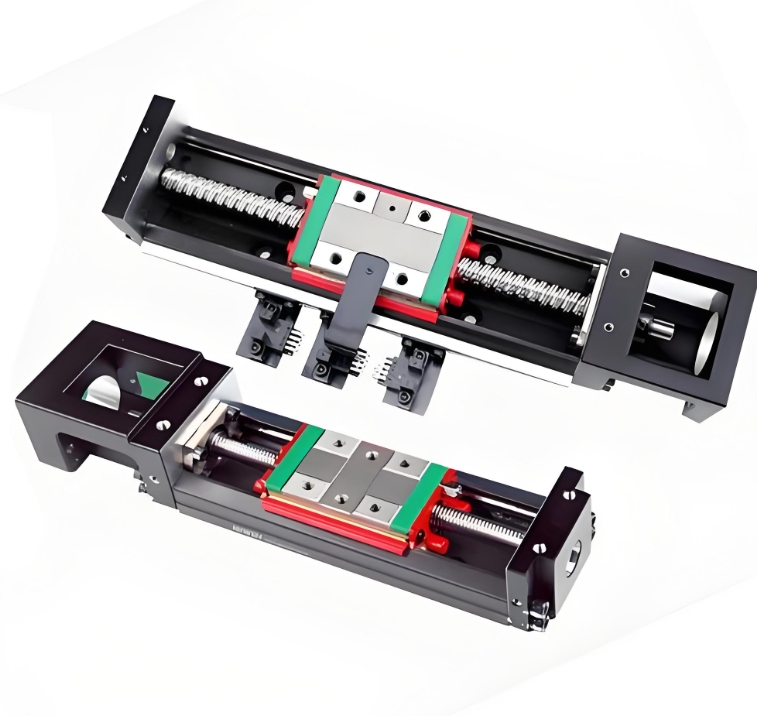
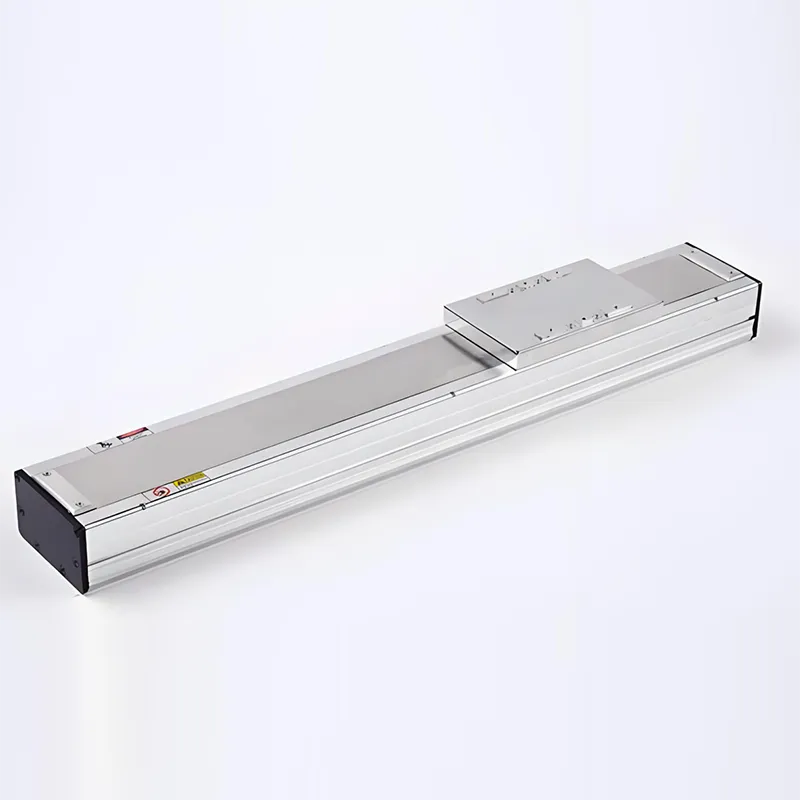
Let’s unpack what makes these rails tick, why designers obsess over their specs, and how choosing the right vendor can make or break your project. I suppose it’s fair to start with the basics: linear motion slide rails guide a moving part in a straight path—kind of like train tracks for your machinery’s moving elements.
Over the years, what’s struck me is the delicate balance of engineering that goes into them. Materials, for example, are a major factor. Most slide rails use a high-quality steel or stainless steel. This ensures rigidity and resistance to wear, but oddly enough, the surface finishing—often ground or chrome-plated—can be even more critical to long-term performance. It feels like there's a lot of art in that precision finishing, which many engineers say directly influences friction and lifespan.
Then, there’s the design varieties. Most rails come with ball bearings inside, rolling along grooves for smooth motion. But depending on use—heavy loads, dust exposure, or speed—you might need specialized variants. For example, sealed rails protect against contaminants, which is a must-have in food processing or dusty environments.
Quality testing is another aspect worth mentioning. Toughness, load capacity, and repeatability tests are usually standard, but what I noticed recently is the push for higher precision classes—V-level grades that guarantee minimal play and exceptional smoothness. That’s the kind of accuracy manufacturers demand in semiconductor or medical device assembly lines.
By way of experience, one customer story stands out. A partner in automotive manufacturing once came to me frustrated with underperforming rails causing jitter in robotic welders. Switching to a higher spec linear motion slide rail drastically reduced downtime. Frankly, it was one of those moments where the right component choice made a visible difference, not just on paper.
Product Specifications of a Typical Linear Motion Slide Rail
| Specification | Details |
|---|---|
| Material | High carbon steel / Stainless steel |
| Load Capacity | Up to 10,000 N |
| Travel Length | 50 mm to 2000 mm |
| Precision Grade | Normal, High, and V-Level Accuracy |
| Sealing Options | Standard, Sealed, Stainless Sealed |
| Operating Temperature | -20°C to +80°C |
Vendor Comparison: What to Look for When Selecting a Supplier
| Feature | Vendor A | Vendor B | YDMotion |
|---|---|---|---|
| Range of Sizes | Wide | Moderate | Extensive (50–2000 mm travel) |
| Customization Options | Limited | Moderate | High (material, sealing, precision grades) |
| Lead Time | 3–5 weeks | 2–4 weeks | 1–3 weeks |
| Quality Certification | ISO 9001 | TUV Certified | ISO 9001 & CE Certified |
| After-Sales Support | Basic | Moderate | Comprehensive, 24/7 |
In real terms, getting your choice of linear motion slide rails right isn’t just about picking from a catalog. It’s a blend of understanding your load conditions, environmental challenges, and yes, the supplier’s flexibility and reliability. Personally, I’ve always leaned toward vendors who offer strong after-sales support and short lead times—because when production bottlenecks hit, that responsiveness counts.
To wrap this up: these small steel rails carry heavy weights—both literally in tons and figuratively in operational importance. Skimping on them feels like a gamble with your system’s precision and uptime. So if you’re in that space, exploring options like those offered on linear motion slide rails is well worth the time.
That’s my two cents from the trenches. Hopefully, it helps you navigate your next equipment upgrade or design.
References
- Industry standards for linear motion components, ISO 12090-1
- “Design and Application of Linear Guideways,” Mechanical Engineering Journal, 2021
- YDMotion Product Catalog and Technical Datasheets