Understanding Linear Motion Rolling Guides: A Veteran’s Perspective
Having spent a good portion of my career in the industrial equipment sector, I’ve seen the importance of smooth, reliable linear motion firsthand. Specifically, linear motion rolling guides have become foundational in modern automation and machining. They might not grab headlines like robots or AI, but having worked around these units for years, I can tell you they’re like the unsung heroes of precision movement.
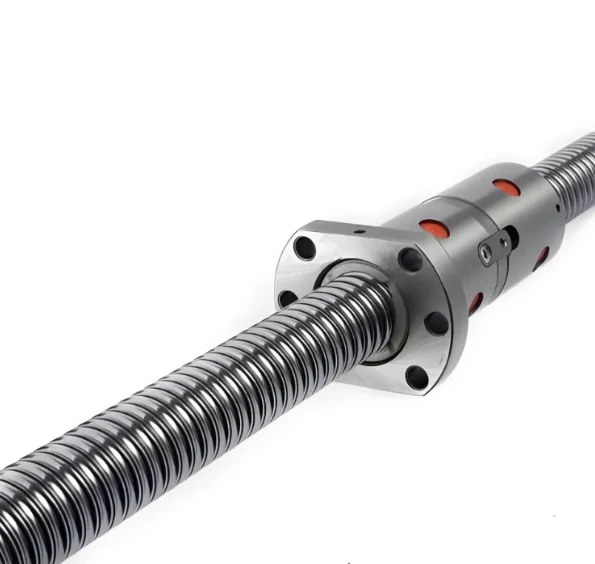
Frankly, the trick with rolling guides lies in their design and choice of materials. Unlike plain slides that rely on sliding friction, rolling guides use recirculating balls or rollers to reduce that resistance drastically. This makes them supremely accurate and efficient—and frankly, that’s a game changer in industries where microns matter.
I suppose the rise in automation and CNC machining over the past decade has put even more pressure on these components. They have to sustain higher loads, move faster, and offer greater repeatability. It’s not just about the product specs on paper—real-world testing matters too, often under harsh conditions including dust, coolant exposure, and continuous operation.
| Specification | Typical Value | Notes |
|---|---|---|
| Load Capacity (Dynamic) | Up to 50 kN | Varies by size & design |
| Travel Speed | Up to 5 m/s | Depends on lubrication & accuracy class |
| Repeatability | ±0.01 mm | Critical for machining & measuring |
| Operating Temperature | -20°C to 80°C | Standard seals included |
| Material | Hardened steel & stainless steel | Corrosion resistance sometimes added |
Oddly enough, customization seems to be the silent star here. Many vendors offer tailored solutions based on load, environment, and precision needs. I remember a project a few years back, working with a manufacturer who needed linear guides that could withstand frequent exposure to salty air—something not usually found in factory floors. We ended up specifying stainless steel rolling guides with enhanced sealing. They worked beautifully for over five years with barely any maintenance. That kind of reliability can absolutely make or break production schedules.
When comparing vendors, it’s worth considering not just specs, but service and testing standards. Here’s a quick comparison of three popular linear motion rolling guide suppliers that I’ve interacted with:
| Vendor | Load Capacity | Customization Options | Testing & Certification | Typical Lead Time |
|---|---|---|---|---|
| YDMotion | Up to 50 kN | Highly customizable | ISO certified, extensive testing | 2–4 weeks |
| Brand A | Up to 40 kN | Moderate customization | Standard testing, CE certified | 4–6 weeks |
| Brand B | Up to 45 kN | Limited customization | Basic testing | 3–5 weeks |
I noticed among these, YDMotion tends to stand out for the level of detail they apply to product testing — which, frankly, is a relief when you’re putting equipment through real stress.
In real terms, choosing the right linear motion rolling guide involves balancing performance, cost, and reliability—and you kind of need to have a good relationship with your vendor, because unexpected challenges pop up. To me, the combination of high load capacity, excellent repeatability, and adaptable customization make rolling guides an indispensable component in today’s machine designs.
Whether you’re upgrading a CNC spindle table or designing a complex automation line, it’s worth keeping these nuances in mind. As many engineers say, the devil truly is in the details—and if you skim on something as fundamental as smooth linear motion, it’ll show up in quality issues down the line.
So yeah, I suppose my advice from years of experience is: don’t underestimate the humble rolling guide. They’re small, sure—but their impact is anything but.
- Industry Handbook on Linear Motion Systems, 2020 Edition
- Technical Materials from YDMotion Product Catalog, 2023
- “Precision in Motion: A Guide to Linear Bearings,” Mechanical Engineering Journal, 2021