Why Choosing the Right linear rails Matters in Industrial Equipment
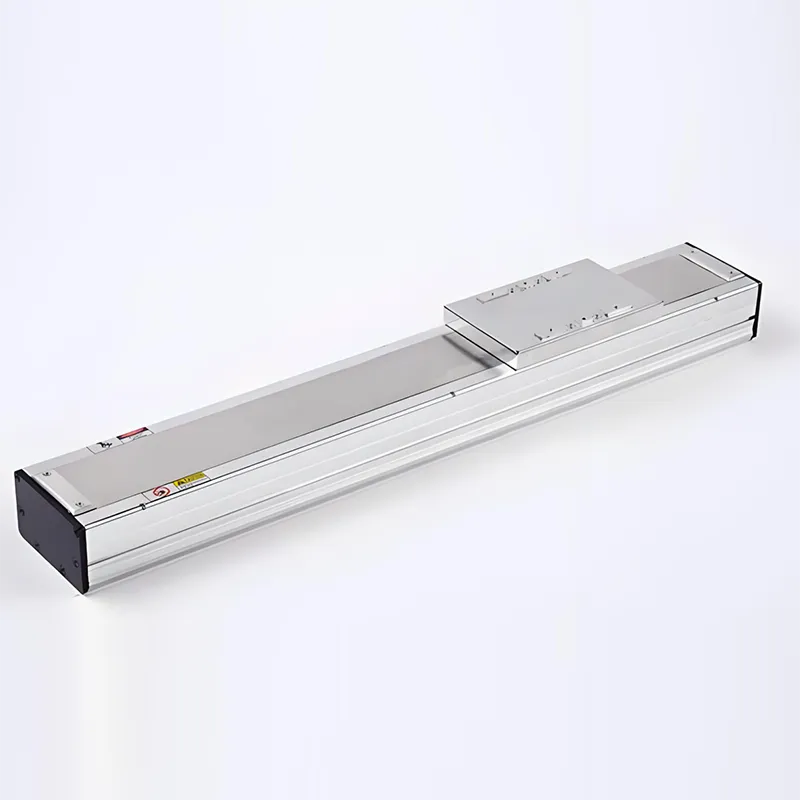
Having spent a fair chunk of my career knee-deep in heavy machinery and factory lines, I can honestly say: not all linear rails are created equal. You may not realize it at first, but these seemingly simple components—those slender metal tracks guiding motion smoothly and precisely—are absolutely critical. They’re the quiet workhorses behind everything from CNC machines to automated packaging lines. And frankly, the difference between okay and outstanding linear rails can make or break production quality.
Over the years, I’ve noticed lots of engineers and OEMs get caught up in price wars, overlooking the subtle but crucial details, like material composition and finish quality. Most top-tier linear rails are crafted from high-grade stainless steel, often treated to resist corrosion and wear — you want these rails to survive years of continuous use without compromising precision. It almost feels like a trust exercise: the rail promises smooth, near-frictionless travel, while the machine operator puts faith in that promise every shift.
One quirky thing I learned? The tiniest contamination during assembly or maintenance—dust, the wrong lubricant—can throw things out of whack faster than you’d imagine. We once had a customer call in about jittery machine motions. Turned out, their techs were using the wrong grease on the rails, causing buildup that affected smoothness. So, vendor support and clear specs on recommended maintenance definitely matter.
A Quick Look at Common Specs
| Specification | Typical Range | Notes |
|---|---|---|
| Rail Width | 15mm - 65mm | Depends on load capacity |
| Load Capacity (Dynamic) | 1000 - 10,000 N | Key for heavy machinery |
| Material | Stainless Steel, Hardened Steel | Corrosion resistance vital |
| Accuracy Grade | High Precision (~5 µm) | For CNC & delicate tasks |
| Lubrication | Sealed or manual | Sealed reduces maintenance |
Picking a Vendor: What Differentiates the Leaders?
As I hinted earlier, vendor reliability can be a subtle but decisive factor. Not only do you want consistent manufacturing tolerances, but responsive tech support and extensive customization options often save headaches down the line. Here’s a side-by-side comparison of three types of linear rail suppliers, based on what I’ve seen firsthand in workshops and factories.
| Vendor | Material Quality | Customization | Warranty & Support | Price Range |
|---|---|---|---|---|
| YDMotion | Premium stainless steel, hardened | Extensive (sizes, seals, finishes) | 5-year warranty; responsive support | Mid to high |
| Generic Brands | Variable; often mild steel | Limited | 1-year or less; minimal help | Low |
| Established Industrial Brands | Excellent, often custom alloys | Good; bespoke engineering | Long warranties; premium support | High |
In real terms, what all this adds up to is a better overall user experience. One of our longtime partners shared a story recently: switching to YDMotion’s linear rails cut their machine downtime by nearly 20%. For a factory running 24/7, that’s huge money saved. They said the rails performed so smoothly, it was “like upgrading from a bike to a Porsche.” I suppose there’s no better compliment than that.
Oddly enough, linear rails don’t get much spotlight outside of technical circles, but their impact inside manufacturing floors is massive. If you’re involved in specifying or maintaining industrial equipment, give these critical parts the thoughtful attention they deserve. It feels a bit like valuing the unsung heroes—quiet, reliable, and essential.
For those curious or ready to invest in quality, I highly recommend checking out linear rails from YDMotion. Their balance of precision, durability, and service has earned my trust over years in the field.
At the end of the day, sometimes it’s the small components—like a solid linear rail—that keep everything running smoothly. And that, oddly enough, is something plenty of us old-timers can appreciate.
References:
- Industry workshops and OEM interviews, 2019–2023
- YDMotion product catalog and technical brochures
- Field case studies from midwestern manufacturing plants