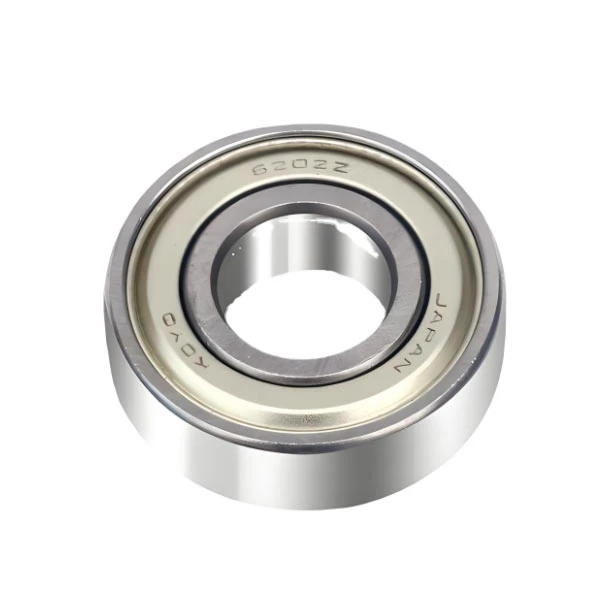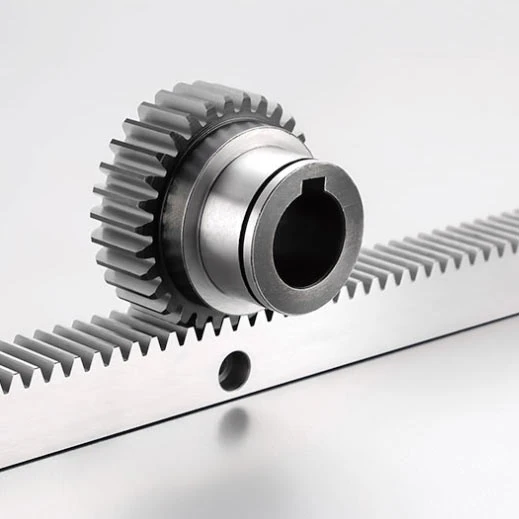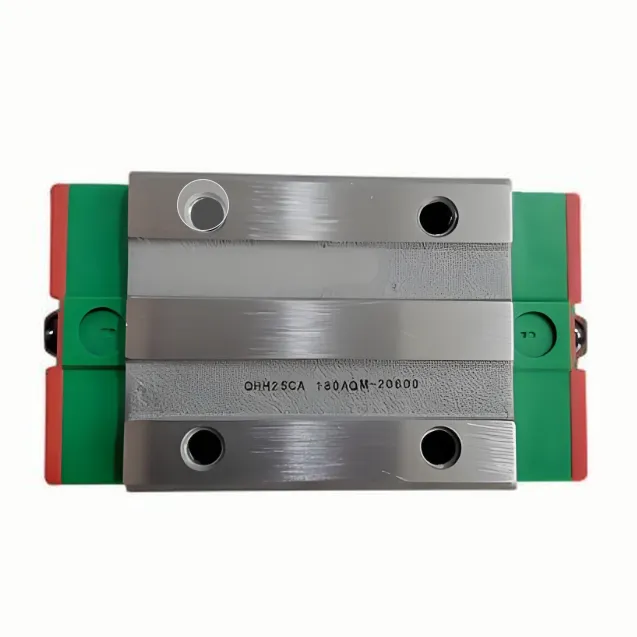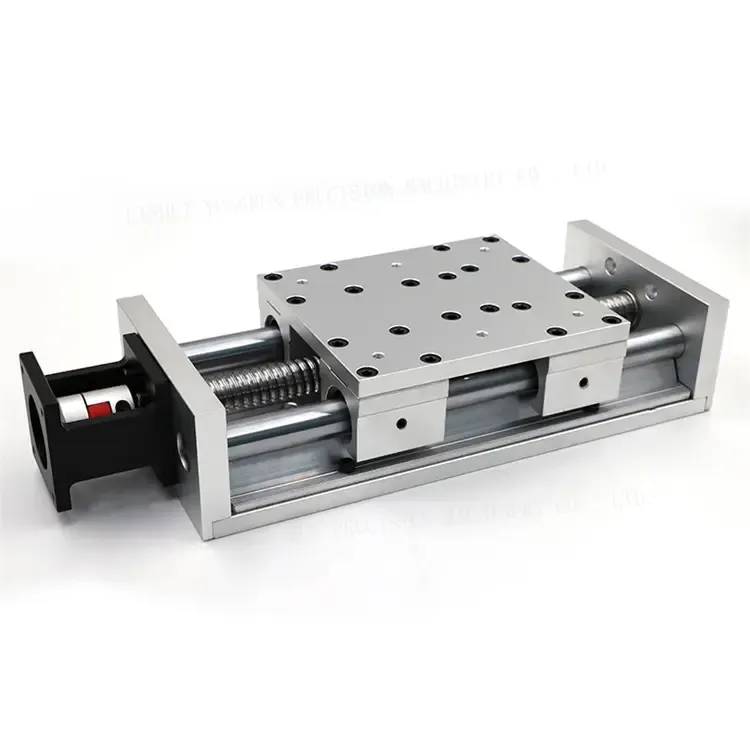
Linear Motion Rails are truly a cornerstone in modern industrial design — you see them quietly enabling precision and smooth operation in everything from factory automation to semiconductor equipment. This article explores how YDMotion supports professionals with durable, high-performance products, and explains why this solution is an ideal choice for businesses looking to marry reliability with cost-effectiveness.
Table of Contents
- Linear Motion Rails Overview
- Benefits & Use Cases of Linear Motion Rails
- Cost, Maintenance & User Experience
- Sustainability & Market Trends
- Frequently Asked Questions about Linear Motion Rails
- Conclusion on Linear Motion Rails from China
Linear Motion Rails Overview
At its core, a linear motion rail is a mechanical component that provides a guided path for linear movement with high precision and low friction. Imagine a machine where slides, carriages, or tools need to move smoothly in a straight line without wobbling or backlash — linear motion rails solve exactly that problem. YDMotion's rails particularly stand out because of their hardened steel construction and precision ground surfaces, which contribute to their reliability over thousands of operating cycles.
- Linear rails usually consist of a rail and a carriage or block that rolls along it, often with recirculating ball bearings or rollers.
- Technical specs from YDMotion show rails in a range of sizes with load capacities from a few hundred Newtons up to several thousand, catering to various industrial needs.
| Specification | YDMotion Linear Rail | Industry Typical |
|---|---|---|
| Rail Width | 15mm - 65mm | 10mm - 70mm |
| Maximum Load Capacity | Up to 15,000 N | Varies widely |
| Material | Hardened Alloy Steel | Steel or Aluminum |
| Precision Grade | ISO 6072: P0 (High Precision) | Varies, often lower grades |
Benefits & Use Cases of Linear Motion Rails
You’ll often find linear motion rails quietly powering CNC machines, packaging automation, robotics, and even medical devices. They offer a blend of smooth, precise motion and sturdy construction that’s critical when each millimeter counts. Oddly enough, many engineers swear by the stability a quality rail system provides — it almost feels like the machine gains a sort of “backbone.”
- In the automotive industry, linear rails improve assembly line efficiency and repeatability.
- Features such as corrosion resistance and sealed carriages mean they’re often deployed in challenging environments without sacrificing performance.
Cost, Maintenance & User Experience
When budgeting, linear motion rails may seem like a bigger upfront investment versus traditional guideways. Yet, their durability and reduced maintenance needs often tip the scales in their favor for ROI. Frankly, they can outlast alternative systems by years — less downtime, less troubleshooting. YDMotion customers often highlight how their installation ease and long service intervals have made production schedules smoother, with fewer headaches and surprises.
- Long-term cost savings stem largely from durability and minimal lubrication needs.
- Customer feedback notes consistent performance even in high-speed or high-load settings.
Sustainability & Market Trends
Sustainability isn’t just buzzword bingo anymore. Companies increasingly seek components that lower energy costs, extend machinery lifespan, and reduce waste. Linear motion rails from YDMotion often incorporate materials and coatings that resist corrosion and wear. Plus, as industrial automation expands worldwide, demand for precision, standardized rails — especially from established Chinese suppliers — is soaring. Industry regulations also push for cleaner, more efficient manufacturing methods, which linear systems support by enabling smoother, less wasteful operations.
- Regulatory pressures are driving adoption of components that minimize lubrication and material waste.
| Feature | YDMotion | Competitor A | Competitor B |
|---|---|---|---|
| Load Capacity (Max) | 15,000 N | 14,500 N | 13,000 N |
| Corrosion Resistance | High (Coated Rails) | Medium | Low |
| Lead Time | 2-3 Weeks | 4-6 Weeks | 3-5 Weeks |
| Price Competitiveness | High | Medium | Medium |
Frequently Asked Questions about Linear Motion Rails
- What is Linear Motion Rails and how does it work?
- Linear Motion Rails are mechanical guides that allow smooth, precise straight-line motion. They typically consist of a hardened steel rail and a movable block with ball bearings or rollers that circulate inside, reducing friction and ensuring stable travel.
- What are the main benefits of using Linear Motion Rails in industrial applications?
- They offer high precision, durability, and load capacity. Additionally, reduced maintenance, corrosion-resistant coatings, and ease of installation make them cost-effective over the long run.
- How does Linear Motion Rails compare to traditional alternatives?
- Traditional slide ways or plain bearing systems typically suffer more friction, wear, and backlash. Linear rails provide smoother operation, longer life, and more consistent precision, especially useful for automated or high-speed applications.
- What industries can benefit most from Linear Motion Rails implementation?
- Common sectors include automotive, electronics manufacturing, CNC machining, robotics, medical devices, and packaging automation. Each of these industries depends heavily on precise, reliable linear movement.
Conclusion on Linear Motion Rails from China
To wrap up, Linear Motion Rails represent a practical, reliable investment for businesses aiming to improve machine accuracy and durability. YDMotion delivers a great mix of precision engineering, material quality, and customer-focused service. For B2B decision makers weighing options, their solutions are worth serious consideration.
- The value proposition comes down to dependable performance and lower total cost of ownership.
- Visit our website: https://www.ydmotion.com to see product details and request technical support.
References
- YDMotion Official Website
- ISO 6072: Mechanical components for precision linear motion
- Industry reports on automation and linear guiding systems, 2023