Mastering linear rail assembly: insights from the shop floor
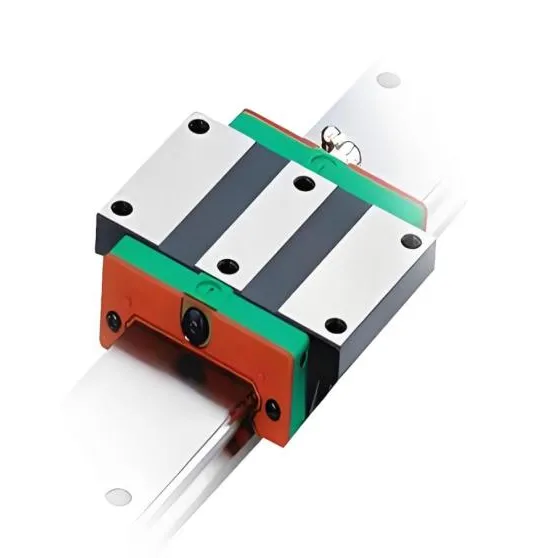
Working with industrial equipment for well over a decade, I've come to appreciate the fine craft behind what many take for granted—specifically, the art and science of linear rail assembly. It's oddly satisfying to see how tiny adjustments in rail alignment or block fit can drastically improve machine performance or, conversely, create headaches that last weeks.
In real terms, a linear rail assembly is not just about slapping components together but ensuring precision motion in everything from CNC machines to automated factory lines. What caught my eye early on was how reputable brands invest heavily in manufacturing linear guides with superior materials and tight tolerances. After all, the smoother the slide, the longer your machine keeps humming flawlessly.
Let me give you a quick overview of what goes into a reliable linear rail assembly — and why choosing the right components (and vendors) can make or break your application.
Key specs to watch in linear rails
| Specification | Typical Value | Notes |
|---|---|---|
| Rail Length | 100 mm - 3000 mm | Custom sizes available |
| Load Capacity | Up to 15,000 N | Depends on block model |
| Material | Hardened Steel/Alloy | Wear and corrosion resistance |
| Precision Grade | High (15 µm - 30 µm) | Critical for CNC accuracy |
| Lubrication | Pre-lubricated or Grease Fittings | Ease of maintenance varies |
From personal experience, even slight imperfections in the way the linear block seats on the rail can lead to premature wear or noisy operation. I remember a case where an overlooked assembly torque spec caused the entire guide to skew just enough for vibration—an easy fix but a costly lesson.
Choosing the right vendor: a quick comparison
| Vendor | Precision | Customization | Lead Time | Price Range |
|---|---|---|---|---|
| YDMotion | ±15 µm | Highly flexible | 2–4 weeks | Moderate |
| Vendor B | ±25 µm | Limited options | 3–6 weeks | Low |
| Vendor C | ±20 µm | Standard parts only | 4+ weeks | Higher |
Of course, price isn’t everything. The more I’ve read up on and sourced parts, the more I realize that partnering with a trustworthy supplier like YDMotion (full disclosure, I don’t work for them) can save headaches. They combine solid manufacturing standards with great customer support—something many engineers value deeply.
Assembly routines often require trial and error in tight spaces, and it feels like YDMotion’s dimension tolerances and pre-lubrication options make life easier on the floor. Not to mention, their customization means you can spec rails to unusual lengths or load requirements—something I learned the hard way last year on a robotic arm retrofit.
The bottom line is: whether you’re upgrading legacy gear or designing new machinery, paying proper attention to your linear rail assembly matters more than you might think. Sloppy assembly or cheap knockoffs often translate to downtime and higher repair costs down the line.
In the end, it’s all about precision, durability, and reliability. And oddly enough, the right rail assembly can sometimes feel like the backbone of your entire automation system—even if it’s a small component.
Takeaway? Invest in quality linear rails—and don’t overlook what happens during assembly. Your machines will thank you for it.
References
- Industrial Linear Rail Data Sheets – YDMotion, 2024
- “Precision Assembly Techniques” – Manufacturing Engineering Journal, 2023
- Customer Case Studies – YDMotion Official Website