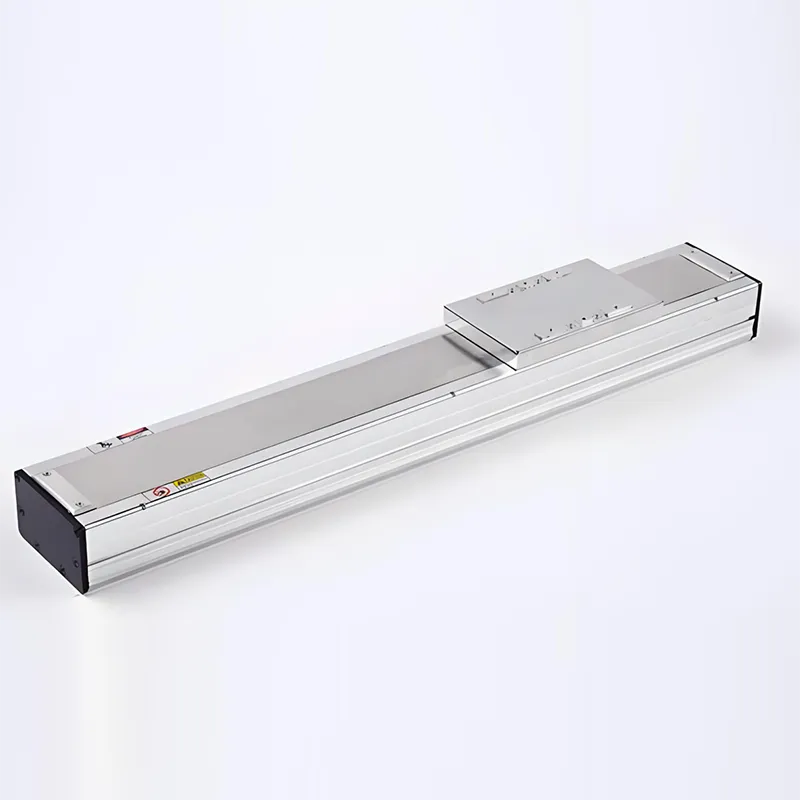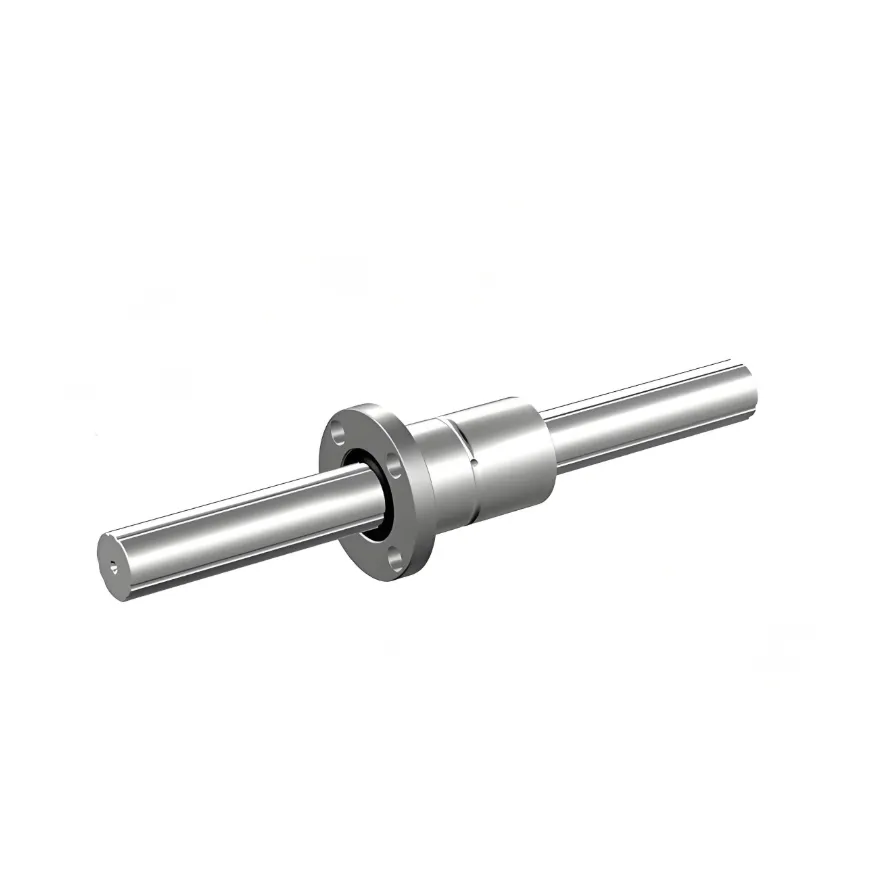
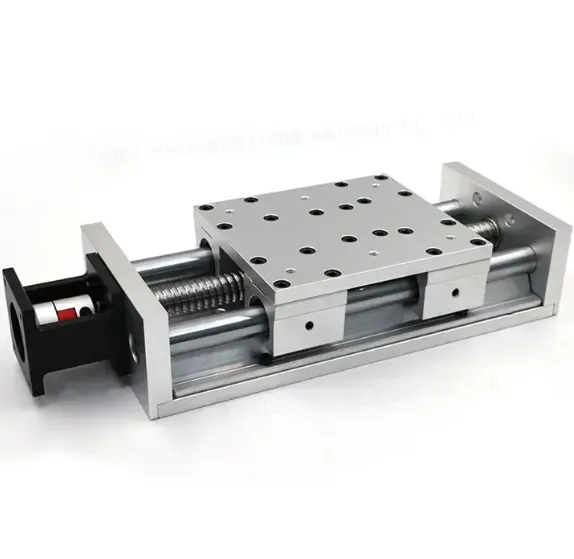
Linear modules (also known as linear actuators or linear motion modules) are widely used in automation systems such as CNC machines, pick-and-place equipment, assembly lines, and robotic handling systems. One of the most critical parameters when selecting a linear module is load capacity. However, load capacity is not a single fixed value—it changes significantly depending on whether the module is used in horizontal or vertical applications.
This article explains how linear module load capacity works, the key differences between horizontal and vertical installations, and how to choose the right configuration for long-term reliability and performance.
What Is Linear Module Load Capacity?
Linear module load capacity refers to the maximum force or weight a linear module can safely carry and move while maintaining accuracy, rigidity, and service life. Load capacity is influenced by multiple factors, including:
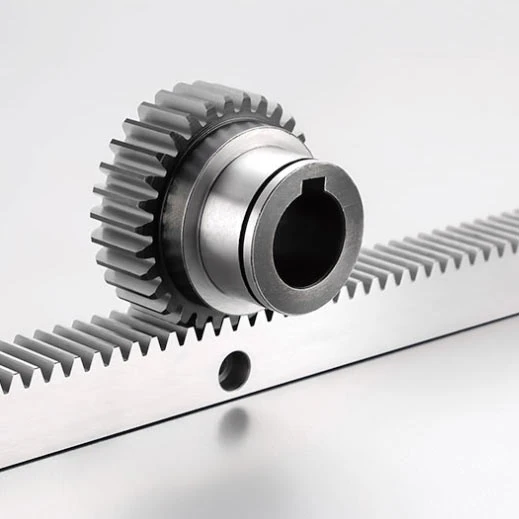
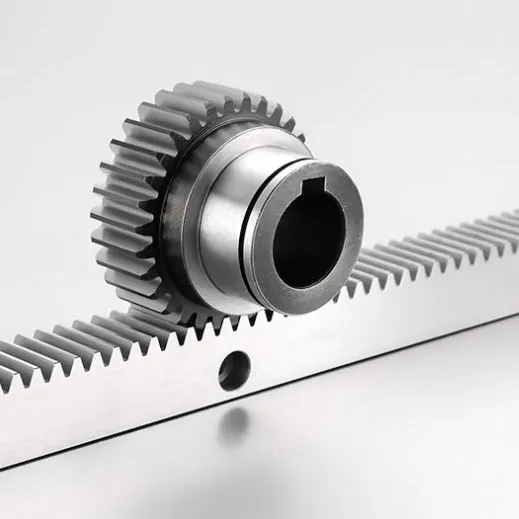
Drive type (ball screw, belt drive, rack & pinion)
Linear guide structure (single rail, double rail, integrated guide)
Mounting orientation (horizontal vs vertical)
Load direction (axial, radial, moment load)
Speed, acceleration, and duty cycle
Manufacturers usually provide rated load data, but these values must be interpreted differently for horizontal and vertical applications.
Horizontal Linear Module Load Capacity Explained
How Load Acts in Horizontal Applications
In horizontal installations, gravity acts perpendicular to the direction of motion. This means the linear module primarily supports the load rather than lifting it. As a result:
The drive system mainly overcomes friction and inertia
Gravity does not directly add to motor torque requirements
Load distribution is more stable and predictable
Because of this, horizontal applications generally allow higher effective load capacity compared to vertical setups using the same linear module.
Typical Horizontal Load Considerations
When selecting a linear module for horizontal use, engineers focus on:
Static load capacity of the linear guides
Moment loads caused by offset center of gravity
Deflection and rigidity, especially for long stroke lengths
For example, if a load is mounted off-center, it creates pitching, rolling, or yawing moments that may exceed the allowable moment ratings of the linear guide system—even if the total weight is within limits.
Advantages of Horizontal Applications
Higher usable load capacity
Lower motor and gearbox requirements
Reduced wear on ball screws or belts
Longer service life and easier maintenance
For this reason, horizontal linear modules are commonly used in conveyors, gantry systems, inspection platforms, and material transfer systems.
Vertical Linear Module Load Capacity Explained
Why Vertical Load Capacity Is More Critical
In vertical applications, gravity acts directly along the axis of motion, meaning the linear module must continuously lift or hold the load against gravity. This introduces additional challenges:
The motor must provide constant torque to support the load
Braking or self-locking mechanisms may be required
Safety risks increase in case of power failure
As a result, vertical load capacity is usually significantly lower than horizontal load capacity for the same linear module.
Key Vertical Application Factors
When designing a vertical linear motion system, the following factors are critical:
1. Dynamic vs Static Load
-
Dynamic load: The force required to lift or lower the load during motion
-
Static load: The force required to hold the load in position when stopped
Both must be checked against motor torque, screw efficiency, and brake capacity.
2. Ball Screw vs Belt Drive
-
Ball screw linear modules are preferred for vertical applications due to higher efficiency, rigidity, and self-locking potential (especially with low lead screws).
-
Belt-driven linear modules can be used for lighter vertical loads but usually require counterweights or pneumatic support.
3. Safety and Braking
Vertical systems often require:
-
Servo motors with holding brakes
-
Mechanical brakes or anti-fall devices
-
Redundant safety designs to prevent load drop
Ignoring these factors can lead to serious equipment damage or safety incidents.
Horizontal vs Vertical Load Capacity: Key Differences
| Aspect | Horizontal Application | Vertical Application |
|---|---|---|
| Gravity effect | Acts perpendicular to motion | Acts directly on motion |
| Usable load capacity | Higher | Lower |
| Motor torque demand | Lower | Higher |
| Safety requirements | Standard | High |
| Wear rate | Lower | Higher |
| Typical drive type | Belt or ball screw | Mostly ball screw |
This comparison highlights why the same linear module may perform very differently depending on installation orientation.
How to Calculate Linear Module Load Capacity Correctly
To avoid oversizing or undersizing, load calculations should include:
-
Actual load weight (including fixtures, tooling, and workpieces)
-
Acceleration and deceleration forces
-
Moment loads caused by load offset
-
Orientation factor (horizontal or vertical)
-
Safety factor (typically 1.5–2.0 for industrial use)
For vertical applications, always calculate the worst-case scenario, such as emergency stops or power-off conditions.
Common Mistakes in Load Capacity Selection
Many failures in linear module systems are caused by incorrect load assumptions. Common mistakes include:
-
Using horizontal load ratings for vertical designs
-
Ignoring moment load limits
-
Underestimating acceleration forces
-
Skipping safety brakes in vertical axes
-
Choosing speed over rigidity
A linear module that works perfectly in a horizontal test setup may fail prematurely when installed vertically.
Choosing the Right Linear Module for Your Application
To select the correct linear module load capacity:
-
Choose horizontal layouts whenever possible for heavy loads
-
For vertical axes, prioritize ball screw-driven linear modules
-
Always check manufacturer load and moment charts
-
Add appropriate safety margins and braking systems
-
Consider consulting the linear module supplier for application-specific verification
A properly selected linear module not only improves performance but also reduces downtime, maintenance costs, and safety risks.
Understanding linear module load capacity is essential for designing reliable automation systems. The key takeaway is that horizontal and vertical applications behave very differently, even when using the same linear module. Horizontal installations offer higher load capacity and lower stress, while vertical applications demand careful calculation, stronger drive systems, and enhanced safety measures.
By accounting for load direction, gravity effects, and real operating conditions, engineers can select the right linear module and ensure long-term, stable operation in both horizontal and vertical applications.
About the Author
Eric Liu is a senior application engineer and industrial automation content specialist with over 10 years of experience in linear motion systems, including linear modules, ball screw actuators, and precision linear guides. He has worked closely with OEM manufacturers and system integrators on horizontal and vertical automation projects, focusing on load calculation, structural optimization, and long-term reliability.
Eric regularly publishes technical articles on linear module selection, load capacity analysis, and motion control best practices, helping engineers make informed design decisions for real-world industrial applications.