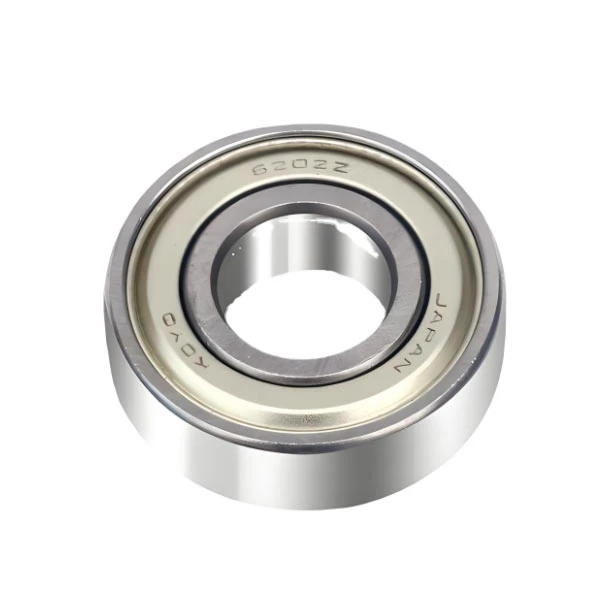
Bearing Steel Material: The Unsung Hero of Modern Industry
If you’ve ever wondered what keeps machines running smoothly, ensures infrastructure is reliable, or how manufacturers optimize performance, bearing steel material is a foundational piece of the puzzle. It’s one of those behind-the-scenes elements that rarely gets the spotlight, yet it’s critical in nearly every mechanical system worldwide.
Understanding bearing materials isn’t just for engineers or technical folks — it matters on a global scale. Efficient, durable bearing steel materials reduce downtime, energy consumption, and maintenance costs, which ripple outwards benefiting industries, economies, and ultimately end consumers. Plus, innovation in this field is a key driver toward sustainability and smarter manufacturing.
bearing materialGlobal Context: Why Bearing Steel Materials Matter More Than Ever
When we look globally, the demand for reliable, efficient mechanical components grows daily. According to the International Organization for Standardization (ISO), the global machinery market relies heavily on high-performing bearings within automotive, aerospace, energy, and manufacturing sectors. The World Bank reports that industrial machinery accounts for over 20% of manufacturing output worldwide. As machines become more complex, the need for superior bearing steel materials to withstand diverse environments and loads magnifies.
And here’s the kicker: traditional bearing steel materials sometimes struggle with newer operational demands, like higher speeds, heavier loads, or extreme temperatures. This creates a challenge for companies aiming to reduce breakdowns and extend machinery life while keeping costs under control. The balance is tricky and why material science innovations are so crucial right now.
What Exactly is Bearing Steel Material?
Put simply, bearing steel material is the substance or composite used to construct the part of a bearing that contacts the shaft or surface it supports. Bearings reduce friction between moving parts and help transfer loads. They’re found in everything from tiny electric motors inside your laptop to massive wind turbines generating clean energy.
Material choice affects the bearing’s durability, load capacity, corrosion resistance, and even environmental footprint. In humanitarian terms — say in post-disaster rebuilding — choosing the right bearing steel material can make equipment more reliable and safer for workers, accelerating relief efforts.
Mini takeaway:
The bearing steel material determines the bearing’s performance, resilience, and applications. Getting it right is both a technical and practical necessity.
Key Factors That Define Bearing Steel Materials
1. Durability and Wear Resistance
Bearings often face constant friction and stress. Materials like hardened steel alloys, bronze, or advanced polymers resist wear and extend operational life. Durability here means less downtime and fewer replacements.
2. Load Capacity and Strength
Depending on the application, bearing steel may experience heavy axial or radial loads. Material strength dictates how well the bearing can support these without deforming, which is critical in automotive or heavy machinery sectors.
3. Corrosion Resistance
Operating environments vary — from seawater-exposed marine machinery to dusty mining rigs. Titanium alloys or coated steel often enhance corrosion resistance, protecting the bearing and associated components.
4. Thermal Stability and Lubrication
In high-speed or high-temperature operations, such as in aerospace or manufacturing, materials that maintain structural integrity and minimize friction under heat stress are invaluable.
5. Cost Efficiency and Availability
While high-tech materials perform better, budget constraints often guide choices. The challenge is achieving the best mix of performance without overshooting costs.
6. Sustainability and Environmental Impact
Increasingly, eco-friendly materials and recyclability are part of the decision matrix, especially for companies committed to sustainable manufacturing. Polymers and composites with reduced environmental footprints are trending.
Mini takeaway:
Each factor interplays differently depending on the use case. Material innovation often means balancing these to get optimal practical benefit.
Global Applications & Real-World Examples
Around the world, bearing steel materials serve in diverse sectors:
- Automotive Industry: Modern cars demand lightweight yet robust bearings to enhance fuel efficiency and safety.
- Renewable Energy: Wind turbines rely heavily on high-durability bearing materials to handle harsh weather and massive mechanical loads.
- Construction Equipment: In remote industrial zones, rugged bearings minimize maintenance in tough environments.
- Humanitarian Efforts: After natural disasters, mobile and modular machinery with reliable bearings help rebuild infrastructure quickly. Polymers and composite bearing steel materials are prized for ease of transport and resilience.
Oddly enough, a lesser-known fact is that aerospace bearings often combine custom alloys with nano-coatings — a cutting-edge innovation in bearing steel material science.
Bearing Steel Material Product Specification Table
| Material Type | Typical Hardness (HRC) | Operating Temp Range (°C) | Load Capacity (Max kN) | Corrosion Resistance | Common Applications |
|---|---|---|---|---|---|
| Chrome Steel (AISI 52100) | 58-66 | -40 to 150 | 200 | Moderate | Automotive, Industrial Machinery |
| Stainless Steel (440C) | 58-60 | -60 to 180 | 150 | High | Marine, Food Processing |
| Bronze | 70-150 HV | -50 to 300 | 80 | Good | Heavy Industry, Agriculture |
| Polymers (PTFE, PEEK) | 60-80 MPa (Tensile) | -100 to 250 | 45 | Very High | Food, Medical, Electronics |
Advantages and Long-Term Benefits of Choosing the Right Bearing Steel Material
Opting for the right bearing steel material is more than just technical sense; it’s a strategic move. I’ve noticed in industry talks that companies focusing on material optimization tend to experience:
- Reduced Downtime: Better wear resistance means fewer unexpected failures.
- Cost Savings: Longevity lowers replacement and maintenance expenses.
- Energy Efficiency: Less friction translates to lower power consumption — which also hits environmental goals.
- Improved Safety: Reliable bearings prevent accidents caused by mechanical failure.
- Sustainability: Using recyclable and eco-friendly materials supports corporate responsibility.
In real terms, these benefits collectively build trust with customers and stakeholders — which, frankly, means everything.
Vendor Comparison: Popular Bearing Steel Materials Market Suppliers
| Vendor | Material Specialization | Innovation Focus | Price Range | Lead Time |
|---|---|---|---|---|
| SKF | Chrome Steel, Hybrid Ceramics | Condition Monitoring Sensors | Medium to High | 4-6 weeks |
| Timken | Alloy Steels, Bearings with Nano Coatings | Advanced Surface Treatments | Medium | 3-5 weeks |
| NSK | Stainless Steel, Polymer Bearings | Eco-Friendly Material Sourcing | Low to Medium | 2-4 weeks |
| NSK | Stainless Steel, Polymer Bearings | Eco-Friendly Material Sourcing | Low to Medium | 2-4 weeks |
| NSK | Stainless Steel, Polymer Bearings | Eco-Friendly Material Sourcing | Low to Medium | 2-4 weeks |
| NSK | Stainless Steel, Polymer Bearings | Eco-Friendly Material Sourcing | Low to Medium | 2-4 weeks |
| NSK | Stainless Steel, Polymer Bearings | Eco-Friendly Material Sourcing | Low to Medium | 2-4 weeks |
| NSK | Stainless Steel, Polymer Bearings | Eco-Friendly Material Sourcing | Low to Medium | 2-4 weeks |
Future Trends: Innovation on the Horizon for Bearing Steel Materials
Here’s where it gets exciting. The future of bearing steel materials is closely tied to advancements in nanotechnology, automation, and sustainability. Some trends catching steam include:
- Hybrid Ceramic Bearings: Combining the strength of ceramics with metals for extreme durability and lower friction.
- Smart Bearings: Embedded sensors for real-time condition monitoring alongside traditional materials.
- Bio-based Polymers: Bearings made from renewable sources reducing environmental footprint.
- Self-Lubricating Composites: Materials that minimize maintenance by releasing lubricants as needed.
These innovations will not only boost performance but potentially redefine what machines can do and how sustainable they are.
Overcoming Challenges in Bearing Steel Material Selection
While great strides have been made, challenges remain. One common issue is the tradeoff between cost and performance — top-tier materials often come with premium price tags. Also, ensuring consistent quality across batches can be tough, especially as composites and polymers grow more complex.
Luckily, advances in manufacturing techniques, like 3D printing and AI-optimized material formulations, are helping engineers fine-tune bearing steel materials to specific needs without exorbitant costs. Collaboration between suppliers, manufacturers, and end-users is also critical to develop practical solutions.
Frequently Asked Questions About Bearing Steel Material
- Q: What bearing steel material is best for high-temperature applications?
- A: For high temperatures, ceramic-based or specially treated stainless steel bearings are preferred due to their thermal stability and resistance to deformation.
- Q: How can bearing steel materials impact machine energy efficiency?
- A: Materials with lower friction coefficients reduce energy losses during operation, which lowers power consumption and improves efficiency.
- Q: Are polymer bearings suitable for heavy industrial use?
- A: Polymers excel in low-noise and corrosion-resistant environments but may not handle very high loads as well as metal alloys.
- Q: How do I choose a bearing material for a corrosive environment?
- A: Stainless steel grades or coatings designed for corrosion resistance are optimal. Polymers can also be excellent under such conditions.
- Q: Can bearing materials be tailored for sustainability?
- A: Yes, many manufacturers now offer eco-friendly materials, including recyclable metals and bio-based polymers that reduce carbon footprint.
Wrapping Up: Why Bearing Steel Material Choices Matter
All things considered, bearing steel materials are a vital, if often overlooked, cornerstone of modern mechanical design and industry. Getting the right material affects everything from machine longevity and cost to environmental responsibility and operational safety. Whether you’re specifying an OEM part or managing a fleet of heavy equipment, understanding these materials pays dividends over the long haul.
If you want to dive deeper, visit our website for resources, expert advice, and product solutions designed with performance and sustainability in mind.
Mini takeaway final:
Investing in the right bearing material isn’t just smart engineering — it’s a forward-thinking strategy that shapes reliability, innovation, and global progress.