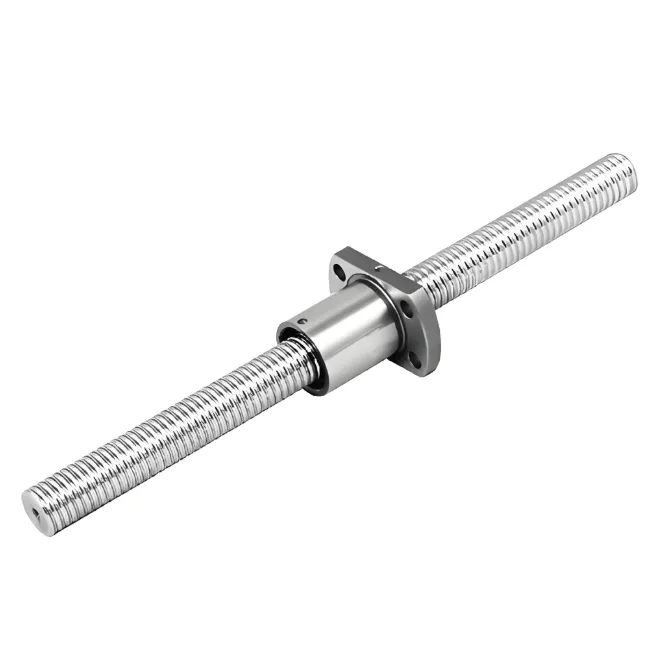
Understanding linear rails and slides: The Backbone of Precise Motion
After more than a decade elbow-deep in industrial automation and machine design, I’ve come to regard linear rails and slides as the unsung heroes of countless factory floors. You don’t always see them, but they quietly ensure precision, smoothness, and longevity in mechanisms that frankly make modern production possible. Frankly, when someone asks what really differentiates a high-end machine from a mediocre one, I often point to the quality and design of the linear motion components.
Oddly enough, despite their vital role, linear rails tend to get overshadowed by flashier tech. But when a slide or rail fails, things suddenly get very real, very fast — downtime, wear, and dreadful misalignments. So, it’s worth understanding how these components work, and why you should never skimp on specs or supplier quality.
Material Choices and Design
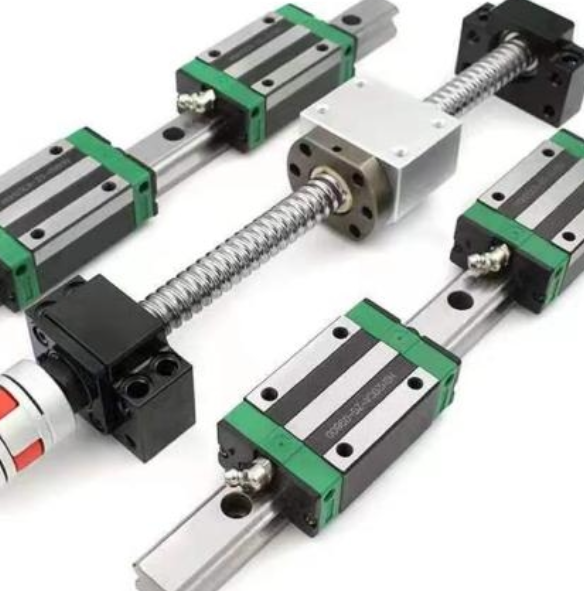
Most industrial linear rails and slides are made from hardened steel, which means they can withstand heavy loads and resist wear over time. I’ve worked with rails manufactured from stainless steel when corrosion resistance is a priority — say, in food processing or pharmaceutical settings. The difference you can feel is quite something: hardened steel rails almost glide, reducing friction and allowing for smoother, more accurate motion.
Design-wise, what stands out is the profile: square rails versus round rails. Square rails offer higher rigidity, crucial for CNC machines or precision assembly robots, where even micro-movements can cause a cascade of errors downstream. Round rails tend to be simpler and cheaper but might not cut it for demanding applications.
Performance Specs in Real Terms
| Specification | Typical Range | Why It Matters |
|---|---|---|
| Load Capacity | Up to 20,000 N | Ensures rails can handle the forces without deforming |
| Travel Accuracy | ±0.01 mm | Essential for precision manufacturing or metrology |
| Speed Capability | Up to 5 m/s | Important for fast assembly lines and robotics |
| Operating Temperature | -20°C to 80°C | Determines environments where rails can be safely deployed |
| Lubrication Interval | 5000 km to 20000 km | Affects maintenance schedule and downtime |
Choosing the Right Vendor: What I Look For
Picking a vendor for linear motion components isn’t just about price. From my experience, what really counts is a balance of quality certifications, delivery reliability, and post-sale support. I’ve noticed that companies like YDMotion often include extensive test reports and detailed specs — a sign they stand behind their products.
| Vendor | Product Range | Quality Certifications | Customer Support | Price Competitiveness |
|---|---|---|---|---|
| YDMotion | Comprehensive (rails, slides, blocks) | ISO 9001, RoHS | Responsive, technical support included | Mid-range, good value |
| Vendor B | Limited (rails only) | ISO 9001 | Basic support | Lower than average |
| Vendor C | Wide (rails, custom slides) | ROHS, CE | Good but slow response | Higher end |
Real-World Anecdote: When Linear Rails Saved the Day
Once, during a tight production schedule on a packaging line, a linear rail failure caused a whole shift’s worth of bottlenecks. The resupply was delayed, so the engineering team turned to a supplier we trusted, sourcing high-grade slides rapidly. What struck me was how much smoother the newer rails were — vibrations dropped, and so did maintenance complaints. The lesson? Investing in quality slides upfront might cost a bit more, but you save far more on headaches later.
In real terms, whether you’re building a new automated assembly or retrofitting an old machine, thoughtfully choosing your linear rails and slides really pays off. It’s one of those specs you don’t want to overlook.
If you want to explore solid options, it’s definitely worth checking out providers like YDMotion who combine reliability, testing rigor, and industry experience — you can sort of feel the difference in the specs and customer feedback.
Just a final thought: the smallest things often make the biggest difference on the factory floor, and linear rails really exemplify that. Keep them in mind.
References:
1. Industrial Linear Motion Components Handbook
2. YDMotion Corporate Product Catalog 2024
3. ISO 9001 Certification Documents for Leading Motion Suppliers