Understanding Square Linear Guides: A Comprehensive Guide
When precision and reliability are paramount in motion control systems, square linear guides emerge as the preferred solution. These guides, crucial components in diverse industries, deliver smooth, accurate, and heavy-duty linear movement. This article will delve into the world of square linear guides, exploring their features, benefits, applications, and how to choose the right one for your needs. We'll cover everything from their construction to the key specifications to consider when integrating them into your projects.
What are Square Linear Guides?
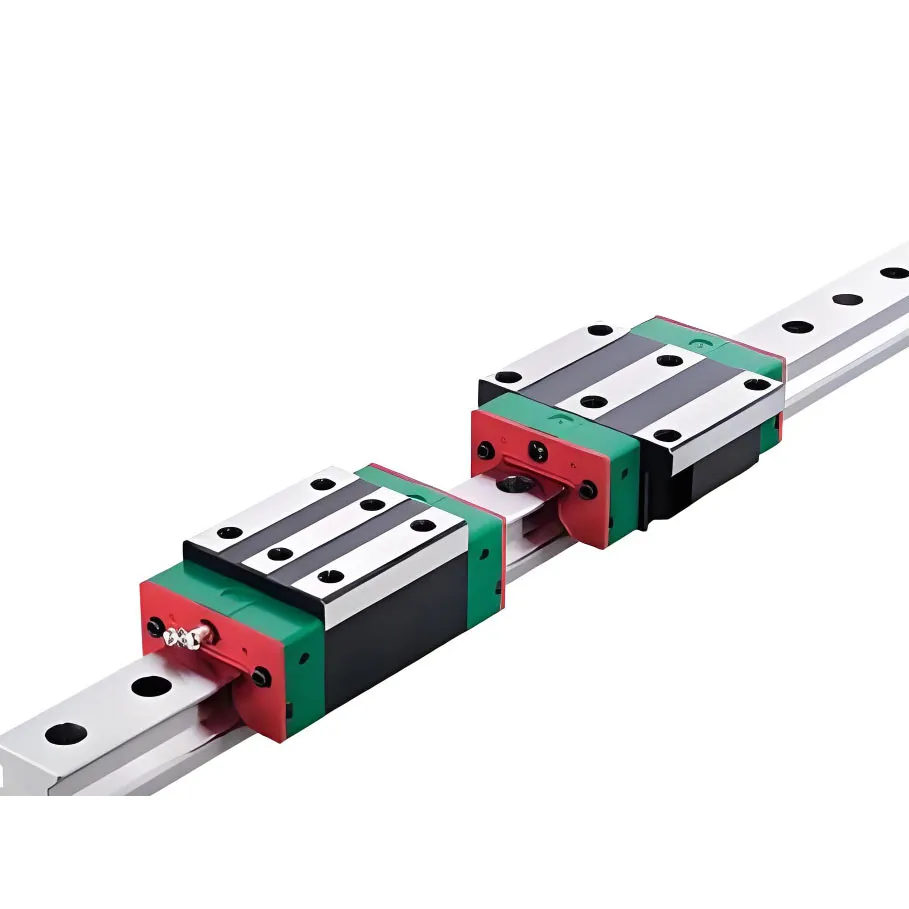
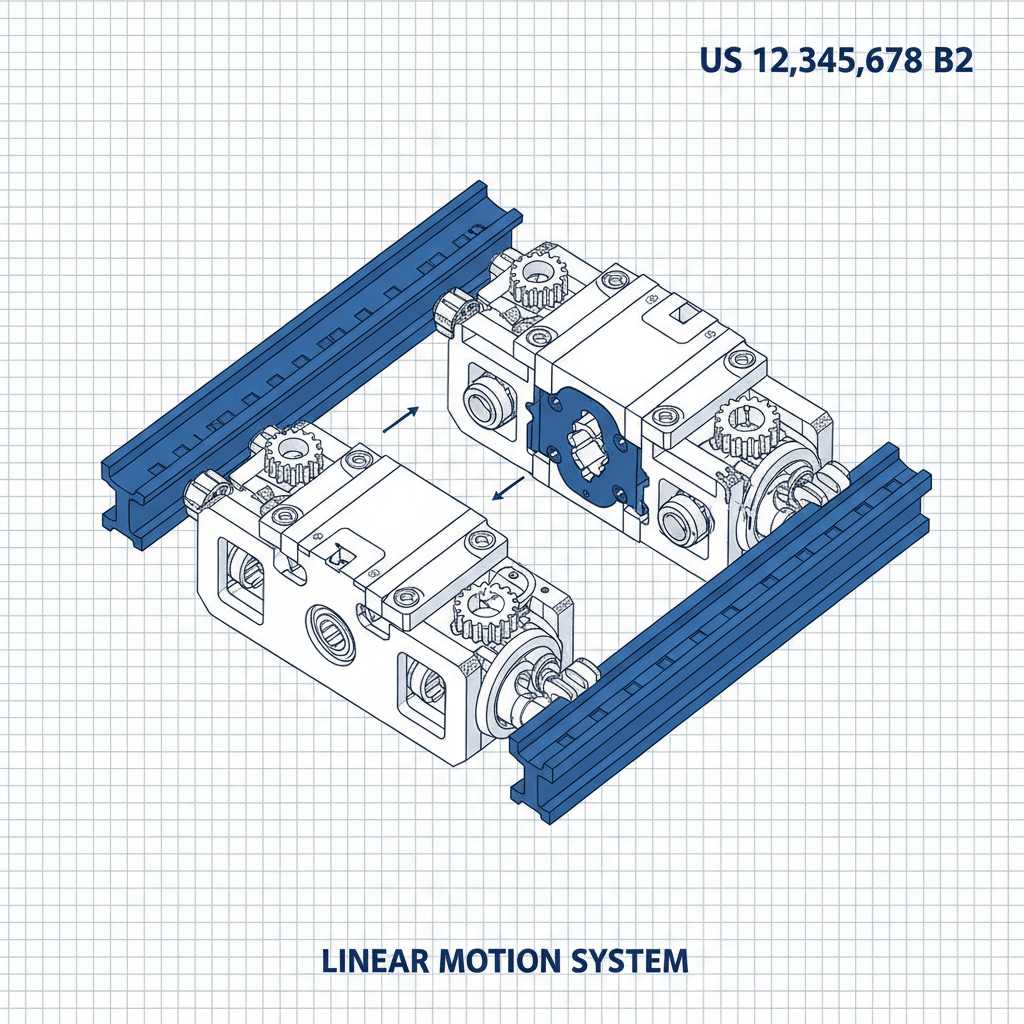
Square linear guides, also known as profile rail systems, are designed to provide highly precise and rigid linear motion. They consist of a rail (or guide rail) and a carriage block, often called a bearing block. The carriage block houses recirculating ball bearings that roll within the grooves of the rail, minimizing friction and enabling smooth movement. Unlike traditional linear bearings, square linear guides offer significantly higher load capacity and stiffness, making them ideal for demanding applications. YD Motion provides a wide range of high-quality square linear guides to meet various application requirements.
Key Highlights: Square linear guides offer high load capacity, excellent rigidity, smooth motion, and long-term reliability. They are widely used in automation, robotics, and precision machinery.
Key Components of a Square Linear Guide
Understanding the components of a square linear guide is crucial for selecting the right system. The main elements include:
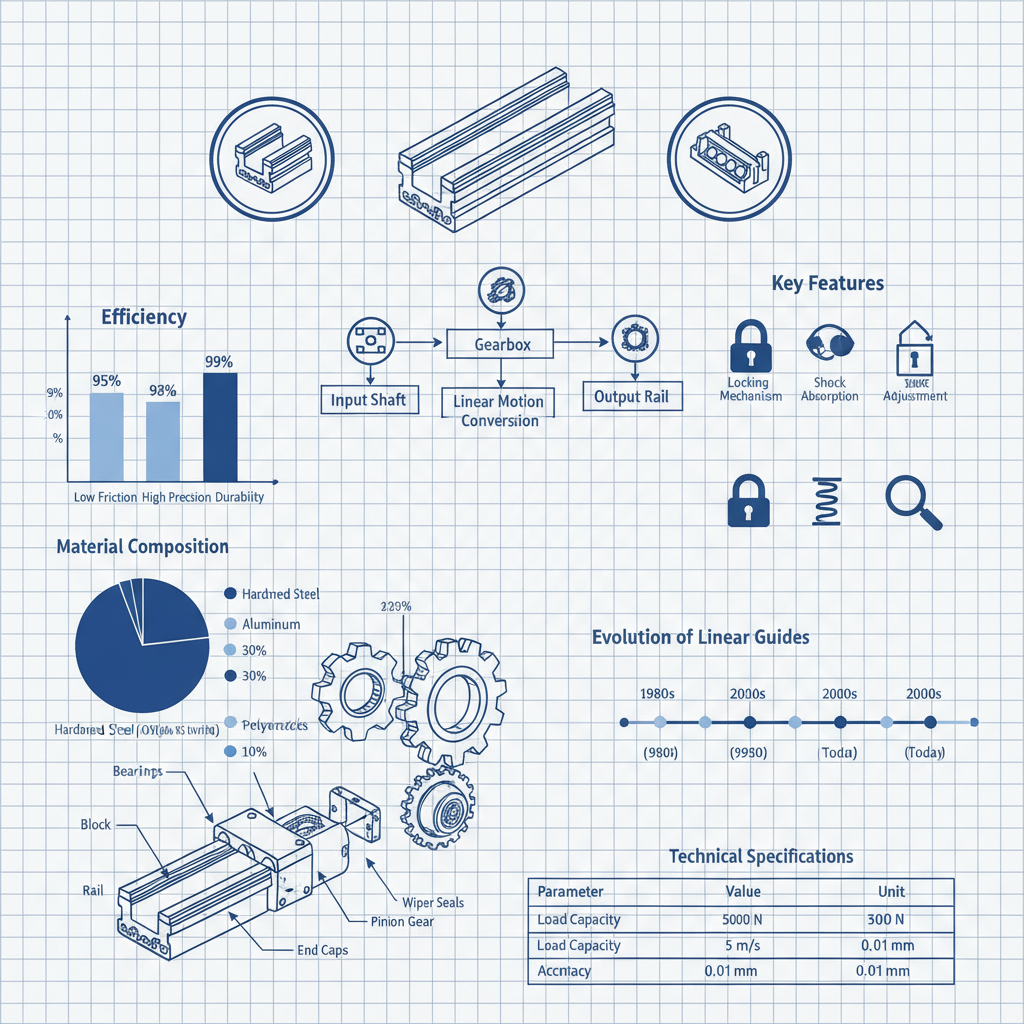
- Rail: The foundation of the system, providing the guiding surface.
- Carriage Block (Bearing Block): Houses the ball bearings and facilitates linear motion along the rail.
- Ball Bearings: Enable smooth, low-friction movement.
- End Seals: Protect the ball bearings from contaminants.
- Mounting Hardware: Used to secure the rail and carriage block to the machine structure.
Component Importance:
• High-quality rails ensure smooth and accurate motion.
• Durable carriage blocks provide stability and load capacity.
• Effective seals protect bearings from contaminants.
• Proper mounting ensures secure and reliable operation.
Square Linear Guide vs. Round Shaft Linear Guides: A Comparison
Choosing between square linear guides and round shaft linear guides depends on your application requirements. Square linear guides generally offer higher load capacity, rigidity, and precision compared to round shaft guides. However, round shaft guides are typically more cost-effective and easier to install. Here’s a comparative overview:
Applications of Square Linear Guides
Square linear guides are essential in numerous applications, including:
- Robotics: Providing precise joint movements.
- CNC Machines: Enabling accurate cutting and machining.
- 3D Printers: Ensuring smooth and accurate layer deposition.
- Automated Production Lines: Facilitating efficient material handling.
- Medical Equipment: Supporting precise positioning in surgical devices.
- Semiconductor Manufacturing: Maintaining high accuracy in wafer processing.
Choosing the Right Square Linear Guide
Selecting the correct square linear guide involves considering several factors:
- Load Capacity: Determine the maximum load the guide will need to support.
- Moment Load: Consider the bending moments applied to the guide.
- Accuracy: Specify the required precision for your application.
- Size: Select a guide with appropriate dimensions for your machine design.
- Environmental Conditions: Choose a guide with suitable seals and materials for the operating environment.
- Material: Steel, stainless steel, and aluminum are common materials, each offering different properties.
Conclusion: Optimizing Performance with Square Linear Guides
Square linear guides are vital components for any application demanding precision, rigidity, and high load capacity. By carefully considering your application's specific requirements and selecting a high-quality guide from a reputable supplier like YD Motion, you can optimize the performance and reliability of your machinery. Investing in the right linear guide is an investment in the long-term success of your projects.
Frequently Asked Questions (FAQs)
What maintenance is required for square linear guides?
Regular maintenance is crucial for ensuring the long-term performance of square linear guides. This includes periodic cleaning to remove dust and debris, lubrication according to the manufacturer’s recommendations, and inspection for wear or damage. Proper lubrication reduces friction and prevents corrosion. Visually inspect the rails and carriage blocks for any signs of damage, such as cracks, dents, or excessive play. Addressing minor issues promptly can prevent more significant problems down the line.
What is the typical lifespan of a square linear guide?
The lifespan of a square linear guide depends on factors such as load, speed, operating environment, and maintenance. With proper maintenance and moderate usage, a well-chosen square linear guide can last for 5-10 years or even longer. However, in harsh environments or with heavy loads and high speeds, the lifespan may be shorter. Regular inspection and timely replacement of worn components are essential for maximizing the guide’s service life.
Can square linear guides be used in corrosive environments?
Square linear guides can be used in corrosive environments, but it's essential to select materials that are resistant to the specific corrosive agents present. Stainless steel linear guides are ideal for applications involving exposure to moisture, chemicals, or other corrosive substances. Additional protective measures, such as coatings or sealed carriage blocks, may also be necessary to prevent corrosion. Consult with a linear guide specialist to determine the best materials and configurations for your corrosive environment.
How do I properly lubricate a square linear guide?
Proper lubrication is vital for the smooth operation and longevity of square linear guides. Use a lubricant specifically designed for linear guides, such as a lithium-based grease or a synthetic oil. Apply the lubricant to the rail and carriage block according to the manufacturer’s recommendations. Avoid over-lubrication, as this can attract dust and debris. Regularly reapply lubricant to maintain optimal performance. YD Motion can provide guidance on the best lubrication practices for your specific linear guide system.