Understanding the Linear Rail Guide with Bearing Block
Having spent over a decade working hands-on with industrial equipment, I’ve come to appreciate the subtle but significant role linear rail guides with bearing blocks play in modern machinery. They may seem like a small component, but honestly, their precision and reliability can make or break equipment performance.
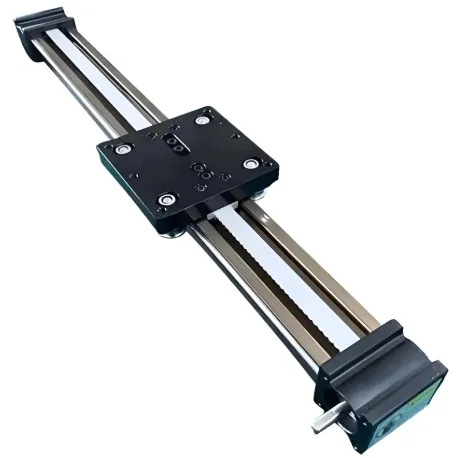
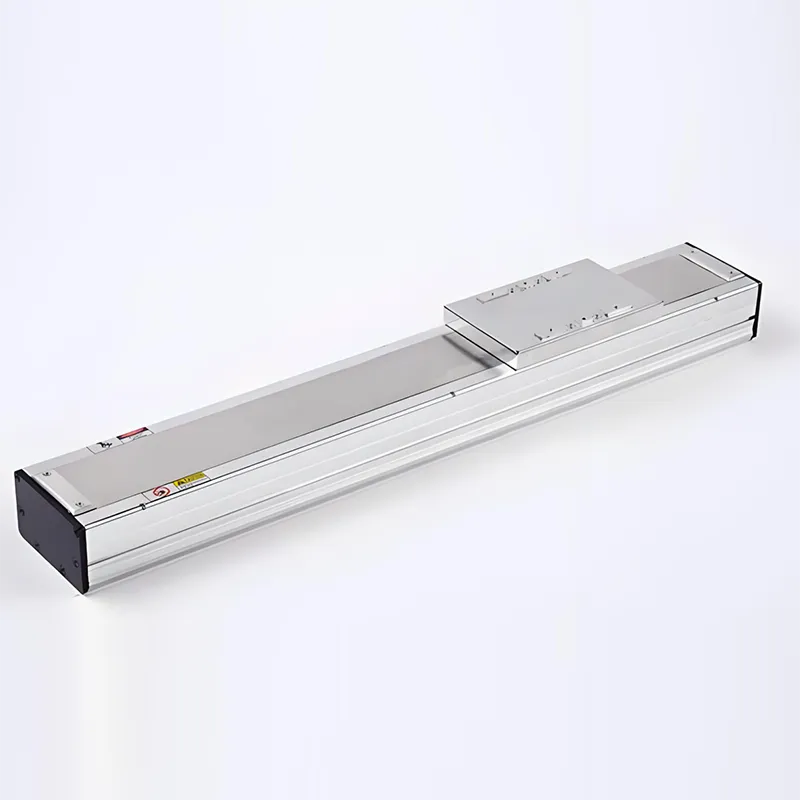
In real terms, these guides provide smooth, low-friction linear motion — crucial whether you’re dealing with CNC machines, robotics, or any other automated system needing accurate positioning. What I’ve noticed over the years is how the combination of rail and bearing block simplifies the design, offering both load capacity and stiffness without the bulk or fuss of alternative sliding mechanisms.
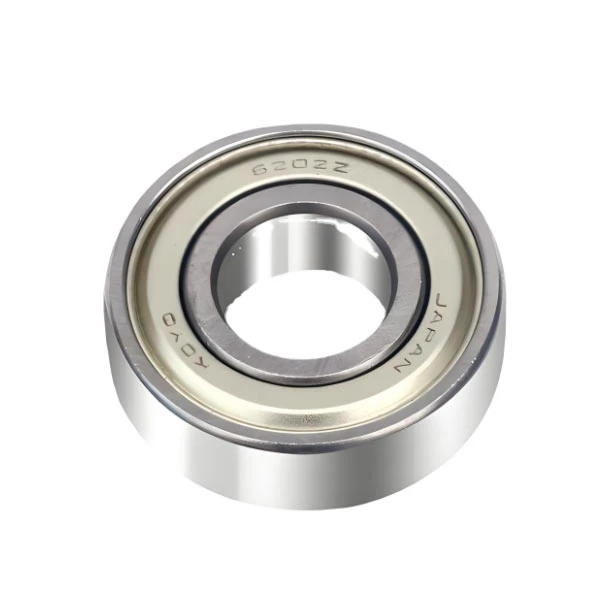
Frankly, the materials and build quality matter more than most people realize. Typically, these guides use hardened steel rails matched with bearing blocks containing recirculating ball bearings. This assembly ensures durability and precision under continuous use. I once saw an installation where the wrong bearing block led to premature wear, costing downtime that no shop wants.
Industry trends show a push towards higher accuracy and longer life spans, and manufacturers now often provide customization options — like special coatings or seals — to fit specific environments. Did you know some bearing blocks come with built-in lubrication systems? It’s one of those subtle features that ease maintenance headaches down the line. Customers I’ve talked with often emphasize reliability and ease of installation as key decision factors.
Typical Specifications of a Linear Rail Guide with Bearing Block
| Specification | Typical Values |
|---|---|
| Rail Material | Hardened Steel (often 40Cr or equivalent) |
| Bearing Block Type | Recirculating Ball Bearings with Polymer Cage |
| Load Capacity | Up to 15 kN (dynamic load rating) |
| Maximum Travel Length | Customizable, typically up to several meters |
| Operating Temperature | -20°C to +80°C (with optional high-temp variants) |
| Lubrication | Manual or automatic grease options available |
As you can imagine, these specs fluctuate based on vendor and model. But if you want my two cents, start with a guide that matches your machine’s expected load and speed, and double-check the bearing block’s sealing if you’re in a dusty or humid environment.
Comparing Top Vendors of Linear Rail Guides
| Feature | YDMotion | Brand A | Brand B |
|---|---|---|---|
| Load Capacity (kN) | 12 - 15 | 10 - 13 | 13 - 16 |
| Customization Options | High (length, seals, lubrication) | Medium | Low |
| Lead Time | 2-4 weeks | 3-6 weeks | 4-8 weeks |
| Price Range | Competitive | Premium | Economical |
| Warranty | 2 years | 3 years | 1 year |
In my experience, YDMotion strikes a great balance between quality and customization. I recall a project where their tailored linear guides allowed incremental adjustments that competitor parts simply didn’t offer — saved us time and money, oddly enough. Of course, some applications might call for premium options or budget-friendly choices, but knowing what your system demands is half the battle.
One last point — I’ve often seen engineers underestimate the importance of pre-installation testing. Rail flatness, block smoothness, and proper mounting alignment are critical to avoid vibration and uneven wear. So if you can, bench-test your assemblies before committing to production runs.
To sum up: linear rail guides with bearing blocks are more than just moving parts. They’re a small but vital key to precision and durability in industrial machinery. Choosing well and maintaining them properly pays dividends in uptime and product quality.
References:
1. Industry standards for linear motion systems
2. Technical datasheets from leading linear rail manufacturers
3. Case studies from industrial automation projects