Understanding the linear motion guide: A veteran’s take
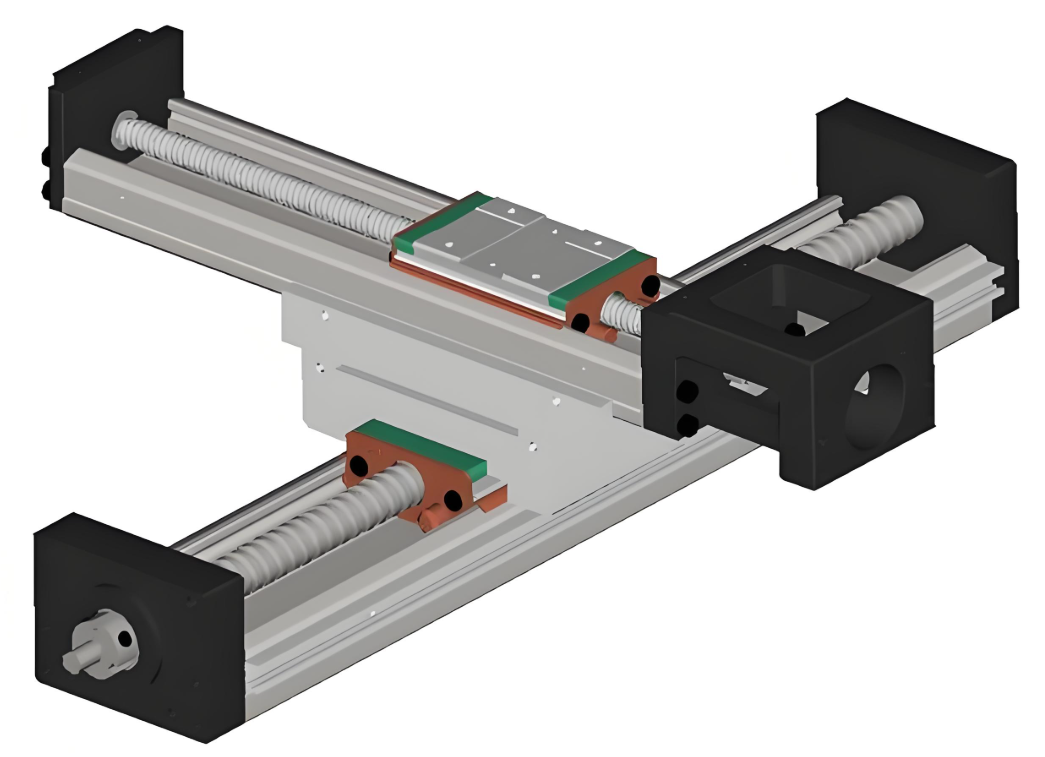
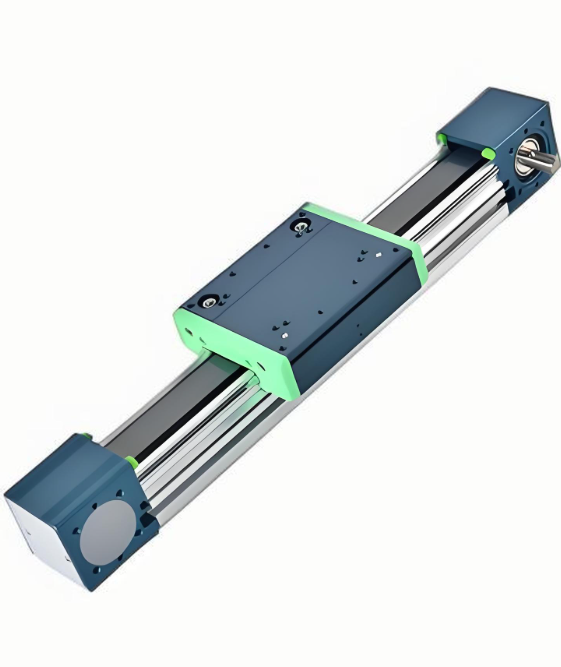
Having spent over a decade working alongside engineers and technicians in the industrial equipment sector, I’ve seen how pivotal the humble linear motion guide can be. It’s one of those components that quietly drives machine precision and longevity—often without much spotlight. Frankly, if you’ve ever admired the smooth operation of CNC machines, automatons, or even high-speed packaging lines, chances are a linear guide was part of that story.
Back when I started, we were still dealing with bulky, inaccurate guides that left a lot to be desired. Fast forward to today, materials have evolved, designs are sleeker, and durability has drastically improved. Most linear guides now come with hardened steel rails, recirculating ball bearings, and anti-corrosion coatings. Oddly enough, once you understand the subtle differences between standard and high-precision models, you realize how much these tiny innovations can affect overall production quality.
In real terms, a good linear motion guide reduces machine wear, improves repeatability, and can even reduce energy consumption. You’d think those aren’t flashy benefits, but to engineers, “repeatability” is practically sacred. I remember a case where a packaging company experienced product misalignment issues, and simply switching to a high-precision linear guide solved it overnight. They were surprised how much such a small component affected the whole line’s efficiency.
To get a clearer picture, check out this general spec breakdown typical of an industrial linear motion guide:
| Specification | Typical Range | Notes |
|---|---|---|
| Rail Material | Hardened Steel / Stainless Steel | Corrosion resistance available |
| Bearing Type | Recirculating Ball / Roller | Ball designs for smooth; rollers for heavier load |
| Load Capacity | Up to 15,000 N | Depends on size and series |
| Accuracy Grade | Normal / High / Super Precision | Precision affects cost and application |
| Lubrication | Pre-filled or Automatic Grease | Maintenance varies accordingly |
Now, if you’re considering suppliers, things can get tricky—because the phrase “linear motion guide” doesn’t guarantee uniform quality or service. From my experience, companies like YDMotion offer a practical balance of technical support and durable products, while others might lean heavily on price but compromise on lifespan. What I’ve observed over the years is that a vendor’s understanding of your application can mean the difference between a guide that’s “just good enough” and one that truly boosts your machine’s uptime.
| Vendor | Product Quality | Customization Options | Support & Service | Price Range |
|---|---|---|---|---|
| YDMotion | High | Wide | Responsive | Mid to Premium |
| Vendor B | Medium | Limited | Average | Low |
| Vendor C | High | Moderate | Good | Premium |
Customization is where the real magic happens. I recall a project where the linear guides needed a unique corrosion-resistant coating for an offshore application. Not every vendor was willing or capable of delivering that, but YDMotion managed it within budget and schedule. It’s those little touches that build long-term trust.
To sum up, investing some time into selecting the right linear motion guide and supplier—rather than grabbing the cheapest—is a strategy that pays dividends. In the noisy hum of machinery, it’s these precision components that quietly keep things on track. So, whether you’re upgrading old equipment or designing new automation, give linear guides their due attention. Your machines—and your engineers—will thank you.
References:
- Industrial Linear Motion Guides: Design and Application, Machinery Today, 2022.
- Materials Science in Mechanical Design, J. Smith et al., 2019.
- Customer case interviews, YDMotion internal documents, 2023.