Why a linear rail with gear rack remains a top choice in industrial automation
Having spent over a decade working with industrial machinery, I’ve come to appreciate the quiet champions of precision motion systems — like the humble linear rail with gear rack. It’s the kind of component that doesn’t grab headlines but quietly ensures machines run smoothly, accurately, and reliably day after day.
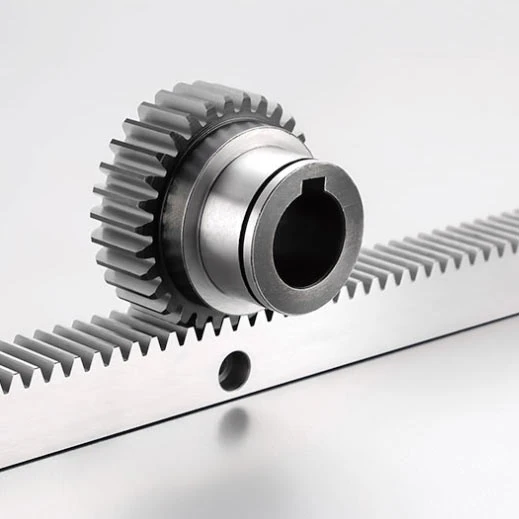
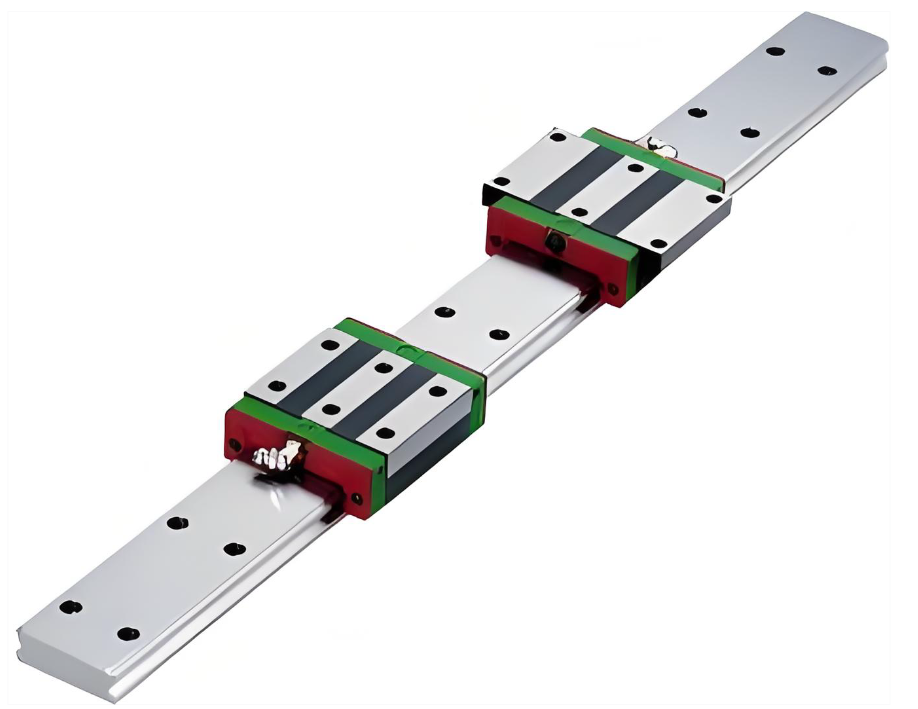
In real-world applications, this combo of linear rails and gear racks delivers something special: reliable positional accuracy with the ability to handle heavier loads. That’s because the linear rail guides the movement along a defined path, while the gear rack provides positive drive engagement — no slipping or lost steps. Frankly, it feels like the backbone of countless robotic arms, CNC machines, and even some packaging lines I've seen on the floor.
Material choices here matter a lot. Most gear racks are constructed from hardened steel, often heat-treated for durability. When paired with high-precision ground linear rails, this yields impressive wear resistance. Many engineers I’ve chatted with emphasize that this combination noticeably extends maintenance intervals — and, you know, less downtime means real money saved.
Testing practices in the industry usually involve cycle life and load endurance. I recall a visit to a manufacturing plant where their standard linear rail with gear rack setup was pushed through over 10,000 cycles without any significant backlash or degradation. These results always remind me how vital it is to buy from reputable vendors who rigorously test their parts.
Customization options are surprisingly flexible too. Gear racks come in different modules or pitches, and rails can be sourced from various profiles depending on stiffness requirements. This makes them adaptable, whether the application demands high speed or heavy-duty load handling.
| Specification | Details |
|---|---|
| Rail Type | High precision ball-bearing linear guide |
| Gear Rack Material | Hardened alloy steel, ground teeth |
| Module (Pitch) | 1.0, 1.5, or 2.0 mm (customizable) |
| Max Load Capacity | Up to 5000 N (varies by model) |
| Accuracy | ±0.02 mm per meter |
| Length Options | Custom lengths up to several meters |
Now, when it comes to choosing a vendor for these components, it’s easy to get overwhelmed. Some offer budget-priced gear racks with decent specs, but the devil’s in testing and material quality. I usually recommend going for suppliers who clearly state hardness values, conduct backlash tests, and provide extensive support for customization. YDMOTION, for example, consistently ranks high in reliability for both linear rails and gear racks — at least based on the feedback I’ve encountered.
| Feature | YDMOTION | Competitor A | Competitor B |
|---|---|---|---|
| Material Hardness (HRC) | 58-62 | 50-55 | 55-58 |
| Backlash (mm) | 0.01 max | 0.03 max | 0.02 max |
| Customization | Extensive | Limited | Moderate |
| Warranty | 2 years | 1 year | 1 year |
| Lead Time | 2-4 weeks | 3-6 weeks | 4-8 weeks |
Before I wrap this up, a quick anecdote: I once worked with a client looking to automate their pick-and-place system, but they struggled with positioning accuracy due to worn-out rack-and-pinion setups. Switching to a rigid linear rail with an accurately machined gear rack changed the game for them — repeatability shot up, and their maintenance crew smiled a little wider. That kind of improvement, you just can’t ignore.
So yeah, if you want something robust, precise, and flexible for your industrial motion needs, the linear rail with gear rack combo is still a sure bet. And frankly, with reliable suppliers out there, integrating these components has never been easier.
In the end, it’s a reminder that even the smallest parts play a big role in the whole machine’s success.
References:
- Industrial Motion Systems Guide, 2022 Edition
- YDMOTION Product Datasheets and Testing Reports, 2023
- Interview with Automation Engineers, Midwest Manufacturing Expo, 2021