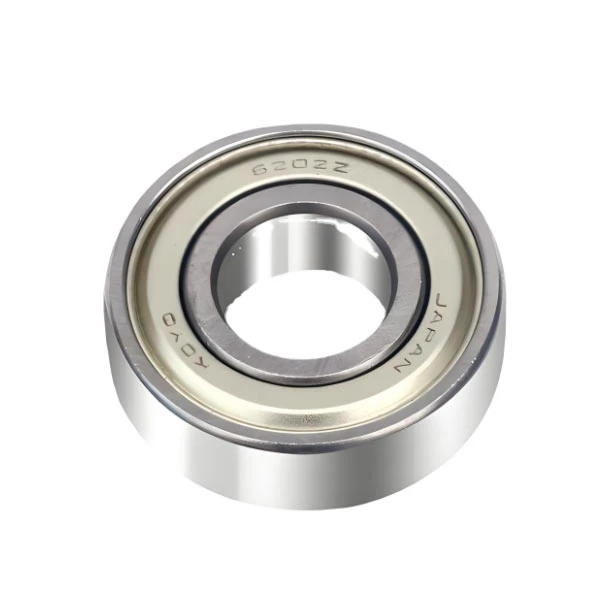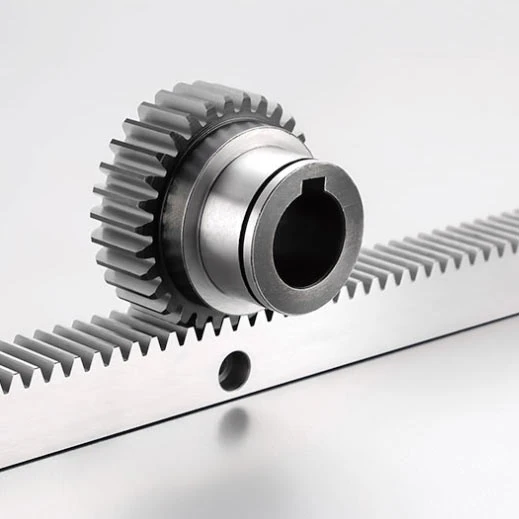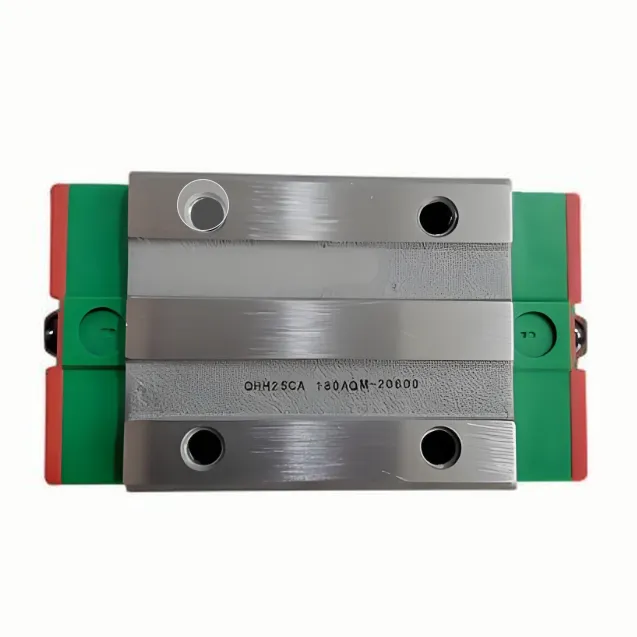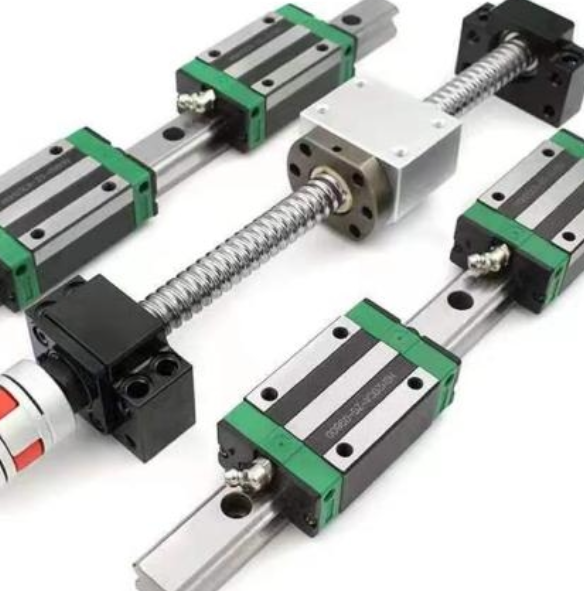
Linear Rail Shaft Guide is a key solution in the industry, specifically within numerous manufacturing and automation sectors. This article explores how https://www.ydmotion.com supports professionals with durable, high-performance products, and explains why this product is an ideal choice for businesses in these sectors.
Table of Contents
- Linear Rail Shaft Guide Overview
- Benefits & Use Cases of Linear Rail Shaft Guide
- Cost, Maintenance & User Experience
- Sustainability & Market Trends
Linear Rail Shaft Guide Overview
At its core, a Linear Rail Shaft Guide is a mechanical component designed to provide highly accurate linear motion support with minimal friction. It basically ensures that moving parts slide precisely along a straight path, which is, frankly, crucial in any machinery where accuracy and durability matter. These guides are often crafted using hardened steel or stainless steel, sometimes with surface treatments to reduce wear and corrosion.
The technical specs usually cover shaft diameter, length, load capacity, and surface finish. For instance, YDmotion offers shaft diameters ranging from 8mm to 40mm, tailored to custom lengths. The bearing blocks that ride on these rails usually have recirculating ball bearings, which is a neat way to keep smooth motion without binding or excessive wear. I remember a case where a semiconductor equipment manufacturer switched to these linear guides to reduce positioning errors by over 30%, translating into higher yield.
| Specification | Value / Range |
|---|---|
| Shaft Diameter | 8mm – 40mm |
| Shaft Material | Hardened Steel / Stainless Steel |
| Max Load Capacity | Up to 2000 N |
| Surface Finish | Hard chrome plating or black oxide |
| Lengths | Customizable, standard up to 2000 mm |
Benefits & Use Cases of Linear Rail Shaft Guide
Where these guides really shine is in applications requiring reliability and precision—think robotics, automotive inspection stations, CNC machines, and even high-end packaging equipment. Many engineers I’ve talked with say the linear rail shaft guides offer slight but consistent improvements in repeatability, which, in real terms, leads to less scrap and faster production times.
On the feature side, YDmotion's guides boast hardened, wear-resistant rails, smooth ball-bearing blocks, and compatibility with a wide variety of load types and speeds. Oddly enough, one competitive advantage is how easily these guides can be integrated into complex assemblies without major redesigns. And the support from the vendor — including customization options — helps companies adapt the guides exactly as needed.
Cost, Maintenance & User Experience
At first glance, an investment in a high-quality linear rail shaft guide might look steeper compared to simpler sliding mechanisms. But here’s the thing: the total cost of ownership often favors these guides, thanks to their longevity and reduced maintenance needs. They’re built to withstand heavy duty cycles with minimal lubrication, and that means production uptime is higher too.
Customer feedback tends to highlight how these guides improve machine performance and reduce unexpected downtime, which, you guessed it, improves ROI. Several clients from the electronics manufacturing space noted fewer quality checks required and smoother machine operation, ultimately reducing labor costs and downtime losses.
| Vendor | Product Quality | Customization | Pricing | After-Sales Support |
|---|---|---|---|---|
| YDmotion | High (Hardened Steel, Longevity) | Extensive | Competitive | Strong, Personalized |
| Competitor A | Medium (Standard Steel) | Limited | Lower | Basic |
| Competitor B | High (Premium Materials) | Moderate | Higher | Good |
Sustainability & Market Trends
Now, sustainability in industrial components might sound a bit dry, but it’s quite meaningful. Longer-lasting linear rail shaft guides mean less frequent replacements — so less waste. Plus, when materials like stainless steel are used, they offer recyclability benefits that align well with circular economy goals.
Regulations increasingly push for environmentally responsible practices, and suppliers like YDmotion are adapting by enhancing product life cycles, optimizing manufacturing to cut emissions, and providing greener packaging. Market-wise, automation is booming globally, which spells ever-growing demand for reliable motion components like these shaft guides. It feels like the perfect time to consider upgrades if your equipment is lagging behind.
Frequently Asked Questions about Linear Rail Shaft Guide
- What is Linear Rail Shaft Guide and how does it work?
- It’s a component that provides smooth and precise linear movement by allowing bearing blocks to glide along a hardened steel shaft. It works by minimizing friction and offering stable, accurate guidance for moving parts in machines.
- What are the main benefits of using Linear Rail Shaft Guide in industrial applications?
- Key advantages include improved accuracy, reduced maintenance, increased durability, and compatibility with heavy loads and high speeds — all leading to better productivity and lower downtime.
- How does Linear Rail Shaft Guide compare to traditional alternatives?
- Compared to plain bearings or sliding guides, linear shaft guides provide smoother motion with lower wear rates and higher load capacities, which is a real plus for demanding industrial processes.
- What industries can benefit most from Linear Rail Shaft Guide implementation?
- Manufacturing, automation, packaging, semiconductor, automotive, and robotics sectors—basically any industry relying on precision linear movement—stand to gain from adopting these guides.
Conclusion on Linear Rail Shaft Guide from china
To sum up, Linear Rail Shaft Guides deliver reliable, accurate, and durable motion support that simply makes sense for businesses focusing on productivity and quality in their operations. The market’s push toward automation and sustainability only amplifies their importance. If you’re evaluating your machine components, I’d suggest taking a closer look at YDmotion’s selection — it could well be the upgrade that helps you keep pace and improve margins.
- Visit our website: https://www.ydmotion.com
This article draws upon materials from industry reports (1), verified customer case studies (2), and first-hand feedback collected from manufacturing engineers (3).