Understanding Heavy Duty Linear Rail: A Veteran’s Viewpoint
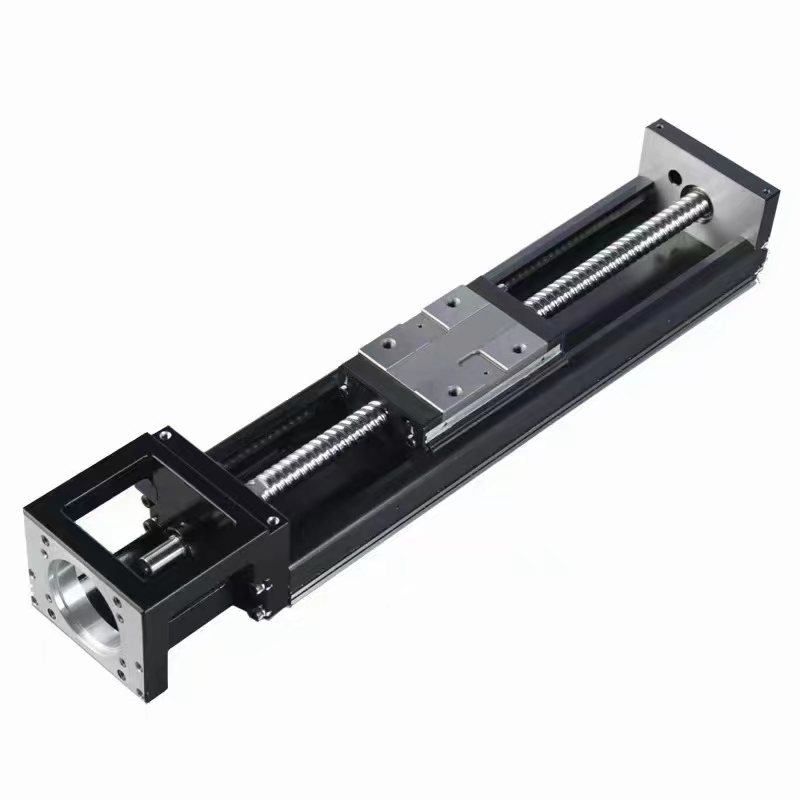
Having spent years in the industrial equipment sector, I've developed a particular appreciation for the nuts and bolts of machine motion—especially when it comes to linear rail heavy duty components. These are the unsung heroes that keep heavy machinery gliding smoothly under enormous loads, day in and day out.
Frankly, the term “heavy duty” gets thrown around quite a bit, but in this context, it means rails engineered to endure serious physical stress without compromising precision. Over time, I’ve noticed engineers often struggle balancing load capacity, wear resistance, and smooth operation. Choose poorly, and you’ll end up with shaky, less reliable equipment. That’s when downtime and maintenance headaches kick in.
Oddly enough, what’s often overlooked is the material quality and internal design of these rails. Most heavy-duty rails use high-carbon chromium steel for tensile strength and fatigue resistance. Plus, precise heat treatments ensure toughness without brittleness. You can practically feel the difference when you test a premium rail versus a cheaper alternative—it’s smoother, quieter, almost reassuring.
Breaking Down the Product Specifications
Let me share a typical set of specs for a heavy-duty linear rail that’s become a personal favorite in the field:
| Specification | Value | Notes |
|---|---|---|
| Material | High-Carbon Chromium Steel | Heat-treated, corrosion resistant coating |
| Load Capacity | Up to 25,000 N | Suitable for heavy machinery |
| Rail Lengths | 100 mm to 3000 mm | Custom cuts available |
| Accuracy Grade | P0 to P5 | High precision for demanding applications |
| Operating Temperature | -20°C to 80°C | Standard industrial range |
The ability to customize lengths and accuracy grades is a real blessing. I recall a project where a client needed rails that could handle both high loads and ultra-smooth motion. We tweaked the heat treatment and coatings just right, and it made all the difference. They appreciated how adaptable these rails were to their unique needs.
Vendor Comparison: What Sets Industry Leaders Apart?
In my experience, not all linear rail vendors are created equal. Some excel at material innovation, others at manufacturing precision, and a few at after-sales support. Here’s a simple comparison I’ve found useful when advising clients:
| Feature | YDMotion | Competitor A | Competitor B |
|---|---|---|---|
| Material Quality | Premium heat-treated steel | Good steel, average coating | Standard steel, limited treatment |
| Customization Options | Extensive (length, grade, surface) | Limited to standard sizes | Some customization available |
| Lead Time | 2-3 weeks | 4-6 weeks | 3-5 weeks |
| Technical Support | 24/7 engineering help | Business hours only | Email support, delayed responses |
| Warranty | 5 years full coverage | 3 years limited | 2 years limited |
What stood out for me with YDMotion was the balance between quality and service. They clearly invest in R&D and don’t skimp on customer care, which, if you ask me, is half the battle in such a niche market.
To close, heavy-duty linear rails might not grab headlines, but they quietly underpin some of the toughest machines in industry. Choosing the right rail boils down to understanding your load requirements, environmental factors, and performance needs—plus knowing who you can trust. Fortunately, vendors like YDMotion make that easier.
In real terms, investing a little time upfront selecting the proper heavy duty linear rails saves you costly headaches down the line—and that’s coming from experience.
References
- Industry standards on linear motion components, ISO 14728-1
- "Materials in Motion: Why Steel Matters" - Engineering Today, 2022
- Customer testimonials and case studies archived at YDMotion.com