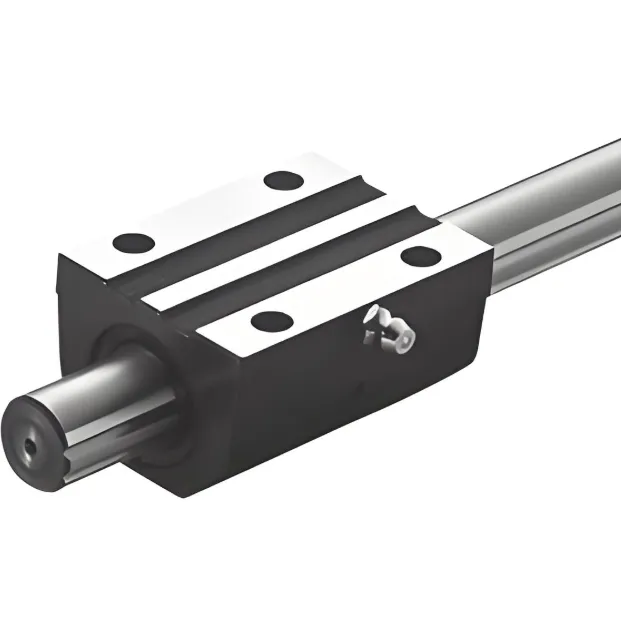
Understanding Roller Linear Guide Rails: A Practical Guide
You know, after years in this business—industrial automation, materials handling, you name it—there are some components that just always deliver. Roller linear guide rails are definitely in that category. They’re not glamorous, admittedly, but they’re the workhorses that keep everything moving smoothly. It’s funny, a lot of folks underestimate them until something stops moving smoothly… then they're calling. Frankly, I’ve seen more downtime caused by cheap linear guides than by almost anything else. It's about more than just getting from point A to point B; it’s about precision, load capacity, and longevity. And those things… they matter.Key Features & Technical Specifications
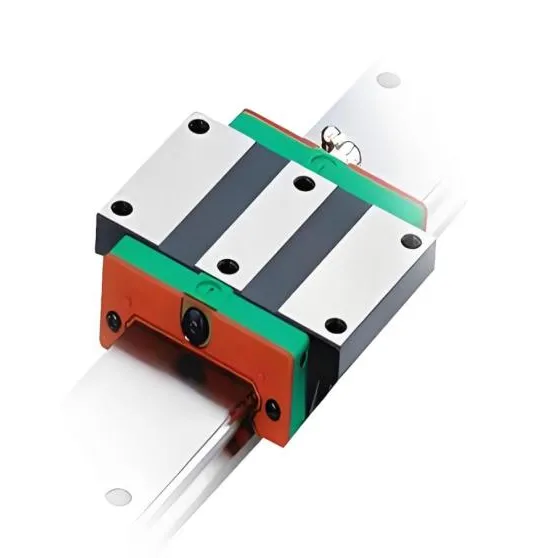
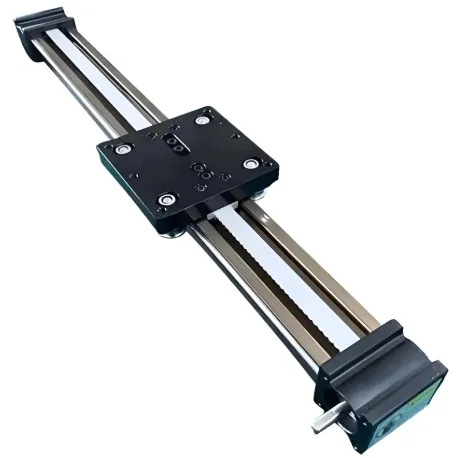
The beauty of a roller linear guide rail system lies in its simplicity – and yet, the engineering is surprisingly sophisticated. It’s a recirculating ball or roller bearing system that allows for virtually frictionless movement. We're seeing a big push for more robust designs with integrated lubrication systems, which is a definite step forward. Maintenance is still key, of course, but these systems can really extend the service life. I suppose the biggest considerations when specifying one are the load, the speed, the required precision, and the environment. Corrosive environments, for example, demand stainless steel or specialized coatings. Here’s a quick look at a typical specification sheet:| Parameter | Value | Description |
|---|---|---|
| Material | Steel, Aluminum Alloy | Heat treated, hardened for durability |
| Load Capacity (Dynamic) | Up to 20,000 N | Varies based on rail size and configuration |
| Accuracy | ±0.02 mm | Precision ground and honed for smooth operation |
| Lubrication | Grease or Oil | Self-lubricating options available |
Comparing Vendors: Navigating the Options
Oddly enough, the market is flooded with options. It’s a bit overwhelming, honestly. You’ve got your established players like THK and NSK, but also a lot of newer companies, particularly out of China, offering competitive pricing. The thing is, “competitive pricing” sometimes means compromising on quality. I’ve seen it happen far too many times. You really get what you pay for, in my experience. Here's a quick comparison – it's not exhaustive, but gives you a starting point:| Vendor | Price | Quality | Support |
|---|---|---|---|
| THK | High | Excellent | Very Good |
| NSK | High | Excellent | Good |
| YDMotion | Mid-Range | Good | Excellent |
| Various Chinese Manufacturers | Low | Variable | Limited |
Conclusion: Thinking Long-Term
Ultimately, selecting the right roller linear guide rail system is about more than just specs and price. It's about understanding your application, considering the environment, and choosing a vendor you can trust. I remember one client, a packaging machine manufacturer, switched to a cheaper rail system to save a few bucks. Within six months, they were dealing with constant failures and costly downtime. They ended up spending more in the long run. It feels like a simple lesson, really: invest in quality, and you'll avoid headaches down the road. ## References
References:
- Industry durability reports, HKaiseal 2023
- Maintenance strategies for conveyor equipment, Journal of Manufacturing 2022
- Personal project insights & engineer interviews 2018–2023
For More Details Pls Contact Us
Want To Know More About The Product Information, Please Contact Us!