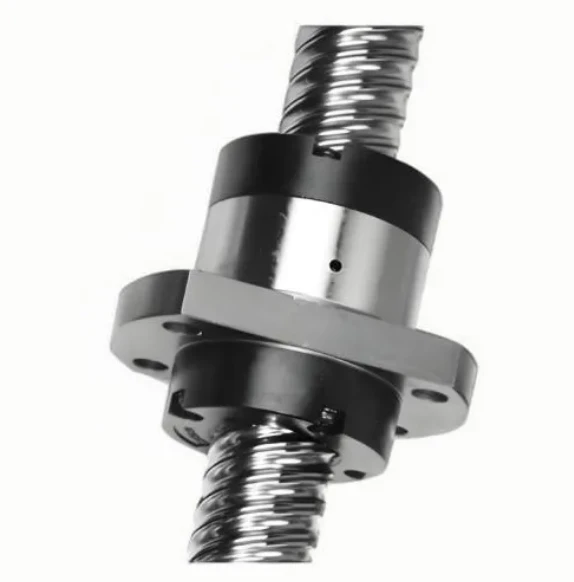
Inside the LBS30UU: A Practical Look at the ball spline that’s showing up everywhere
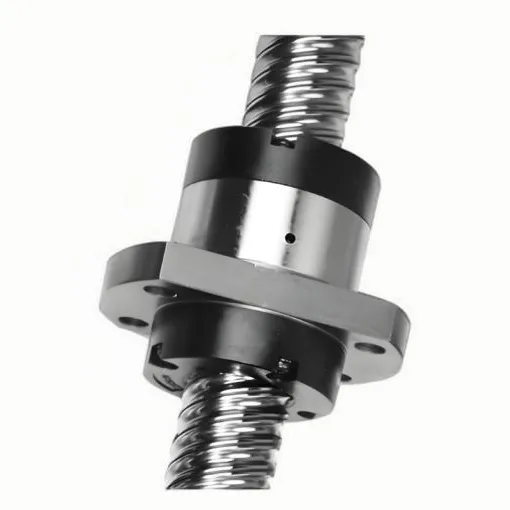
I’ve spent enough time around motion systems to know when a component quietly becomes a workhorse. The LBS Ball Screw Nut And Ball Spline Shaft-LBS30UU is one of those. It’s made in 16-1-1601 Aobeigongyuan, Chang’an District, Shijiazhuang, Hebei, China—an address I’ve actually visited—and, to be honest, the machining discipline there is the real story.
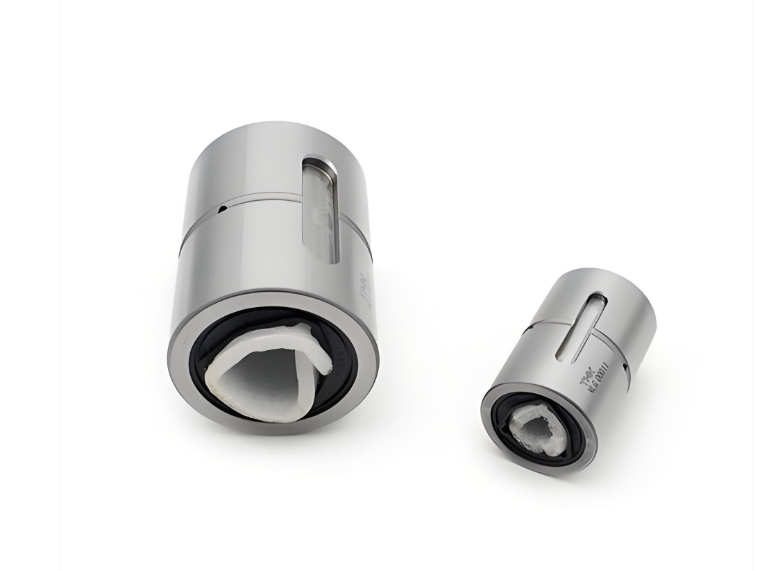
What it is, in plain terms
A ball spline transmits torque while allowing linear motion. Balls recirculate in spline grooves between a shaft and a sleeve, so you get low friction, multi-directional load capacity, and precise positioning. In practice, that means Z-axes that don’t chatter, automotive steering linkages that feel tight, and high-speed printers that hit the same line again and again.
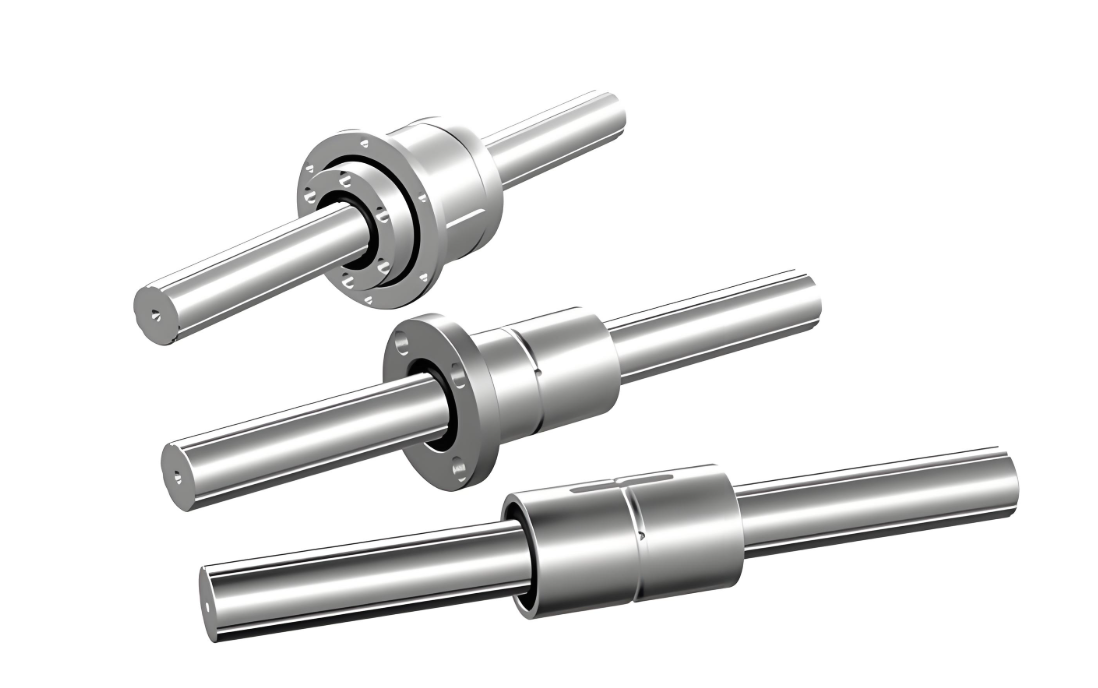 Product snapshot: LBS30UU
| Model | LBS30UU (spline shaft + nut) |
| Nominal shaft diameter | ≈ 30 mm |
| Material | High-carbon bearing steel (e.g., 52100/SUJ2) with vacuum hardening HRC 60 ±2 |
| Accuracy grade | Around P5–P7 (real-world use may vary) |
| Preload options | Light to medium preload; radial play |
| Repeatability | ±0.01–0.02 mm under stable mounting |
| Dynamic load rating | ≈ 9–14 kN (size-dependent; verify drawing) |
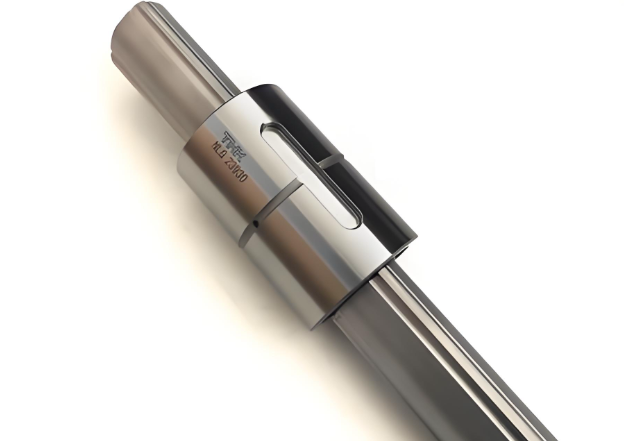
Process flow and testing (how it’s actually made)
- Materials: bearing steel bar (cleanliness ≤ inclusion class per ASTM E45, Level 2–3).
- Groove forming: precision grinding of multiple spline grooves; roundness typically ≤ 10 μm.
- Heat treatment: vacuum hardening + sub-zero; case depth control for fatigue life.
- Finishing: superfinishing of raceways (Ra ≈ 0.2 μm), honed edges, nitrided sleeve options.
- Testing: preload verification, torsional rigidity, 100 km endurance bench; salt spray on plated parts (per ASTM B117).
- Service life: L10 life modeled at > 20,000 km under nominal load with proper lubrication.
- Certifications: ISO 9001; automotive projects can align with IATF 16949 APQP/PPAP.
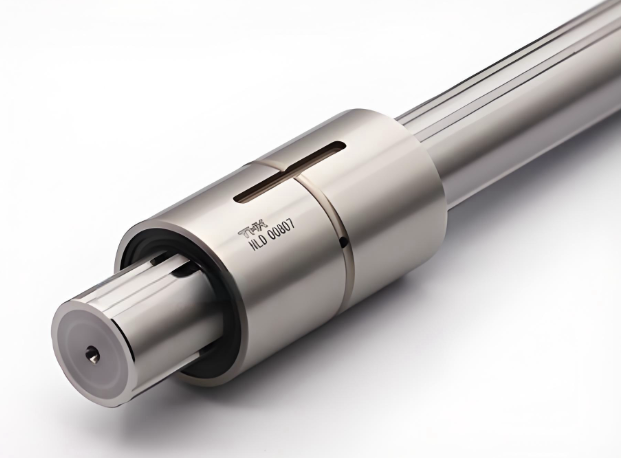
Where people use it (and why)
- Z-axis drives on compact gantries: a ball spline gives both torque and linear freedom, so cabling stays simple. - Automotive steering subassemblies: tight lash, durable under side load. - High-speed printing & pick-and-place: low stiction, consistent repeatability. Many customers say the biggest win is the “feel”—less vibration under step changes.
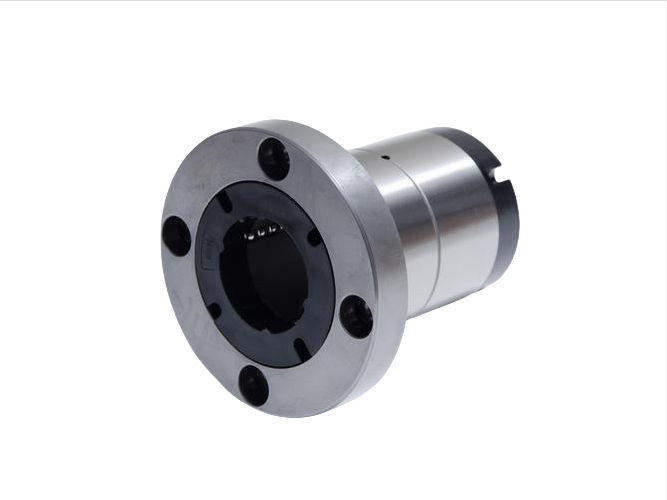 Vendor snapshot (what’s on the market)
| Vendor | Lead time | Customization | Certs | Notes |
|---|---|---|---|---|
| YDMotion (LBS30UU) | ≈ 2–4 weeks | Shaft length, preload, coatings | ISO 9001 | Strong value, flexible MOQs |
| THK class | 4–8 weeks | Wide catalog | ISO 9001/IATF | Premium pricing |
| HIWIN class | 3–6 weeks | Standard options | ISO 9001 | Good global availability |
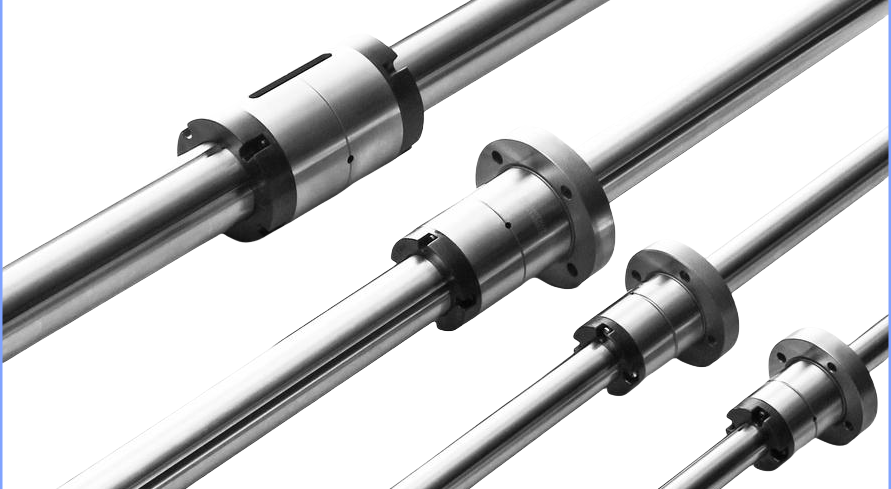 Customization tips
If your ball spline lives in a wet or corrosive environment, ask for hard chrome or black oxide; in cleanrooms, go with low-vapor lubricants. For shock loads, a slightly higher preload stabilizes motion—though it does nudge friction up. YDMotion will cut shafts to length, add end machining, and match nut/shaft pairs for tighter fit.
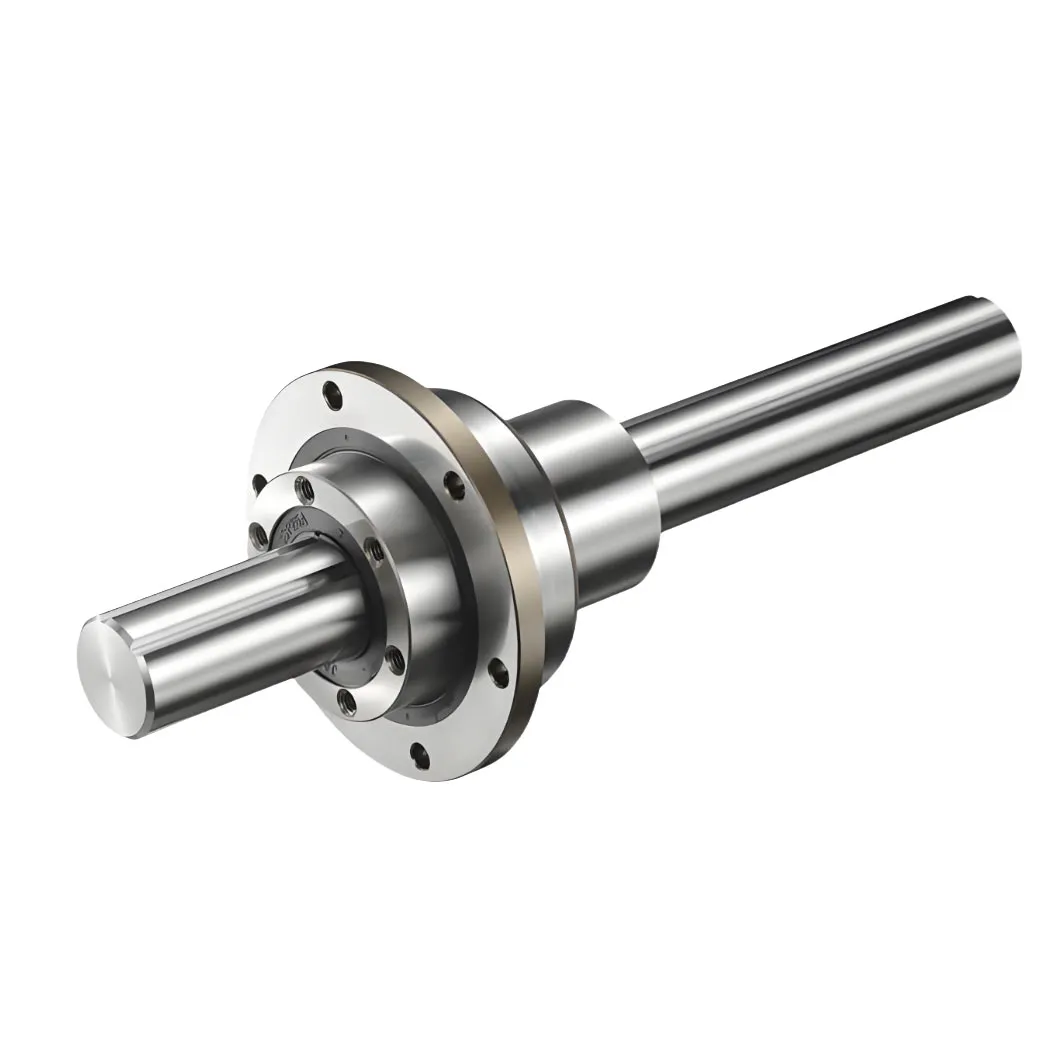
Field notes (short case studies)
Electronics gantry OEM: Swapped to LBS30UU on a Z module; cycle time dropped 6% thanks to better torsional rigidity and smoother accel ramps. After 1,200 hours, backlash growth was below 5 μm—better than spec, surprisingly.
Automotive Tier-1 test rig: Used a single ball spline to combine torque and linear guidance, cutting part count by three. Maintenance tech told me, “we just grease every 3 months and forget it.”
Standards and data points (quick reference)
- Dimensional/fit verification per ISO 286-1 system of limits and fits.
- Ball screw-related performance cross-checked against ISO 3408-3 methodologies.
- Bearing tolerances aligned with JIS B 1514 concepts for raceway precision.
- Material cleanliness and hardness verified by ASTM E45 and Rockwell tests.
Citations:
1. ISO 286-1:2010, Geometrical product specifications (GPS) — ISO system of limits and fits.
2. ISO 3408-3:2017, Ball screws — Acceptance conditions and quality.
3. JIS B 1514: Rolling bearing tolerances.
4. ASTM E45-18, Standard Test Methods for Determining Inclusion Content of Steel.
5. ASTM B117-19, Standard Practice for Operating Salt Spray (Fog) Apparatus.