Understanding the Role of a Bearing Exporter in Global Industry
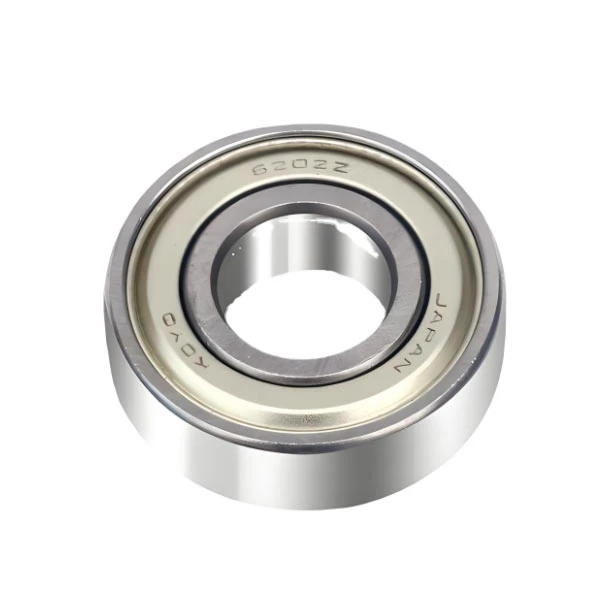
Bearings might not be the flashiest components in the world of industrial manufacturing or transport, but their importance cannot be overstated. Simply put, bearings reduce friction between moving parts, enabling everything from the wheels on your car to massive turbines to spin smoothly. A bearing exporter plays a critical role in distributing these precision components to industries worldwide — ensuring machinery functions reliably and efficiently.
On the surface, exporting bearings sounds straightforward: a physical product shipped across borders. Yet, when you zoom out, it reveals an intricate mesh of technology, logistics, and global demand that impacts sectors from automotive to aerospace. So why exactly does understanding the bearing exporter ecosystem matter?
- Global industry connectivity: Bearings are everywhere, crossing borders constantly. Knowing who ships what, where, and how impacts trade relations and industrial growth.
- Quality assurance: Exporters influence standards by sourcing only high-grade components, which affects machinery lifespan worldwide.
- Supply chain resilience: The pandemic and geopolitical shifts showed us how quickly supply chains can falter — exporters and importers of bearings are critical parts of that delicate balance.
So, let’s unpack the world of bearing export, its facets, and why industries keep leaning on these indispensable players.
The Global Context: Why Bearing Exporters Matter
Globally, the bearing market was valued at over USD 11 billion in 2022 and is projected to grow steadily, driven by increased mechanization and automation (Source: Statista). Countries like Germany, Japan, and China dominate as major exporters, funneling components to developing manufacturing hubs in Southeast Asia, Africa, and South America.
This export movement is more than just numbers; it represents the heartbeat of modern infrastructure. Consider the rise of renewable energy, with wind turbines relying heavily on large-scale bearings — how they get to site and their quality often determines project success.
But there’s a challenge: quality inconsistency and counterfeit parts are a notorious issue in some markets, risking safety and costing end-users millions in downtime. A reliable bearing exporter can mitigate these risks by maintaining rigorous quality controls and certifications aligned with ISO standards (ISO).
Mini takeaway: The bearing exporter is the linchpin that connects precise engineering with real-world applications worldwide, balancing market demand with quality assurance.
What Exactly Is a Bearing Exporter?
In plain terms, a bearing exporter is a company or individual that ships bearings internationally, either as original manufacturers, distributors, or wholesalers. Their job goes beyond simply packaging a product — they ensure that bearings meet the specific mechanical, dimensional, and material requirements for diverse industrial uses.
In modern industry, the bearing exporter acts as a trusted intermediary between manufacturers and end-users, such as automotive plants in Detroit, shipyards in Rotterdam, or mining operations in Chile. They handle everything from sourcing, logistics, customs clearance, to after-sales support.
Humanitarian efforts rely on these exporters, too. For example, in rebuilding infrastructure in disaster zones, equipment depends on bearings supplied quickly and reliably to critical machinery like water pumps and generators.
Core Components that Define Bearing Export Excellence
1. Durability and Material Quality
The heart of any bearing is its ability to withstand mechanical stress, corrosion, and temperature extremes without failure. Bearing exporters carefully select suppliers who use high-grade steel alloys and advanced heat treatments. Oddly enough, even small differences in metallurgy can mean the difference between machinery running smoothly or grinding to a halt.
2. Precision & Standardization
Bearings must fit exactly to prescribed dimensions, often down to microns. Exporters maintain rigorous calibration and quality testing — something very few casual buyers realize. Without such standards, entire production lines could face costly halts.
3. Scalability & Inventory Management
Exporters juggle supply volumes to match varied customers, from small batch replacement parts to bulk orders for assembly lines. Skilled exporters forecast demand and optimize inventory to prevent delays, which is pretty much the Holy Grail in manufacturing.
4. Cost Efficiency & Competitive Pricing
The global bearing market is fiercely competitive. Exporters balance price with quality, leveraging bulk purchasing and well-oiled supply networks to offer attractive pricing without cutting corners.
5. Logistic Expertise & Compliance
Getting bearings across international borders isn’t just about shipping. Exporters navigate customs, tariffs, and sometimes complex regulations depending on the region and product classification.
Real-World Applications: How Bearings Power the World
Bearings shipped internationally influence countless sectors, including:
- Automotive Manufacturing: Bearings streamline engine efficiency and vehicle longevity.
- Renewable Energy: Wind turbines require robust bearings designed to tolerate variable loads and weather conditions.
- Aerospace Engineering: High-precision bearings critical for aircraft safety and performance.
- Industrial Machinery: Factories rely on exported bearings to keep conveyors, pumps, and compressors humming.
- Humanitarian and Reconstruction Efforts: After natural disasters, exporting bearings quickly ensures rebuilding heavy machinery and infrastructure.
Regions like Southeast Asia see massive inflows of bearings as their manufacturing bases grow, while mining industries in South America rely on specialized bearings shipped from Europe and Asia.
Mini takeaway: Whenever you see a smoothly running engine or a reliable factory machine — chances are a bearing exporter had a hand in getting critical parts there on time.
Product Specification Table: Typical Bearing Export Offering
| Specification | Value/Range | Notes |
|---|---|---|
| Bearing Type | Ball, Roller, Tapered, Needle | Common varieties exported |
| Material | Chrome Steel, Stainless Steel, Ceramic | Depends on application and durability |
| Outer Diameter | 10mm – 500mm+ | Covers small to large machinery needs |
| Load Capacity | Up to several tons | Varies by material and type |
| Operating Temperature | -30°C to 120°C standard | High-temp variants available |
| Lubrication Type | Grease, Oil, Solid Film | Determines friction and maintenance |
Comparing Bearing Exporters: What to Look For
| Feature | Exporter A (Japan) | Exporter B (Germany) | Exporter C (China) |
|---|---|---|---|
| Quality Certifications | ISO 9001, JIS | ISO 9001, DIN | ISO 9001, GB/T |
| Average Lead Time | 2-4 weeks | 3-5 weeks | 1-3 weeks |
| Price Competitiveness | Premium | Mid-range | Economical |
| Customization Options | Extensive | Moderate | Limited |
| Global Shipping Capacity | Excellent | Good | Very Good |
Long-Term Benefits of Partnering With the Right Bearing Exporter
What stands out when working with a trusted bearing exporter? The benefits ripple far beyond the initial purchase:
- Reliability: Machinery uptime depends on quality bearings that arrive on schedule.
- Cost Savings: Avoiding machine failures and maintenance reduces operational expenditures.
- Sustainability: Many exporters now incorporate eco-friendly materials and sustainable production, addressing growing environmental concerns.
- Innovative Edge: Some exporters include custom engineering, allowing manufacturers to optimize designs.
Many engineers I've talked to stress that peace of mind controls a huge part of supplier preference — knowing you have a bearing exporter who 'gets your machine' saves headaches.
Future Trends in Bearing Export and Technology
The bearing industry is quietly evolving. Smart bearings with embedded sensors for condition monitoring will reduce unplanned downtime — exporters will be the conduit for these advanced technologies worldwide.
Also, greener materials and manufacturing methods are trending. Some exporters are investing in green manufacturing, which ties into the global push for sustainability and corporate social responsibility (CSR).
Lastly, digitalization of supply chains means exporters will use AI and IoT tech to anticipate needs and speed delivery — making the entire system frictionless (pun intended).
Common Challenges Faced and Solutions in Bearing Export
Despite best efforts, exporters face:
- Counterfeit Parts: Deploying thorough supplier vetting and traceability programs.
- Shipping Delays: Building strategic inventory hubs near major markets.
- Regulatory Complexities: Keeping updated with international trade laws and certifications.
Industry experts recommend more collaborative industry forums to share best practices to overcome these — which, frankly, sounds like the kind of collaboration that will make bearing supply chains more resilient.
Frequently Asked Questions About Bearing Exporters
1. How do I ensure the quality of bearings imported from an exporter?
To guarantee quality, prioritize exporters with strong ISO certifications like ISO 9001 and those who provide material test reports and dimensional certifications. Request samples, conduct independent lab tests if necessary, and check previous client references.
2. Can a bearing exporter customize products for specific industrial needs?
Yes, many exporters partner with manufacturers to deliver customized bearings tailored to load requirements, sizes, and material specifications. This is especially common in aerospace or heavy-duty mining applications.
3. What is the typical lead time when ordering bearings internationally?
Lead times vary from 1 to 5 weeks depending on the exporter’s location, stock availability, and logistics. Planning ahead and maintaining an open line of communication with your exporter helps manage expectations.
4. Are there eco-friendly bearing options available through exporters?
Eco-friendly bearings made from recycled materials or produced with reduced emissions are increasingly available. Check with exporters for green certification and environmentally-conscious product lines.
5. How can NGOs import bearings for humanitarian projects efficiently?
NGOs should partner with bearing exporters experienced in international aid logistics. Many offer expedited shipping, bulk discounts, and technical support to help NGOs deploy machinery quickly and reliably.
Conclusion: The Bearing Exporter’s Role in a Connected World
Bearings might be small parts, but their journey from manufacturer to machinery across continents is a story of precision, trust, and global collaboration. A reliable bearing exporter is much more than a supplier — they’re the backbone of countless industries, infrastructure projects, and even humanitarian missions.
Thinking long-term, partnering with the right exporter means reduced downtime, cost efficiency, and innovation — factors that keep nations and industries moving forward. If you want to explore quality bearing exports and how they can power your project, visit our website for more info.