Understanding Round Linear Guides: A Comprehensive Guide
In the world of precision motion control, round linear guides are fundamental components. These guides enable smooth, accurate, and efficient linear movement in a vast range of applications, from industrial automation to medical devices. This article delves into the specifics of round linear guides, exploring their features, benefits, applications, and considerations for choosing the right solution for your needs. Whether you’re an engineer, designer, or simply looking to understand this crucial technology, this guide provides valuable insights.
What are Round Linear Guides?
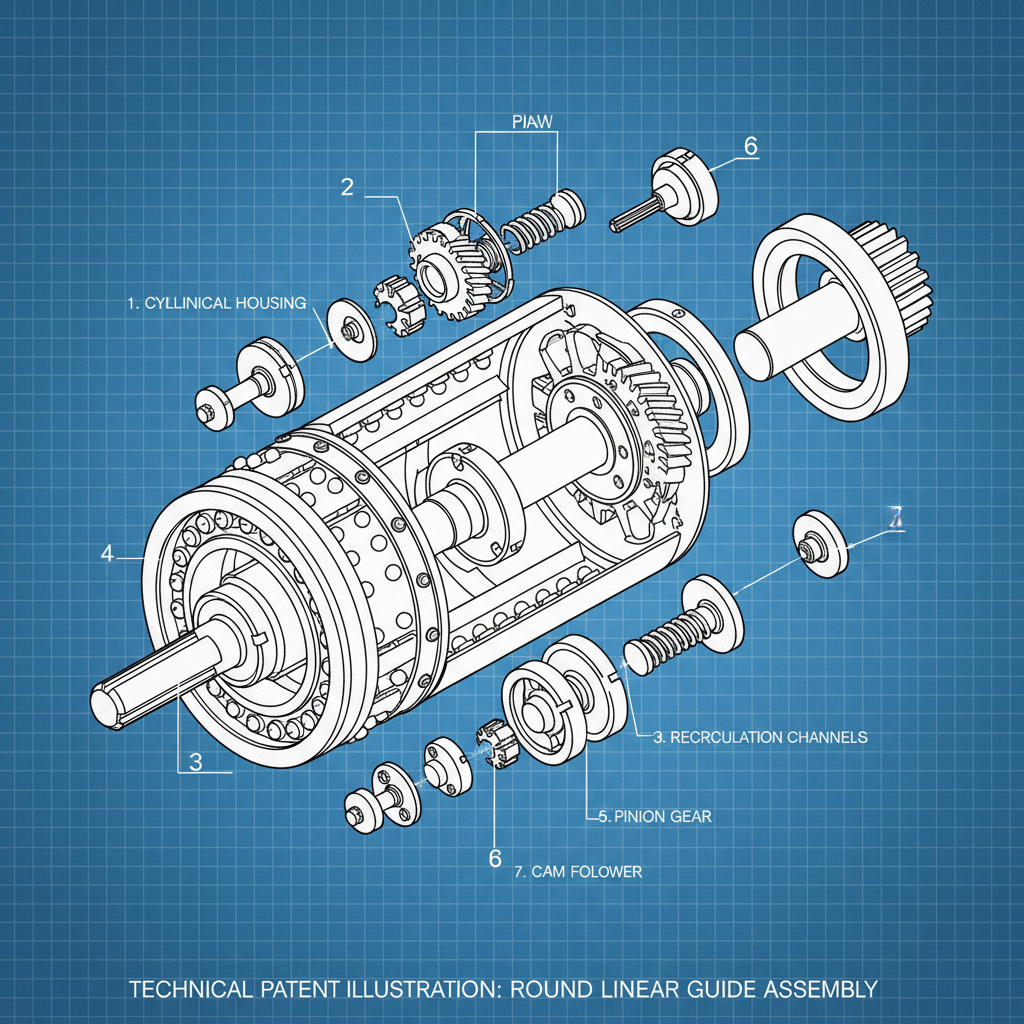
Round linear guides, also known as shaft guides, consist of a shaft (or rail) and a bearing block. The bearing block houses multiple ball bearings or rollers that make contact with the shaft, enabling linear motion. Unlike some other linear motion systems, round linear guides offer a relatively simple design, making them cost-effective and easy to integrate. They are primarily used for lower to medium load applications where high precision is essential. YD Motion specializes in providing high-quality round linear guides tailored to diverse industry needs.
Key Benefits: Simplicity, cost-effectiveness, smooth motion, and ease of integration.
Applications of Round Linear Guides
The versatility of round linear guides makes them ideal for a broad spectrum of applications. In the 3D printing industry, they provide the precision needed for accurate print head movement. Robotics utilizes these guides for joint articulation and linear axes. Medical equipment, such as diagnostic scanners and surgical robots, rely on their smooth, controlled motion. Furthermore, they're commonly found in automated machinery, pick-and-place systems, and various DIY projects requiring linear movement. YD Motion’s guides are designed to meet the rigorous demands of these diverse applications.
Common Applications:
• 3D Printers
• Robotics
• Medical Devices
• Automated Machinery
Round Linear Guides vs. Other Linear Motion Systems
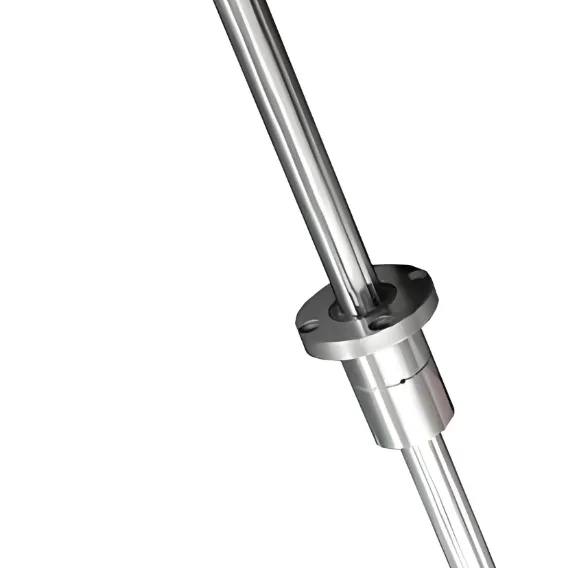
While round linear guides are an excellent choice for many applications, it's important to understand how they compare to other linear motion systems. Profile rail guides offer higher load capacity and rigidity but are more complex and expensive. Ball screws provide extremely high precision and load capacity, but they are often slower and require more maintenance. V-groove guides offer a cost-effective alternative, but generally provide less precision than round linear guides. The optimal choice depends on the specific requirements of your application. Choosing the right solution involves balancing performance, cost, and complexity.
Selecting the Right Round Linear Guide
When choosing a round linear guide, consider several key factors. First, determine the load capacity required for your application. Second, assess the desired precision and smoothness of motion. Third, consider the operating environment and any potential contaminants. Finally, select a shaft diameter and bearing block style that meets your specific needs. YD Motion offers a comprehensive range of options and expert guidance to help you select the perfect guide for your application.
Maintenance and Longevity
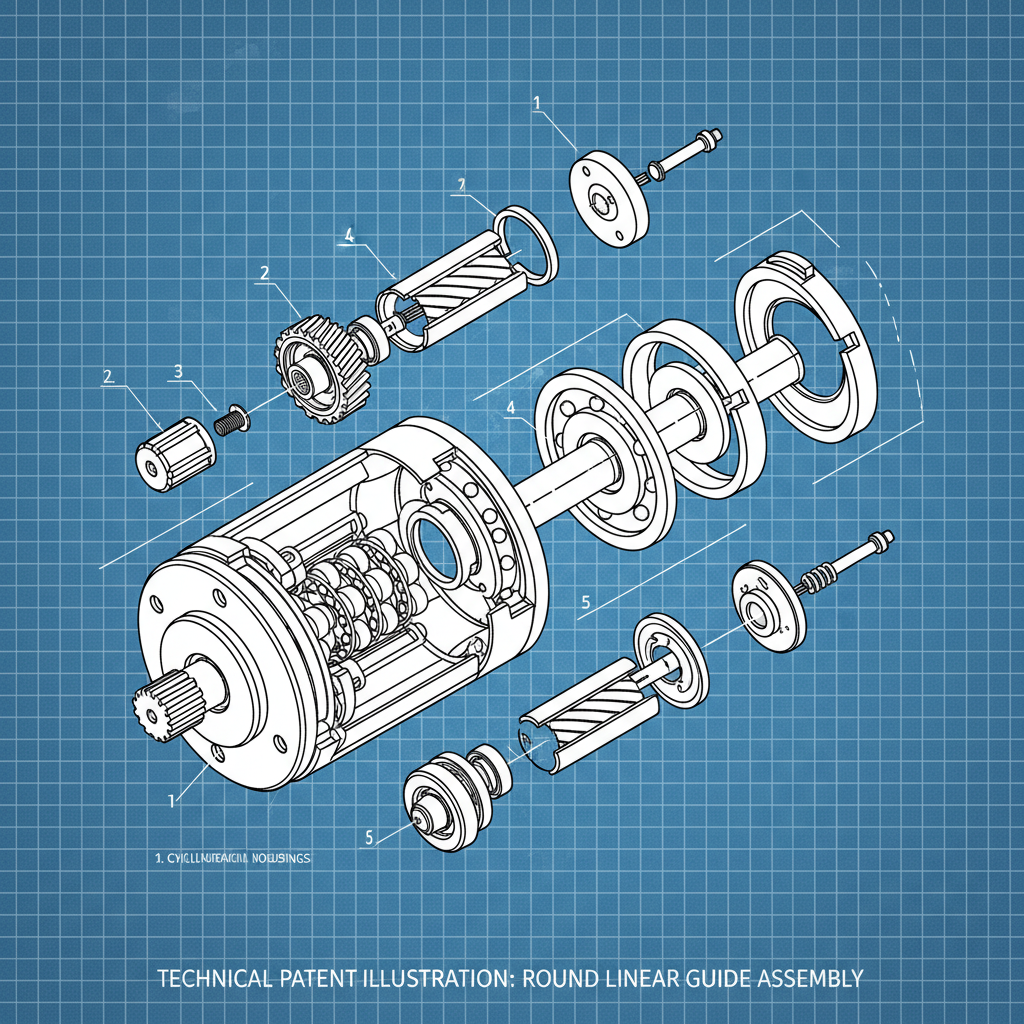
Proper maintenance is crucial for maximizing the lifespan and performance of round linear guides. Regular lubrication is essential to reduce friction and wear. Keep the guides clean and free from debris. Periodically inspect the bearing blocks for signs of damage or looseness. By following these simple maintenance practices, you can ensure smooth, reliable operation for years to come. Investing in high-quality guides from a reputable supplier, like YD Motion, also contributes significantly to long-term reliability.
Conclusion: The Importance of Choosing the Right Linear Guide
Selecting the correct round linear guide is vital for achieving optimal performance and reliability in your application. By carefully considering load capacity, precision requirements, and environmental factors, you can ensure a successful and long-lasting solution. YD Motion is dedicated to providing high-quality guides and expert support to meet your specific needs.
Frequently Asked Questions (FAQs)
What is the typical load capacity of round linear guides?
The load capacity of round linear guides varies significantly depending on the shaft diameter, bearing block design, and material. Generally, smaller diameter shafts are suitable for lighter loads, while larger diameter shafts can handle heavier loads. Dynamic load capacity refers to the load the guide can handle while in motion, while static load capacity refers to the maximum load it can support when stationary. YD Motion provides detailed load capacity specifications for all its round linear guides, allowing you to select the optimal solution for your application. It’s important to consider both dynamic and static loads in your selection.
What materials are round linear guides made from?
The shafts of round linear guides are typically made from high-carbon steel that is hardened and precision ground to ensure a smooth, accurate surface. Bearing blocks are often constructed from aluminum alloy or steel, with the rolling elements (balls or rollers) made from bearing steel. The material selection depends on the desired load capacity, operating environment, and cost considerations. YD Motion offers round linear guides constructed from various materials to meet different application requirements.
How do I lubricate round linear guides?
Proper lubrication is critical for ensuring smooth operation and maximizing the lifespan of round linear guides. The lubrication method depends on the application and operating environment. Common methods include manual greasing, automatic lubrication systems, and oil baths. The lubricant should be compatible with the guide materials and designed for linear motion applications. YD Motion recommends using a high-quality lithium-based grease for optimal performance.
Are round linear guides suitable for high-speed applications?
Round linear guides can be used in high-speed applications, but it’s important to consider several factors. The shaft diameter, bearing block design, and lubrication method all play a role. Higher speeds generally require smaller diameter shafts and lighter bearing blocks to reduce inertia. Proper lubrication is also crucial for minimizing friction and heat buildup. YD Motion offers specialized round linear guides designed for high-speed applications.