Understanding UCP Bearing Fundamentals in Industrial Equipment
Having spent years crawling under conveyor lines and checking machines, I've come to appreciate how crucial a simple yet reliable component like the UCP bearing really is. Honestly, it’s one of those parts you almost forget about—until it lets you down.
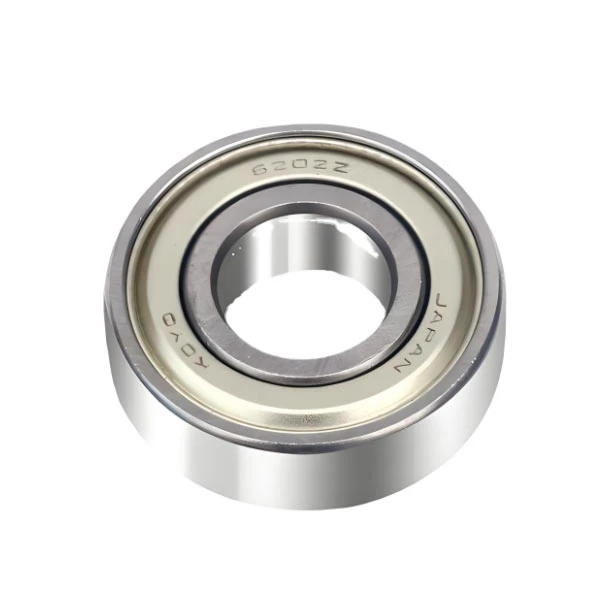
Mounted bearings, or UCP bearings to us industrial vets, hold shafts in place, reduce friction, and absorb loads in conveyor systems, agricultural machines, and countless other mechanical setups. Their design is pretty straightforward, but there’s more nuance in how they’re built and what materials they’re made from than you might first guess.
Out in the field, I see engineers wrestling with harsh environments—dust, moisture, uneven loads. This is where UCP bearings earn their stripes. Bearings with better seals and tougher housings tend to last longer, saving downtime that can spiral costs quickly.
Key Specifications That Matter in Choosing UCP Bearings
At the heart of the matter? Understanding what specs impact lifespan and performance. It’s not just about the inner diameter matching the shaft – you also want to consider:
- Material of the bearing rings and balls (chrome steel is standard, stainless for corrosion resistance).
- Seal type – rubber seals or metal shields, depending on your contamination risks.
- Housing construction – cast iron is reliable, but lighter alternatives exist.
- Load ratings for both radial and axial forces.
- Mounting options and fit tolerances.
| Specification | Typical Value | Comment |
|---|---|---|
| Bore Diameter | 15mm - 50mm | Common shaft sizes in conveyors |
| Housing Material | Cast Iron | Durable and good vibration damping |
| Seal Type | Rubber Seal | Protects from dust and moisture |
| Radial Load Rating | 1500 N - 6000 N | Depends on size and model |
| Operating Temperature | -20°C to +80°C | Suitable for most industrial uses |
Choosing the Right Supplier: A Quick Vendor Comparison
In my experience, the quality of bearings can vary wildly. And strange as it sounds, price doesn’t always tell the full story. It’s about how consistent their tolerances are, how responsive the customer service is, and frankly, how easy they make your life when it comes to lead times.
| Supplier | Quality | Availability | Customer Support | Price Range |
|---|---|---|---|---|
| YDMotion | High – consistent ISO certified | Excellent – fast shipping | Responsive, knowledgeable | Competitive |
| Brand X | Medium – some variability | Moderate – average turnaround | Limited support options | Lower |
| Supplier Y | High – premium products | Variable – depends on order | Good but slow response times | High |
If you ask me, working with a well-established brand like YDMotion makes life just easier. Their products are reliable, you rarely face nonsense delays, and the customer support folks seem to actually care—which is more than you can say for some vendors out there. That counts for a lot when you’re staring at a production line down.
Final Thoughts on UCP Bearings
So, in real terms, a good UCP bearing does more than just spin smoothly. It’s a cornerstone for machine reliability and longevity. Over the years, I noticed that the little things in the design—like the quality of the seals or the precision of the bearing fit—turn into big savings and less headache down the road.
Next time you’re picking out bearings, don’t just go for the cheapest option or the “standard” choice—think about where the bearing will operate, the loads it will face, and how easy it will be to replace or service it. That’s the kind of foresight that keeps equipment running and managers (and techs) sane.
Anyway, that’s my two cents on UCP bearing basics. Hope it helps, and if you want solid kit, those folks are a good place to start...
References & Reflections
- Industrial Bearing Handbook, 2023 Edition - Real-World Bearings for Conveyors
- Personal experience working with multiple conveyor manufacturers, 2015-2023
- YDMotion product catalog and technical support interviews, 2024