The Uncompromising Standards of 3-Axis Modules
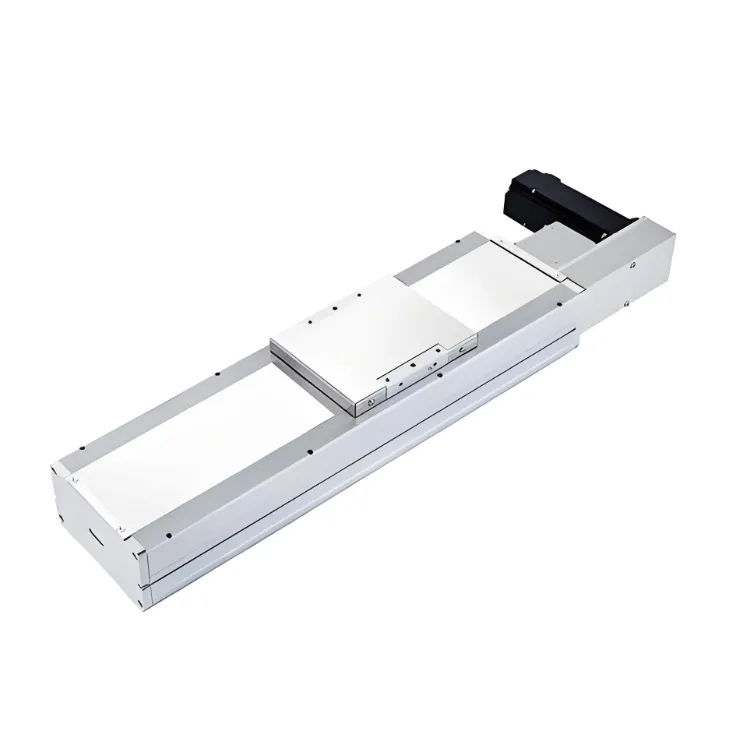
In the realm of industrial automation, precision is non-negotiable. 3-axis linear modules representan el pináculo de la tecnología de control de movimiento, diseñados para cumplir con los estándares más exigentes en fabricación, robótica y más. Estos módulos, que comprenden los ejes X, Y y Z, ofrecen precisión, repetibilidad y velocidad a nivel de micras, lo que los hace indispensables para tareas que requieren un movimiento impecable, como el mecanizado CNC, el ensamblaje de semiconductores y las operaciones de recogida y colocación de alta velocidad.
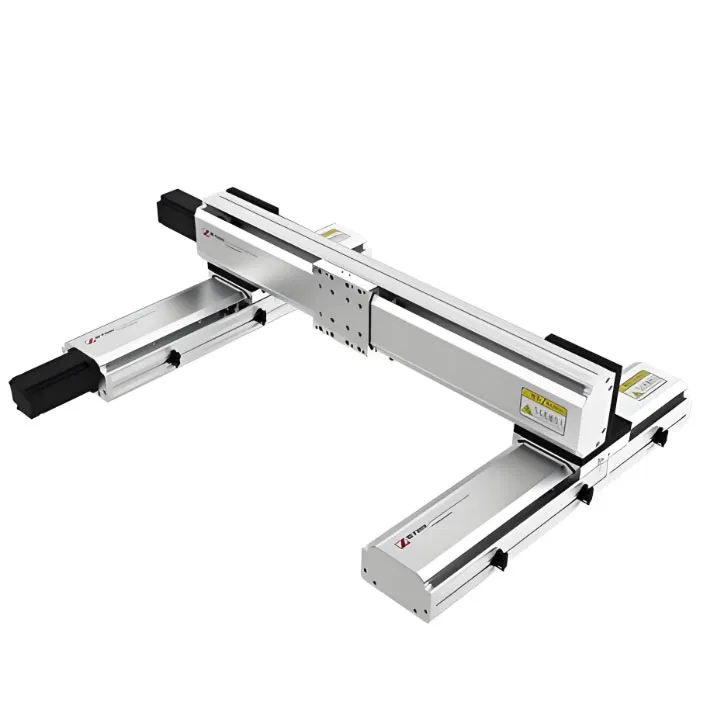
Leer más sobre YIDI Linear 3-AXIS Module
Core Functional Advantages
1. Precision Redefined
The core advantage of 3-axis modules lies in their ability to translate digital commands into physical motion with near-perfect fidelity. Advanced servo motors, ball screw mechanisms, and linear guides work in harmony to achieve 0.01mm positioning accuracy, asegurando que cada movimiento se alinee con la intención del diseño. Este nivel de precisión elimina el desperdicio, reduce el retrabajo y mejora la consistencia del producto, algo fundamental en industrias como la aeroespacial y la fabricación de dispositivos médicos.
Key functional features include:
- Customizable Stroke Lengths: Available in a wide range of stroke lengths to accommodate diverse application scenarios.
- Adaptive Load Capacity: Engineered to handle varying load requirements, ensuring optimal performance across different industrial settings.
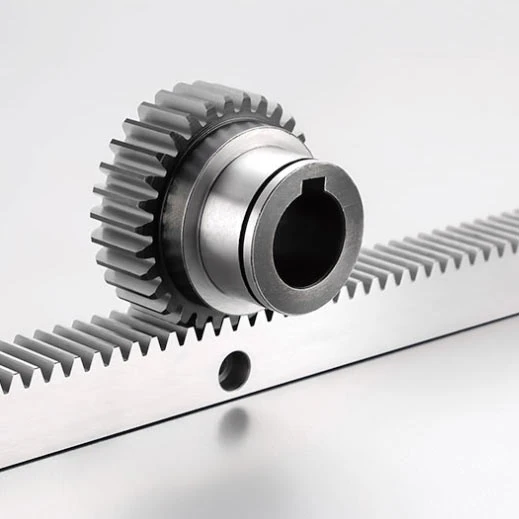
- Multiple Drive Modes: Supports ball screw, synchronous belt, and gear rack configurations to suit specific operational needs.
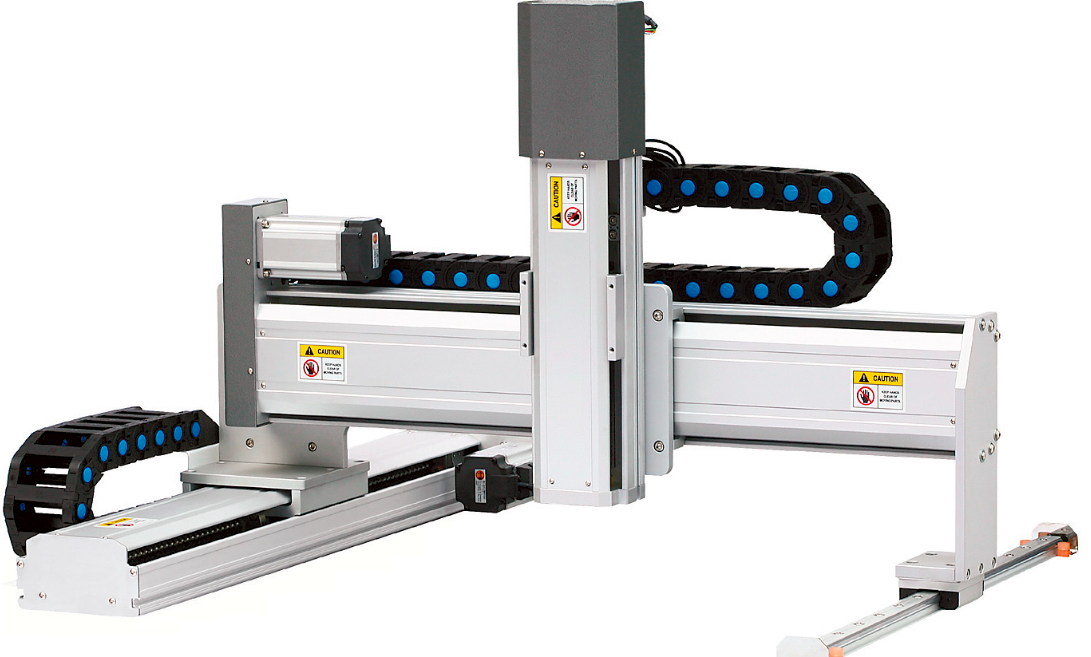
Leer más sobre Módulo lineal
Especificaciones técnicas
| Parámetro | Especificación |
|---|---|
| Modelo | KK86, KK60 |
| Rango de carrera | 50 mm - 2000 mm |
| Capacidad de carga | 100N-5000N |
| Modos de conducción | Ball Screw, Synchronous Belt, Gear Rack |
| Precisión | ±0.02mm (ball screw mode) |
| Rango de velocidad | 5 - 100 mm/s |
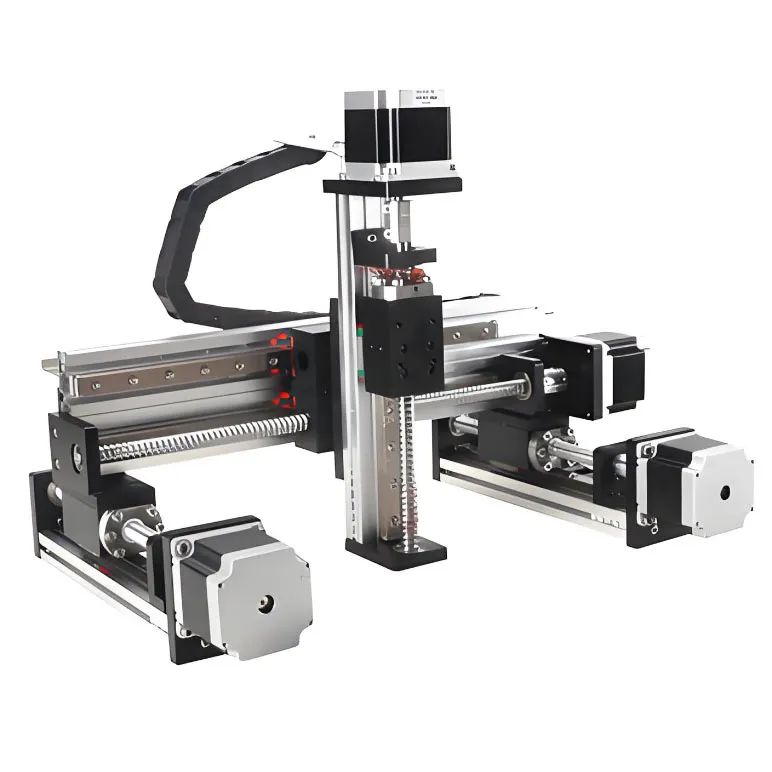
Leer más sobre Módulo lineal
2. Adaptability Across Industries
Unlike rigid automation systems, 3-axis modules are highly configurable. They can be integrated into existing production lines or scaled for custom applications. For example:
-
Electrónica: Enabling precise PCB component placement in compact spaces.
-
Automotor: Facilitating robotic welding with flawless trajectory control.
-
Farmacéutico: Ensuring sterile fill-finish operations with zero contamination risk.
This versatility stems from modular designs that allow engineers to tailor speed, load capacity, and stroke length to specific needs.
3. The Future of Motion Control
As Industry 4.0 evolves, 3-axis modules are becoming smarter. Embedded sensors and IoT connectivity enable real-time performance monitoring, predictive maintenance, and adaptive adjustments. Some models now incorporate AI-driven path optimization, further reducing cycle times and energy consumption. This convergence of mechanical precision and digital intelligence heralds a new era of "self-correcting" automation.
Conclusión
Conclusion: Perfection as a Benchmark
Para ingenieros y fabricantes, los módulos de 3 ejes son más que componentes: son la encarnación de estándares estrictos. Desde su inicio hasta sus versiones futuras, estos módulos continúan superando los límites de lo posible, demostrando que en la automatización, la perfección no es un destino sino una búsqueda perpetua.
Referencias
NIST. (2023). Advanced Manufacturing Technology. Retrieved from https://www.nist.gov