The Uncompromising Standards of 3-Axis Modules
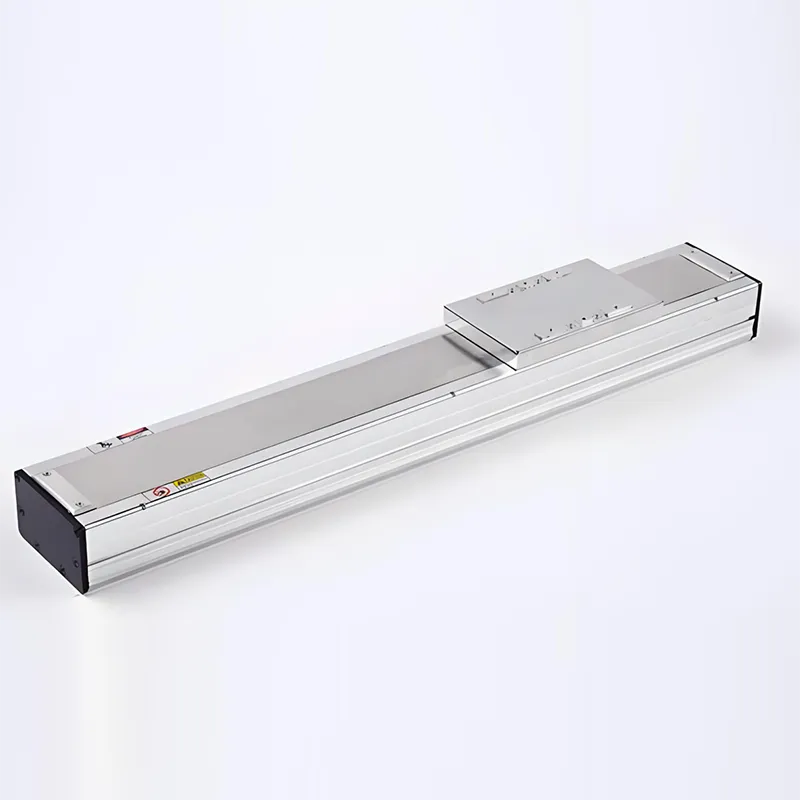
In the realm of industrial automation, precision is non-negotiable. 3-axis linear modules kumakatawan sa tuktok ng teknolohiya sa pagkontrol ng paggalaw, na ininhinyero upang matugunan ang mga pinaka-hinihingi na pamantayan sa pagmamanupaktura, robotics, at higit pa. Ang mga module na ito—na binubuo ng X, Y, at Z axes—ay naghahatid ng katumpakan, repeatability, at bilis sa antas ng micron, na ginagawa itong kailangang-kailangan para sa mga gawaing nangangailangan ng walang kamali-mali na paggalaw, gaya ng CNC machining, semiconductor assembly, at high-speed pick-and-place operations.
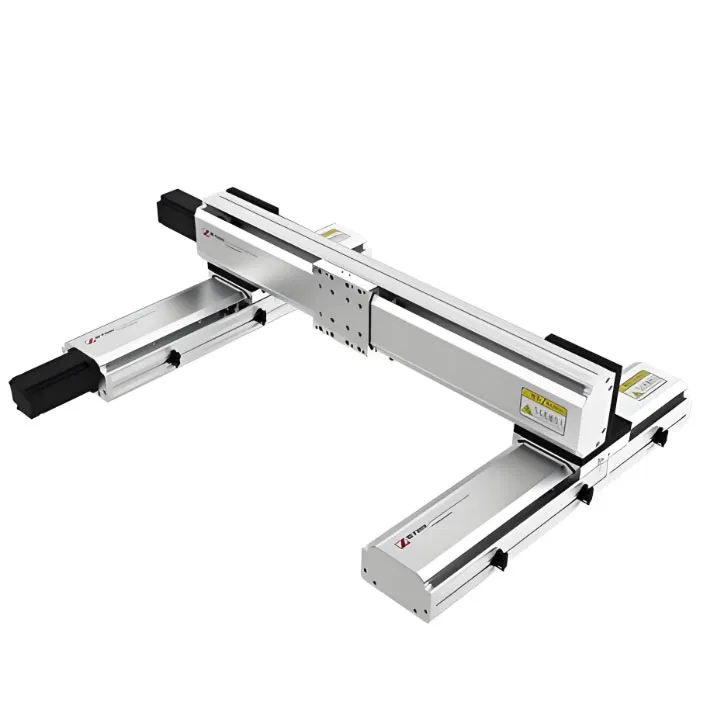
Magbasa pa Tungkol sa YIDI Linear 3-AXIS Module
Core Functional Advantages
1. Precision Redefined
The core advantage of 3-axis modules lies in their ability to translate digital commands into physical motion with near-perfect fidelity. Advanced servo motors, ball screw mechanisms, and linear guides work in harmony to achieve 0.01mm positioning accuracy, tinitiyak na ang bawat paggalaw ay naaayon sa layunin ng disenyo. Ang antas ng katumpakan na ito ay nag-aalis ng basura, binabawasan ang muling paggawa, at pinapahusay ang pagkakapare-pareho ng produkto—na kritikal sa mga industriya tulad ng aerospace at pagmamanupaktura ng medikal na device.
Key functional features include:
- Customizable Stroke Lengths: Available in a wide range of stroke lengths to accommodate diverse application scenarios.
- Adaptive Load Capacity: Engineered to handle varying load requirements, ensuring optimal performance across different industrial settings.
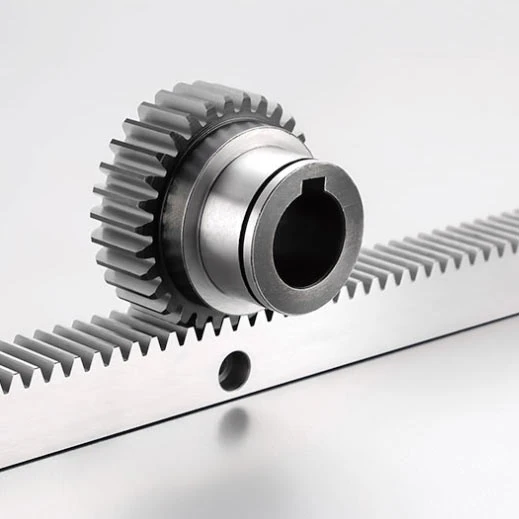
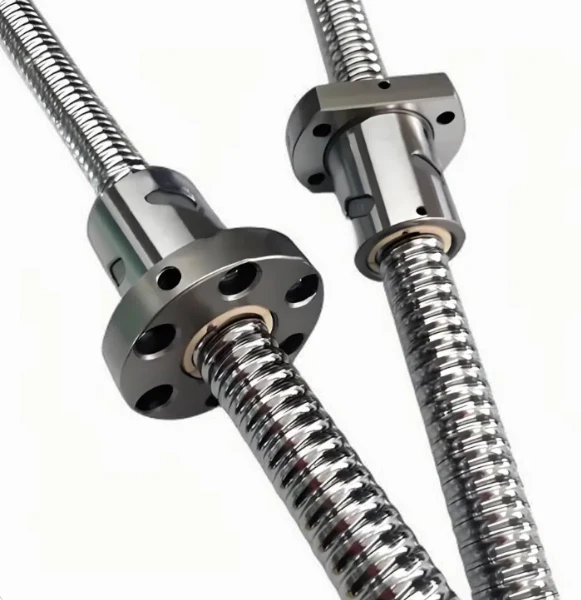
- Multiple Drive Modes: Supports ball screw, synchronous belt, and gear rack configurations to suit specific operational needs.
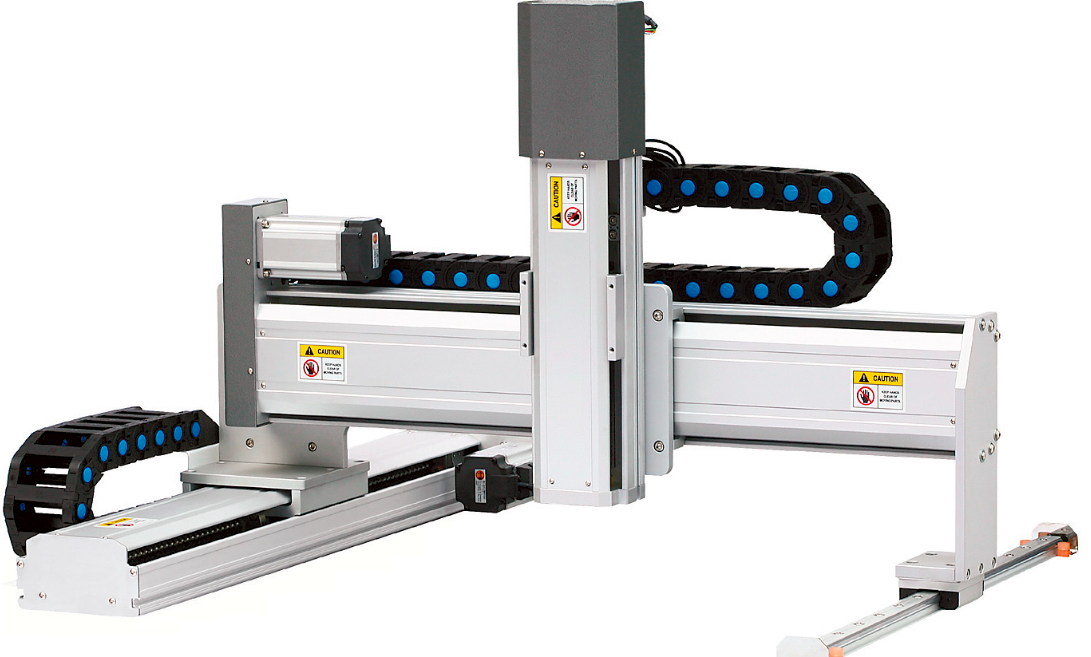
Magbasa pa Tungkol sa Linear Module
Teknikal na Pagtutukoy
| Parameter | Pagtutukoy |
|---|---|
| Modelo | KK86, KK60 |
| Saklaw ng Stroke | 50mm - 2000mm |
| Load Capacity | 100N - 5000N |
| Mga Mode ng Pagmamaneho | Ball Screw, Synchronous Belt, Gear Rack |
| Katumpakan | ±0.02mm (ball screw mode) |
| Saklaw ng Bilis | 5 - 100mm/s |
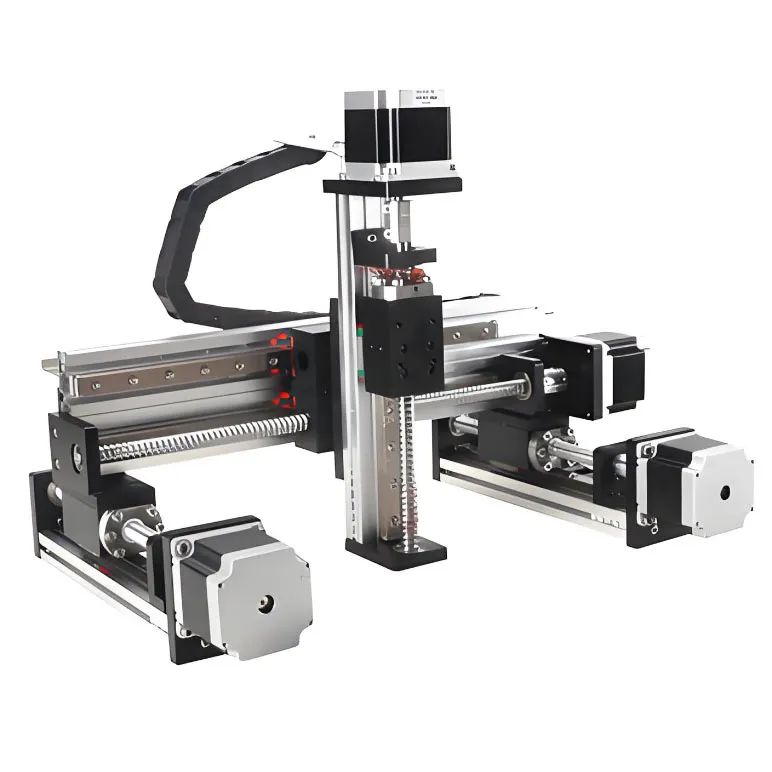
Magbasa pa Tungkol sa Linear Module
2. Adaptability Across Industries
Unlike rigid automation systems, 3-axis modules are highly configurable. They can be integrated into existing production lines or scaled for custom applications. For example:
-
Electronics: Enabling precise PCB component placement in compact spaces.
-
Automotive: Facilitating robotic welding with flawless trajectory control.
-
Pharmaceutical: Ensuring sterile fill-finish operations with zero contamination risk.
This versatility stems from modular designs that allow engineers to tailor speed, load capacity, and stroke length to specific needs.
3. The Future of Motion Control
As Industry 4.0 evolves, 3-axis modules are becoming smarter. Embedded sensors and IoT connectivity enable real-time performance monitoring, predictive maintenance, and adaptive adjustments. Some models now incorporate AI-driven path optimization, further reducing cycle times and energy consumption. This convergence of mechanical precision and digital intelligence heralds a new era of "self-correcting" automation.
Konklusyon
Conclusion: Perfection as a Benchmark
Para sa mga inhinyero at tagagawa, ang mga 3-axis na module ay higit pa sa mga bahagi—ang mga ito ang sagisag ng mga hindi kompromiso na pamantayan. Mula sa kanilang pagsisimula hanggang sa kanilang mga pag-ulit sa hinaharap, ang mga module na ito ay patuloy na itinutulak ang mga hangganan ng kung ano ang posible, na nagpapatunay na sa automation, ang pagiging perpekto ay hindi isang destinasyon ngunit isang panghabang-buhay na pagtugis.
Mga sanggunian
NIST. (2023). Advanced Manufacturing Technology. Retrieved from https://www.nist.gov