The Uncompromising Standards of 3-Axis Modules
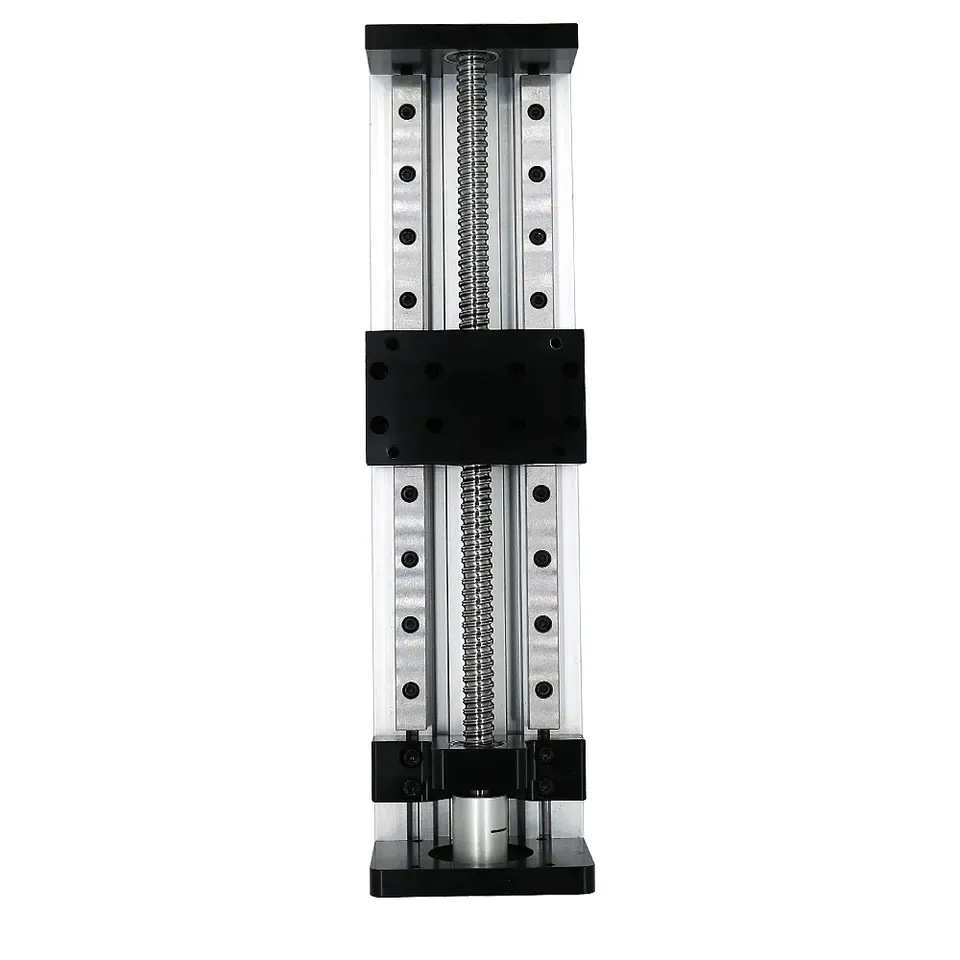
In the realm of industrial automation, precision is non-negotiable. 3-axis linear modules เป็นตัวแทนของจุดสุดยอดของเทคโนโลยีควบคุมการเคลื่อนไหว ซึ่งได้รับการออกแบบมาเพื่อตอบสนองมาตรฐานที่ต้องการมากที่สุดในด้านการผลิต หุ่นยนต์ และอื่นๆ โมดูลเหล่านี้ซึ่งประกอบด้วยแกน X, Y และ Z ให้ความแม่นยำ ระดับไมครอน ความสามารถในการทำซ้ำ และความเร็ว ทำให้เป็นสิ่งที่ขาดไม่ได้สำหรับงานที่ต้องการการเคลื่อนไหวที่ไร้ที่ติ เช่น การตัดเฉือน CNC การประกอบเซมิคอนดักเตอร์ และการดำเนินการหยิบและวางด้วยความเร็วสูง
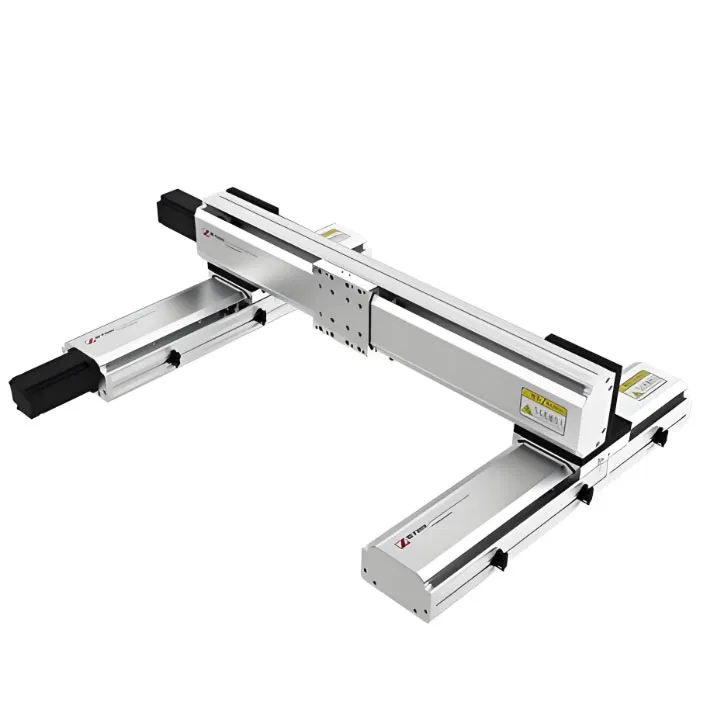
อ่านเพิ่มเติมเกี่ยวกับ YIDI Linear 3-AXIS Module
Core Functional Advantages
1. Precision Redefined
The core advantage of 3-axis modules lies in their ability to translate digital commands into physical motion with near-perfect fidelity. Advanced servo motors, ball screw mechanisms, and linear guides work in harmony to achieve 0.01mm positioning accuracyเพื่อให้มั่นใจว่าทุกการเคลื่อนไหวสอดคล้องกับความตั้งใจในการออกแบบ ความแม่นยำระดับนี้ช่วยลดของเสีย ลดการทำงานซ้ำ และเพิ่มความสม่ำเสมอของผลิตภัณฑ์ ซึ่งมีความสำคัญอย่างยิ่งในอุตสาหกรรมต่างๆ เช่น การผลิตการบินและอวกาศและอุปกรณ์ทางการแพทย์
Key functional features include:
- Customizable Stroke Lengths: Available in a wide range of stroke lengths to accommodate diverse application scenarios.
- Adaptive Load Capacity: Engineered to handle varying load requirements, ensuring optimal performance across different industrial settings.
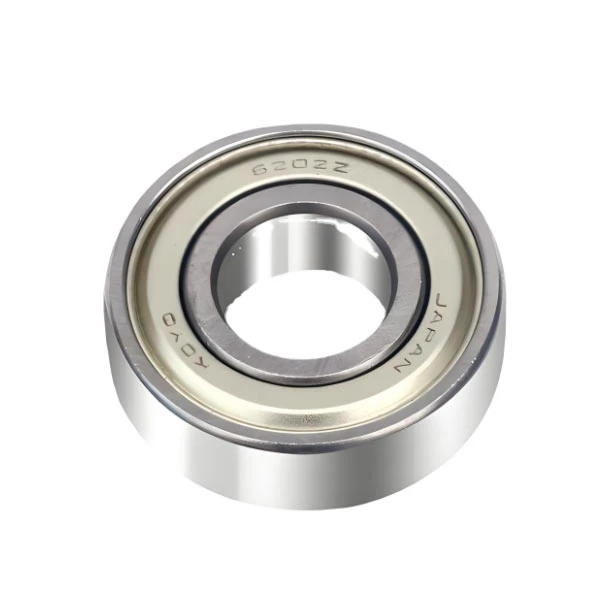
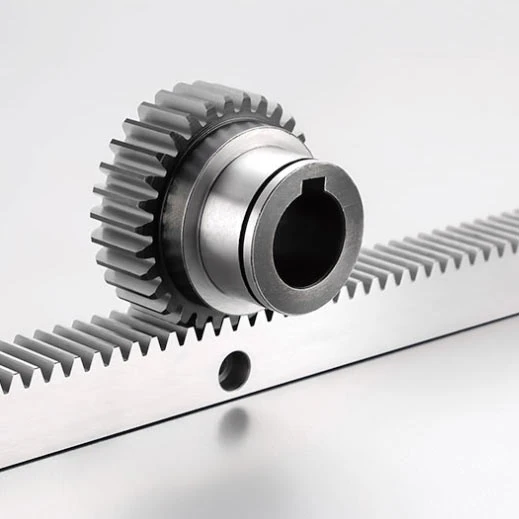
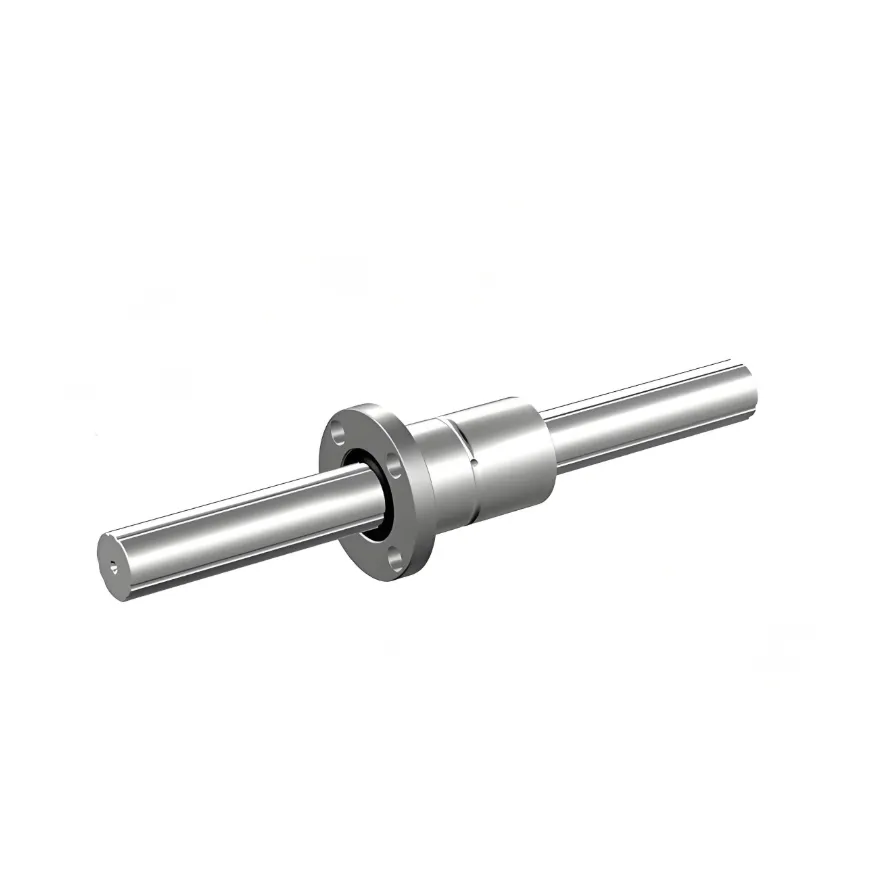
- Multiple Drive Modes: Supports ball screw, synchronous belt, and gear rack configurations to suit specific operational needs.
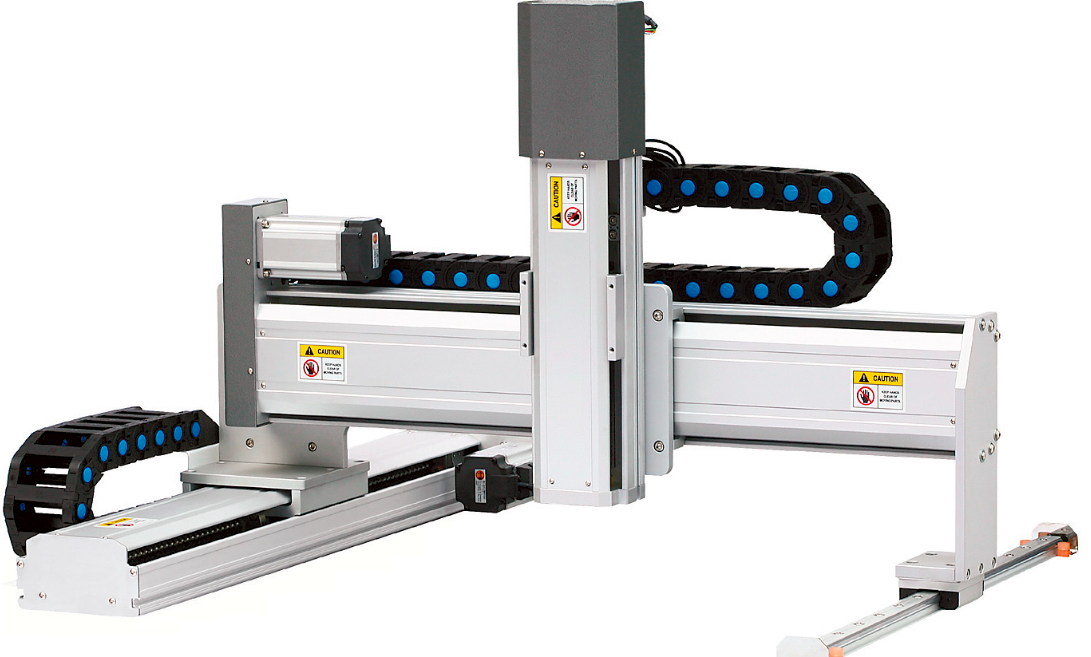
อ่านเพิ่มเติมเกี่ยวกับ โมดูลเชิงเส้น
ข้อมูลจำเพาะทางเทคนิค
| พารามิเตอร์ | ข้อมูลจำเพาะ |
|---|---|
| แบบอย่าง | เคเค 86, เคเค 60 |
| ช่วงโรคหลอดเลือดสมอง | 50 มม. - 2000 มม |
| กำลังรับน้ำหนัก | 100N - 5,000N |
| โหมดการขับขี่ | Ball Screw, Synchronous Belt, Gear Rack |
| ความแม่นยำ | ±0.02mm (ball screw mode) |
| ช่วงความเร็ว | 5 - 100 มม./วินาที |
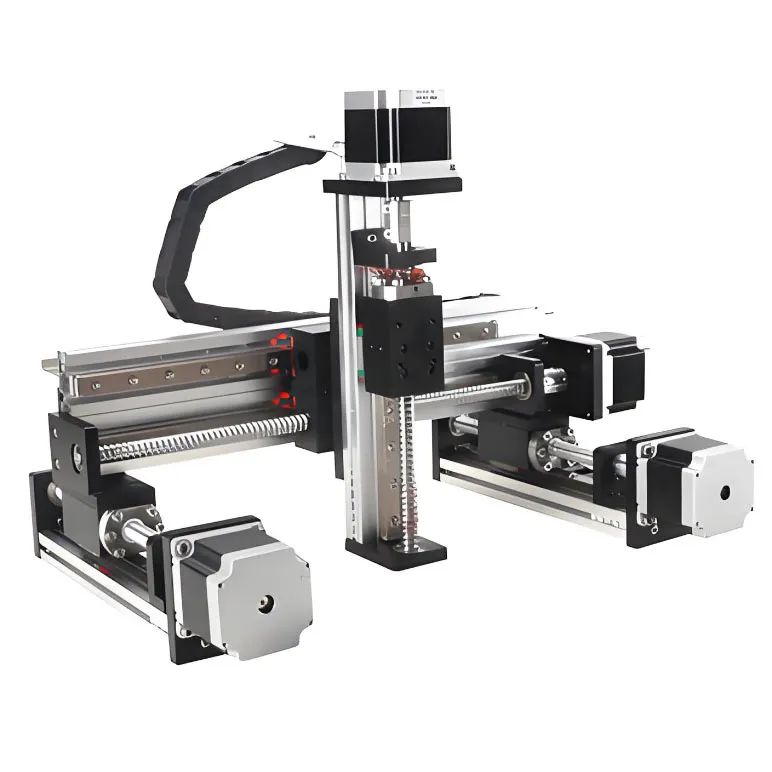
อ่านเพิ่มเติมเกี่ยวกับ โมดูลเชิงเส้น
2. Adaptability Across Industries
Unlike rigid automation systems, 3-axis modules are highly configurable. They can be integrated into existing production lines or scaled for custom applications. For example:
-
อิเล็กทรอนิกส์: Enabling precise PCB component placement in compact spaces.
-
ยานยนต์: Facilitating robotic welding with flawless trajectory control.
-
เภสัชกรรม: Ensuring sterile fill-finish operations with zero contamination risk.
This versatility stems from modular designs that allow engineers to tailor speed, load capacity, and stroke length to specific needs.
3. The Future of Motion Control
As Industry 4.0 evolves, 3-axis modules are becoming smarter. Embedded sensors and IoT connectivity enable real-time performance monitoring, predictive maintenance, and adaptive adjustments. Some models now incorporate AI-driven path optimization, further reducing cycle times and energy consumption. This convergence of mechanical precision and digital intelligence heralds a new era of "self-correcting" automation.
บทสรุป
Conclusion: Perfection as a Benchmark
สำหรับวิศวกรและผู้ผลิต โมดูล 3 แกนเป็นมากกว่าส่วนประกอบ แต่เป็นศูนย์รวมของมาตรฐานที่แน่วแน่ ตั้งแต่เริ่มต้นจนถึงการทำซ้ำในอนาคต โมดูลเหล่านี้ยังคงผลักดันขอบเขตของสิ่งที่เป็นไปได้อย่างต่อเนื่อง โดยพิสูจน์ให้เห็นว่าในระบบอัตโนมัติ ความสมบูรณ์แบบไม่ใช่จุดหมายปลายทาง แต่เป็นการไล่ตามอย่างไม่สิ้นสุด
อ้างอิง
NIST. (2023). Advanced Manufacturing Technology. Retrieved from https://www.nist.gov