The Uncompromising Standards of 3-Axis Modules
In the realm of industrial automation, precision is non-negotiable. 3-axis linear modules đại diện cho đỉnh cao của công nghệ điều khiển chuyển động, được thiết kế để đáp ứng các tiêu chuẩn khắt khe nhất trong sản xuất, robot và hơn thế nữa. Các mô-đun này—bao gồm các trục X, Y và Z—mang lại độ chính xác, độ lặp lại và tốc độ ở mức micron, khiến chúng không thể thiếu đối với các nhiệm vụ yêu cầu chuyển động hoàn hảo, chẳng hạn như gia công CNC, lắp ráp chất bán dẫn và các hoạt động chọn và đặt tốc độ cao.
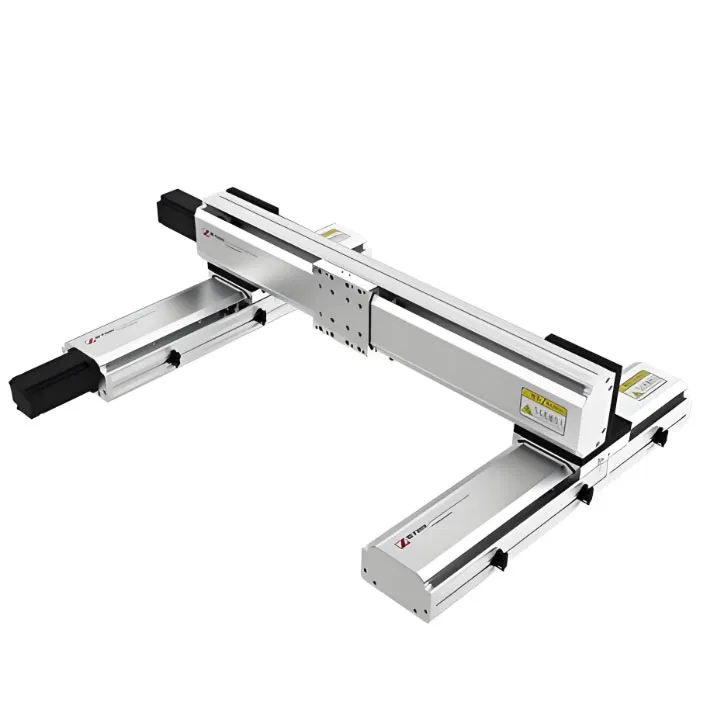
Đọc thêm về YIDI Linear 3-AXIS Module
Core Functional Advantages
1. Precision Redefined
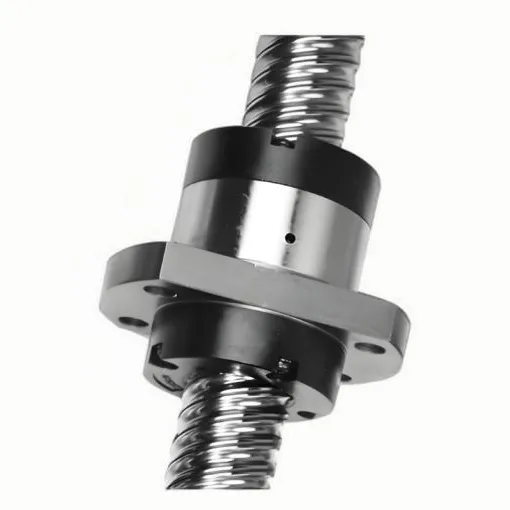
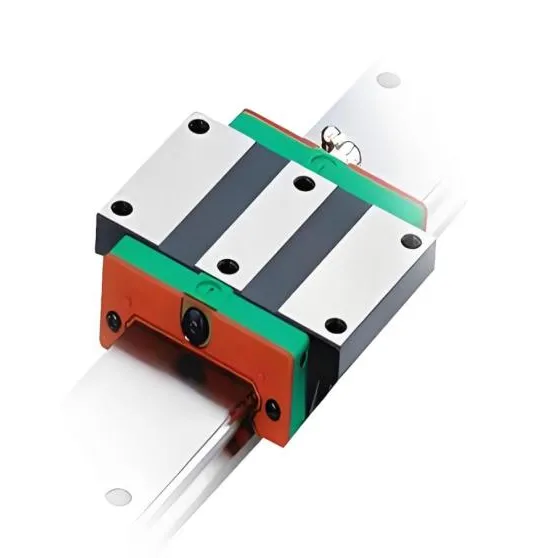
The core advantage of 3-axis modules lies in their ability to translate digital commands into physical motion with near-perfect fidelity. Advanced servo motors, ball screw mechanisms, and linear guides work in harmony to achieve 0.01mm positioning accuracy, đảm bảo rằng mọi chuyển động đều phù hợp với mục đích thiết kế. Mức độ chính xác này giúp loại bỏ lãng phí, giảm việc làm lại và nâng cao tính nhất quán của sản phẩm—rất quan trọng trong các ngành như sản xuất thiết bị y tế và hàng không vũ trụ.
Key functional features include:
- Customizable Stroke Lengths: Available in a wide range of stroke lengths to accommodate diverse application scenarios.
- Adaptive Load Capacity: Engineered to handle varying load requirements, ensuring optimal performance across different industrial settings.
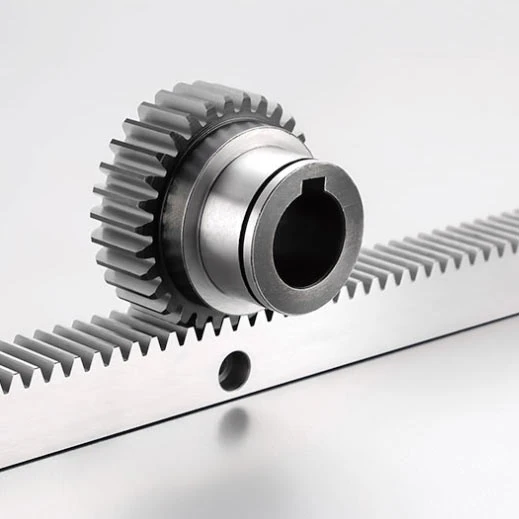
- Multiple Drive Modes: Supports ball screw, synchronous belt, and gear rack configurations to suit specific operational needs.
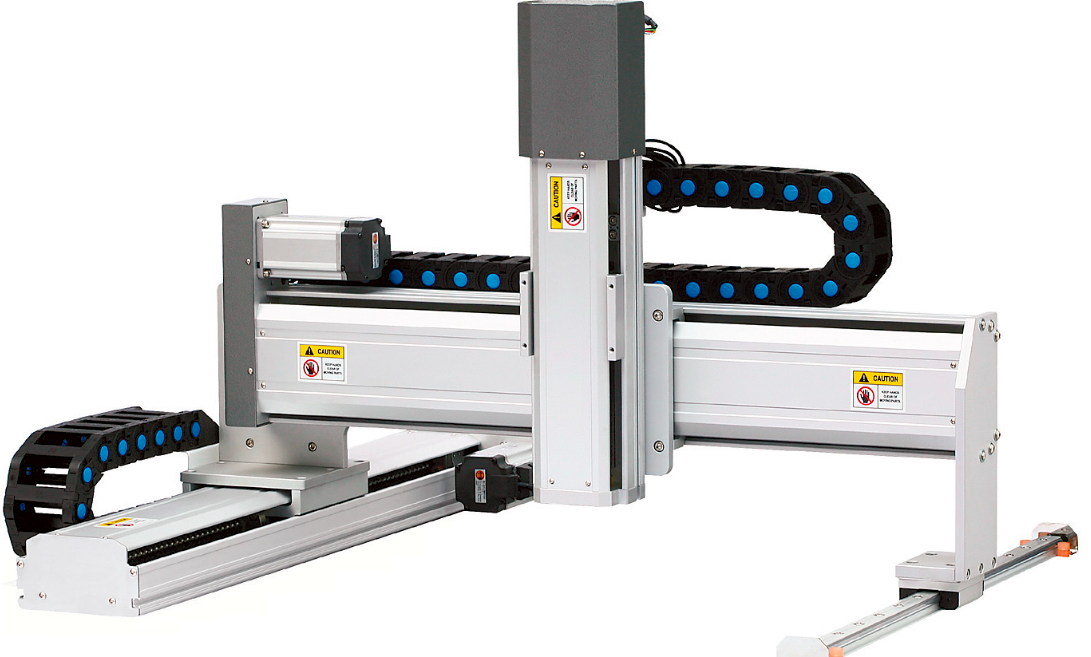
Đọc thêm về Mô-đun tuyến tính
Thông số kỹ thuật
| tham số | Đặc điểm kỹ thuật |
|---|---|
| Người mẫu | KK86, KK60 |
| Phạm vi hành trình | 50mm - 2000mm |
| Khả năng chịu tải | 100N - 5000N |
| Chế độ ổ đĩa | Ball Screw, Synchronous Belt, Gear Rack |
| Độ chính xác | ±0.02mm (ball screw mode) |
| Phạm vi tốc độ | 5 - 100 mm/giây |
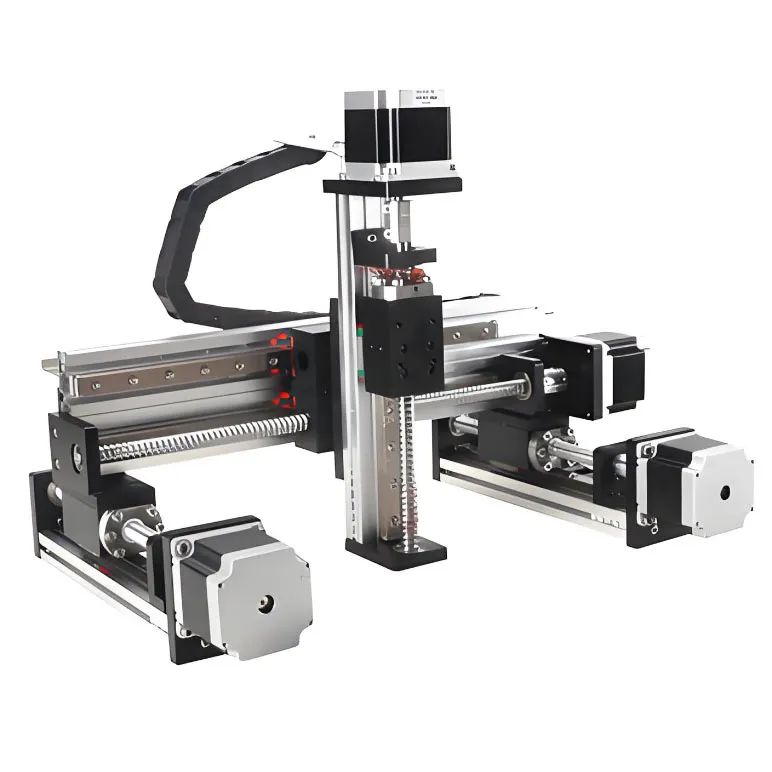
Đọc thêm về Mô-đun tuyến tính
2. Adaptability Across Industries
Unlike rigid automation systems, 3-axis modules are highly configurable. They can be integrated into existing production lines or scaled for custom applications. For example:
-
Điện tử: Enabling precise PCB component placement in compact spaces.
-
ô tô: Facilitating robotic welding with flawless trajectory control.
-
Dược phẩm: Ensuring sterile fill-finish operations with zero contamination risk.
This versatility stems from modular designs that allow engineers to tailor speed, load capacity, and stroke length to specific needs.
3. The Future of Motion Control
As Industry 4.0 evolves, 3-axis modules are becoming smarter. Embedded sensors and IoT connectivity enable real-time performance monitoring, predictive maintenance, and adaptive adjustments. Some models now incorporate AI-driven path optimization, further reducing cycle times and energy consumption. This convergence of mechanical precision and digital intelligence heralds a new era of "self-correcting" automation.
Phần kết luận
Conclusion: Perfection as a Benchmark
Đối với các kỹ sư và nhà sản xuất, mô-đun 3 trục không chỉ là các thành phần—chúng là hiện thân của các tiêu chuẩn không khoan nhượng. Từ khi thành lập cho đến những lần lặp lại trong tương lai, các mô-đun này tiếp tục vượt qua ranh giới của những gì có thể, chứng minh rằng trong tự động hóa, sự hoàn hảo không phải là đích đến mà là sự theo đuổi không ngừng.
Tài liệu tham khảo
NIST. (2023). Advanced Manufacturing Technology. Retrieved from https://www.nist.gov