The Uncompromising Standards of 3-Axis Modules
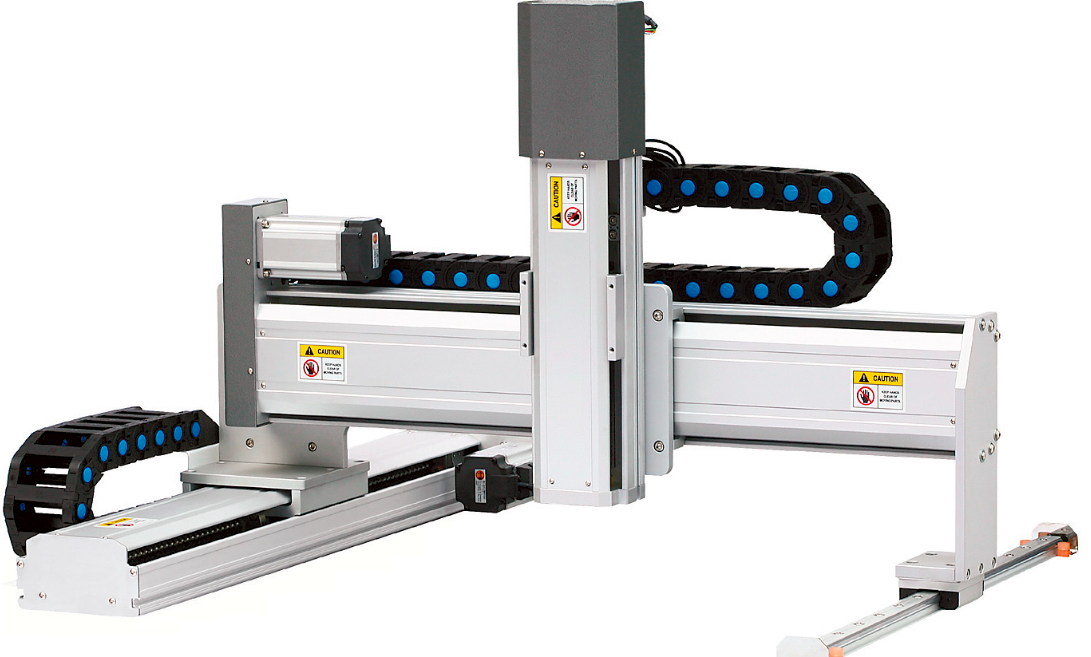
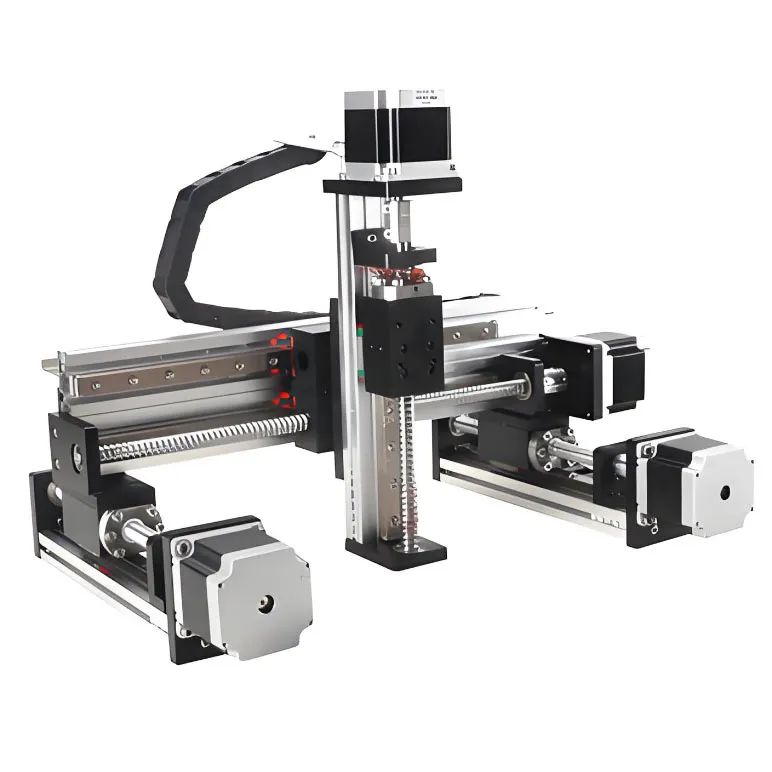
In the realm of industrial automation, precision is non-negotiable. 3-axis linear modules stellen den Gipfel der Bewegungssteuerungstechnologie dar und wurden entwickelt, um die anspruchsvollsten Standards in der Fertigung, Robotik und darüber hinaus zu erfüllen. Diese Module – bestehend aus X-, Y- und Z-Achsen – bieten Genauigkeit, Wiederholbarkeit und Geschwindigkeit im Mikrometerbereich und sind daher unverzichtbar für Aufgaben, die fehlerfreie Bewegungen erfordern, wie z. B. CNC-Bearbeitung, Halbleitermontage und Hochgeschwindigkeits-Pick-and-Place-Vorgänge.
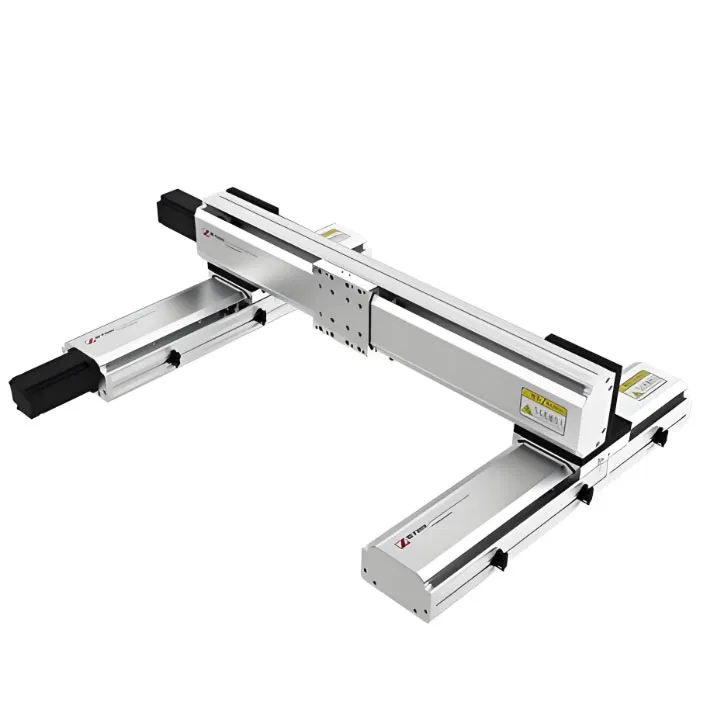
Lesen Sie mehr darüber YIDI Linear 3-AXIS Module
Core Functional Advantages
1. Precision Redefined
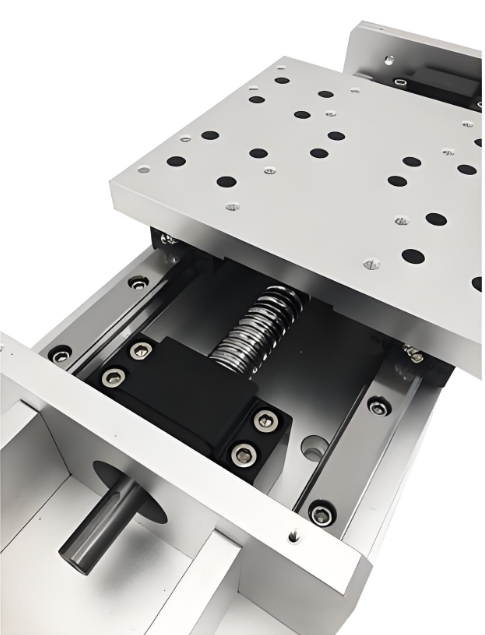
The core advantage of 3-axis modules lies in their ability to translate digital commands into physical motion with near-perfect fidelity. Advanced servo motors, ball screw mechanisms, and linear guides work in harmony to achieve 0.01mm positioning accuracy, um sicherzustellen, dass jede Bewegung mit der Designabsicht übereinstimmt. Dieses Maß an Präzision vermeidet Ausschuss, reduziert Nacharbeit und verbessert die Produktkonsistenz – entscheidend in Branchen wie der Luft- und Raumfahrt sowie der Herstellung medizinischer Geräte.
Key functional features include:
- Customizable Stroke Lengths: Available in a wide range of stroke lengths to accommodate diverse application scenarios.
- Adaptive Load Capacity: Engineered to handle varying load requirements, ensuring optimal performance across different industrial settings.
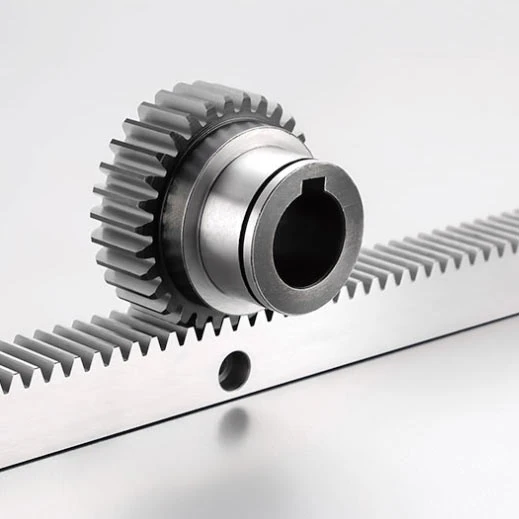
- Multiple Drive Modes: Supports ball screw, synchronous belt, and gear rack configurations to suit specific operational needs.
Lesen Sie mehr darüber Linearmodul
Technische Spezifikationen
| Thai | Spezifikation |
|---|---|
| Modell | KK86, KK60 |
| Hubbereich | 50mm - 2000mm |
| Tragfähigkeit | 100N - 5000N |
| Fahrmodi | Ball Screw, Synchronous Belt, Gear Rack |
| Präzision | ±0.02mm (ball screw mode) |
| Geschwindigkeitsbereich | 5 - 100 mm/s |
Lesen Sie mehr darüber Linearmodul
2. Adaptability Across Industries
Unlike rigid automation systems, 3-axis modules are highly configurable. They can be integrated into existing production lines or scaled for custom applications. For example:
-
Elektronik: Enabling precise PCB component placement in compact spaces.
-
Automobil: Facilitating robotic welding with flawless trajectory control.
-
Pharmazeutisch: Ensuring sterile fill-finish operations with zero contamination risk.
This versatility stems from modular designs that allow engineers to tailor speed, load capacity, and stroke length to specific needs.
3. The Future of Motion Control
As Industry 4.0 evolves, 3-axis modules are becoming smarter. Embedded sensors and IoT connectivity enable real-time performance monitoring, predictive maintenance, and adaptive adjustments. Some models now incorporate AI-driven path optimization, further reducing cycle times and energy consumption. This convergence of mechanical precision and digital intelligence heralds a new era of "self-correcting" automation.
Abschluss
Conclusion: Perfection as a Benchmark
Für Ingenieure und Hersteller sind 3-Achs-Module mehr als nur Komponenten – sie verkörpern kompromisslose Standards. Von ihrer Einführung bis hin zu ihren zukünftigen Iterationen verschieben diese Module immer wieder die Grenzen des Möglichen und beweisen, dass Perfektion in der Automatisierung kein Ziel, sondern ein ständiges Streben ist.
Referenzen
NIST. (2023). Advanced Manufacturing Technology. Retrieved from https://www.nist.gov