- 1
- 2
- Total: 2
Durable and Low-Friction Linear Rails for High-Speed Equipment
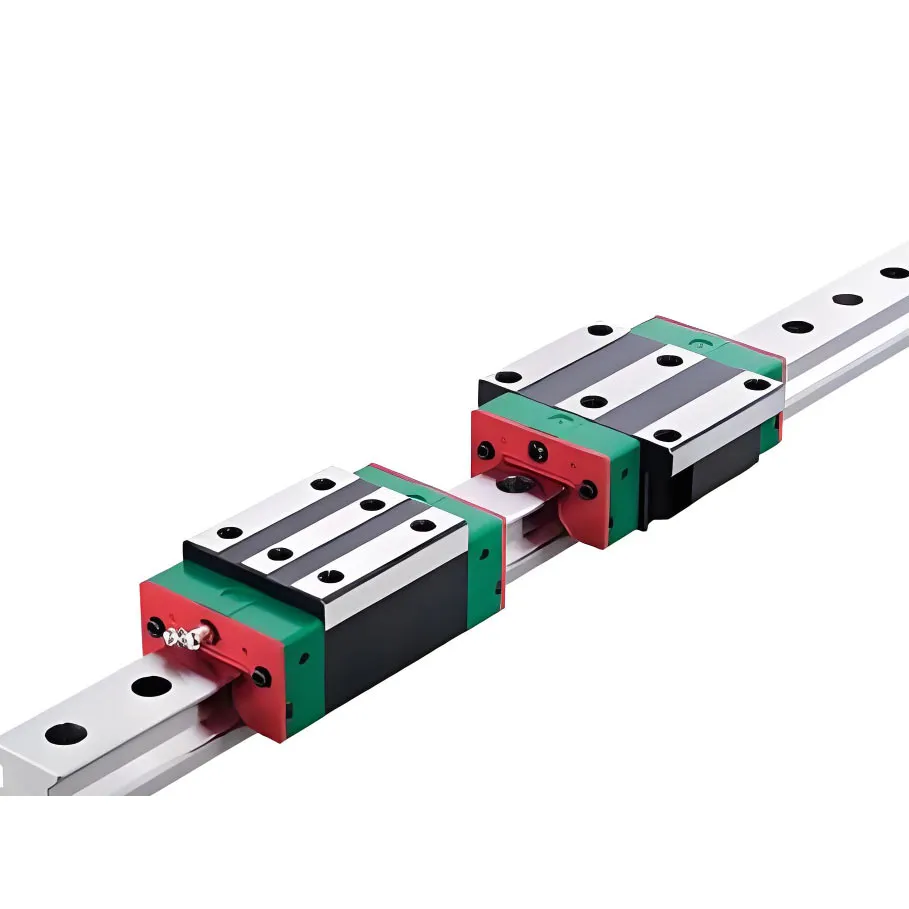
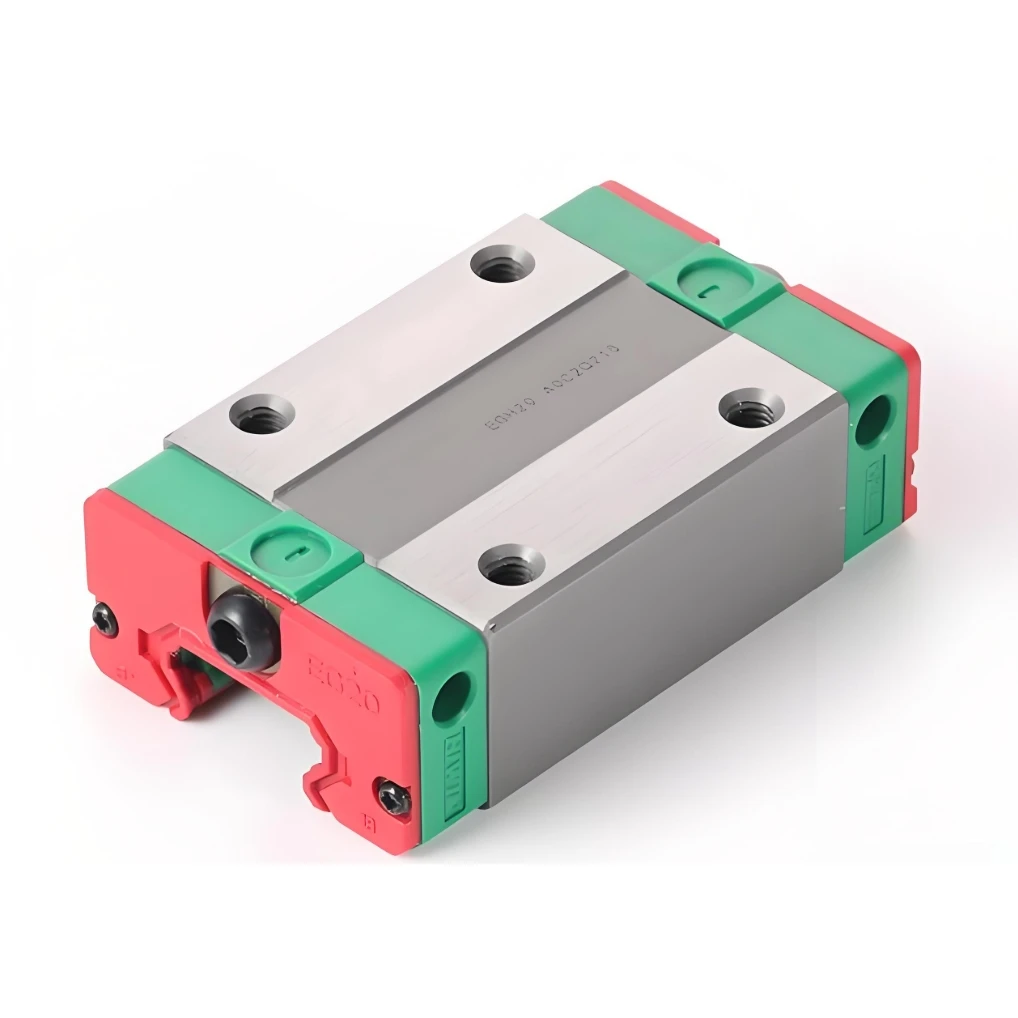
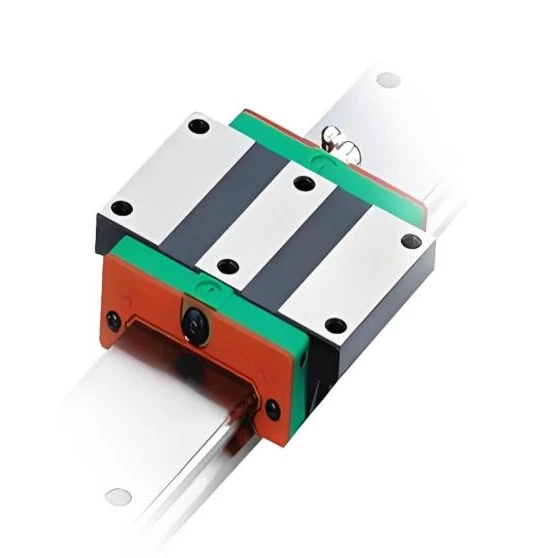
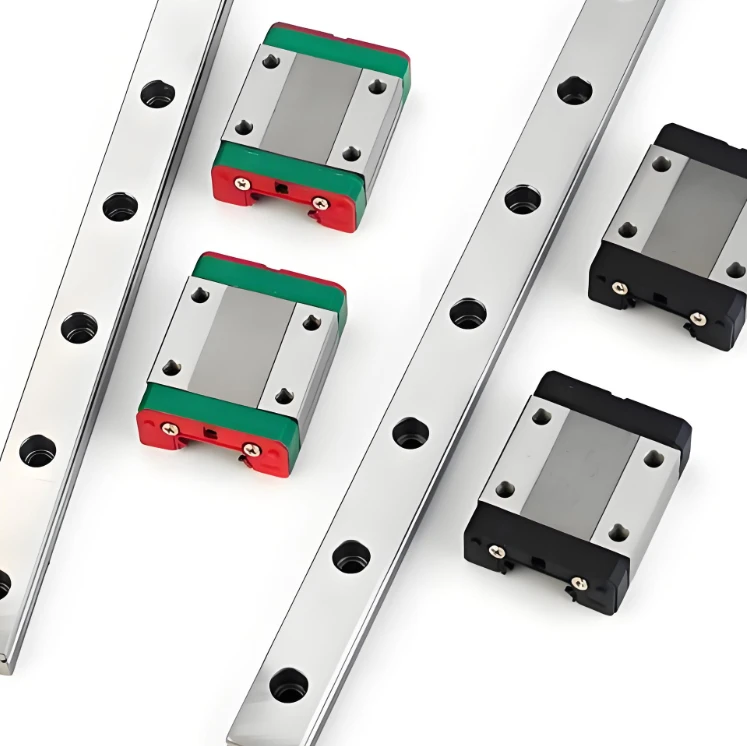
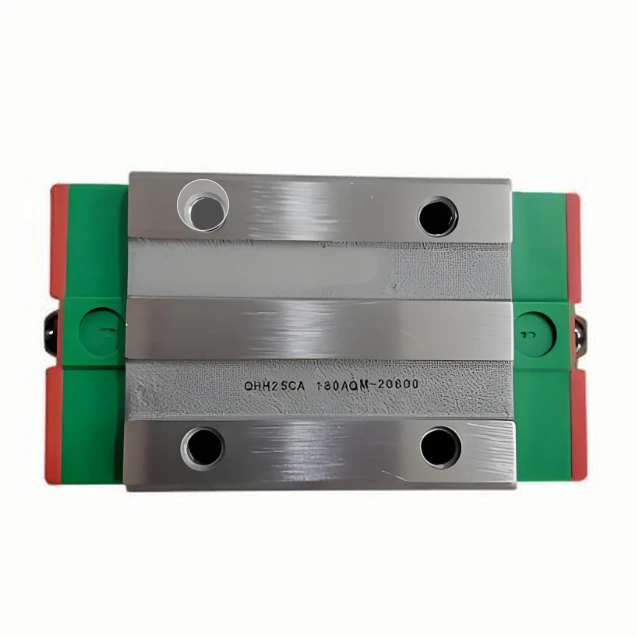
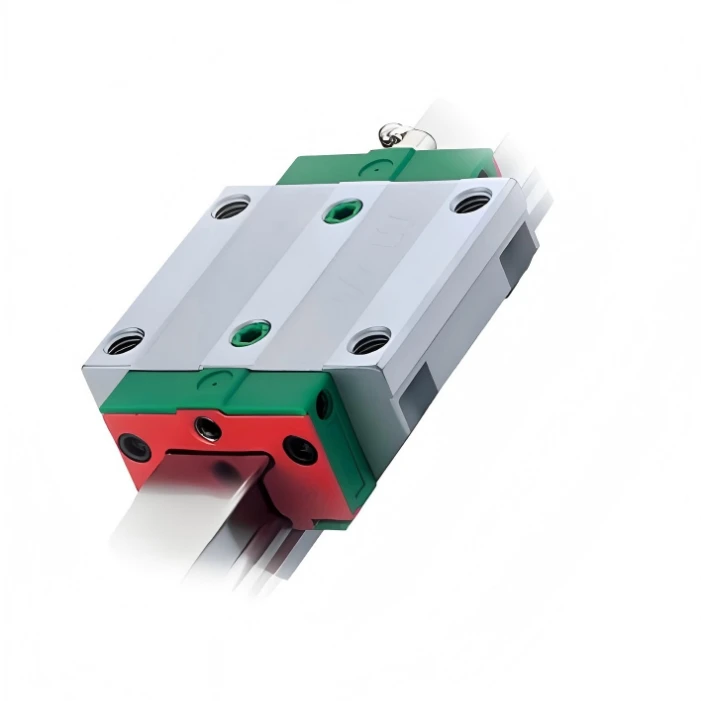
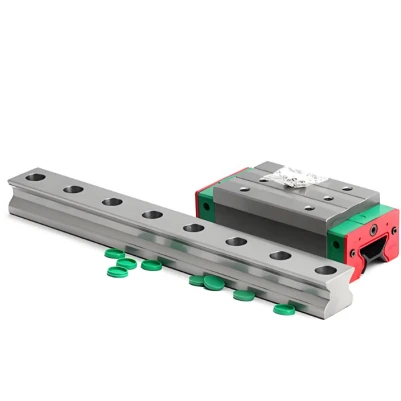
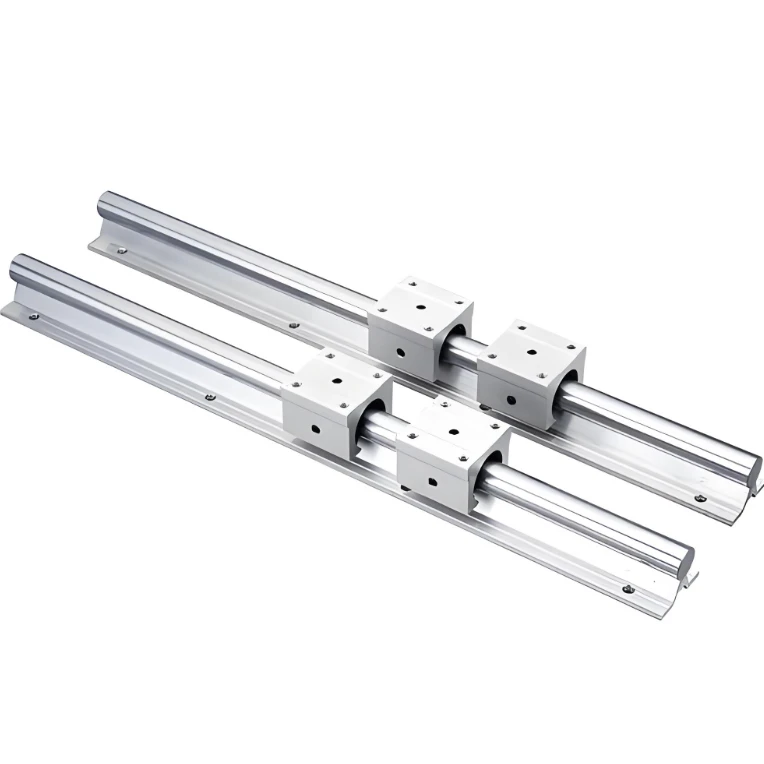
A high precision linear guide, also known as a linear motion guide or linear rail, is a mechanical component designed to support and guide motion in a straight line with high accuracy and low friction. It typically consists of a rail and a carriage (or block) that moves along the rail with the help of ball bearing linear guide mechanisms, such as recirculating ball or roller bearings. These guides are widely applied in CNC machines, 3D printers, automation systems, packaging machinery, and other industrial equipment requiring precise and smooth linear motion.
Compared to traditional slide systems, linear guides—such as aluminium linear guide rail configurations—offer significantly higher load capacities, stiffness, and accuracy. Their rolling contact minimizes friction, resulting in faster motion capabilities and extended component life. They can support loads in both horizontal and vertical orientations while maintaining stable performance under dynamic conditions like rapid acceleration or deceleration.
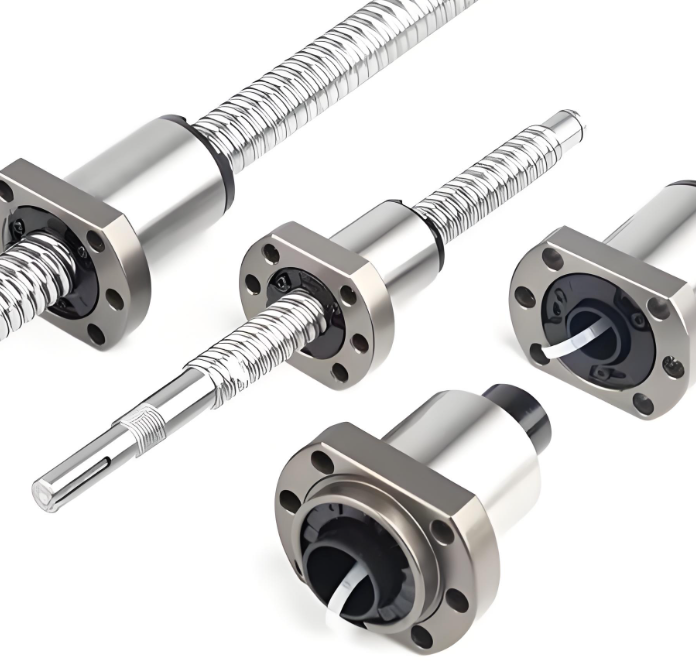
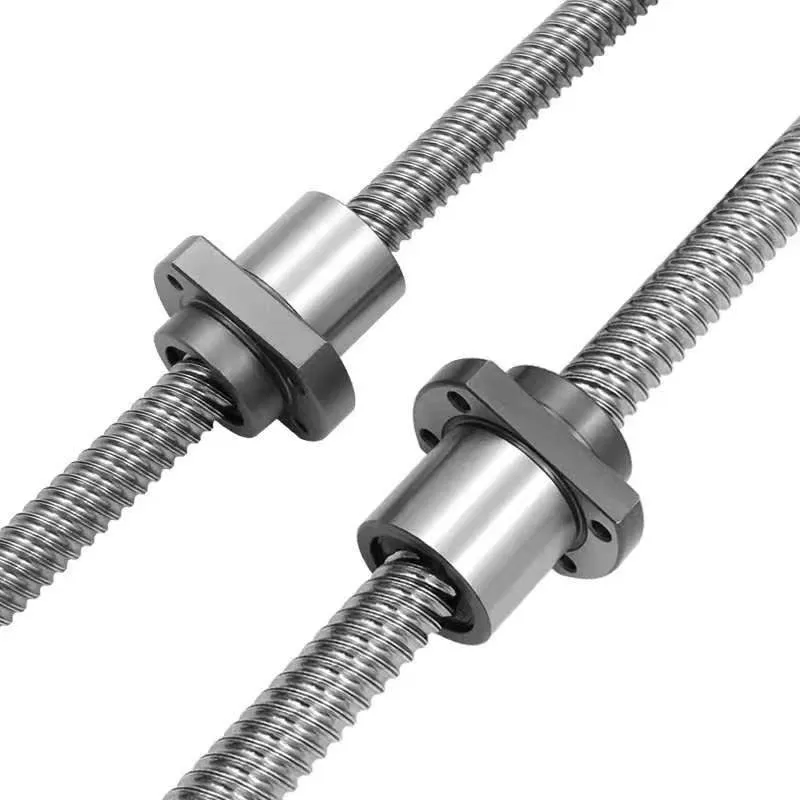
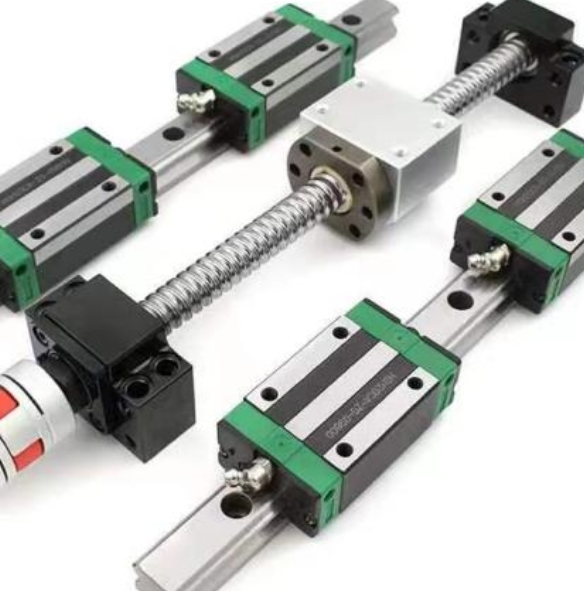
Linear guides are offered in various sizes, preload settings, and precision classes to meet different design needs. Some applications benefit from ball screw and linear guide integration, especially where synchronized multi-axis movement is essential. Common types include ball-type, roller-type, and miniature guides. Materials typically include hardened alloy steel or stainless steel that has been precision-ground for added durability and corrosion resistance.
Thanks to their modular design, these components are simple to install, align, and maintain. Many models support self-lubrication and include dustproof seals, ensuring long-term reliability with minimal upkeep.
Whether in robotics, machine tools, semiconductor systems, or medical devices, linear guides—including models like linear guide for sale—consistently deliver the precision, efficiency, and stability that modern automation systems demand.
What Is a Linear Guide?
A linear guide (also called a linear guideway or linear motion guide) is a core mechanical component used to support and guide moving parts along a straight path with high precision. It typically consists of a guide rail and a slider (carriage), allowing machines to achieve smooth, accurate, and repeatable linear motion. Linear guides are widely used in CNC machine tools, automation equipment, industrial robots, semiconductor manufacturing, packaging machinery, and precision inspection systems.
The primary function of a linear guide is to reduce friction while maintaining high rigidity and positioning accuracy. Unlike traditional sliding guides, modern linear guides use rolling elements such as steel balls or rollers between the rail and the carriage. This rolling contact dramatically lowers friction, minimizes wear, and enables high-speed movement without sacrificing stability. As a result, machines equipped with linear guides can achieve better surface finishes, tighter tolerances, and longer service life.
When selecting a linear guide, engineers usually consider factors such as load capacity, accuracy grade, rigidity, running smoothness, and durability. This is where Yidi linear guides demonstrate clear advantages.
Yidi Advantages in Linear Guide Manufacturing
Yidi focuses on delivering high-precision, high-reliability linear guide solutions for a wide range of industrial applications. One of Yidi’s key strengths lies in its advanced manufacturing processes. From precision grinding of guide rails to strict control of ball circulation systems, every step is optimized to ensure consistent accuracy and smooth motion.
In terms of material quality, Yidi linear guides are made from high-grade alloy steel, combined with optimized heat treatment processes. This significantly improves wear resistance and fatigue life, making Yidi linear guides suitable for long-term, high-load, and high-speed operations. Even in demanding environments, Yidi products maintain stable performance with minimal maintenance requirements.
Another major advantage of Yidi is its comprehensive product range and customization capability. Whether customers need standard ball-type linear guides, heavy-load roller linear guides, or customized rail lengths and preload options, Yidi can provide flexible solutions tailored to specific machine designs. This helps equipment manufacturers shorten development cycles and improve overall system efficiency.
Finally, Yidi places strong emphasis on quality control and cost-effectiveness. Each linear guide undergoes rigorous inspection for accuracy, noise level, and smoothness before delivery. By balancing precision manufacturing with efficient production management, Yidi offers linear guides that deliver excellent performance at a competitive cost—making them an ideal choice for both high-end automation and cost-sensitive industrial projects.
In summary, a linear guide is essential for precise linear motion, and choosing Yidi means choosing reliability, precision, and long-term value.
Linear Guide Types
Linear guides are essential components in machinery and automation systems, providing precise, smooth, and reliable linear motion. Choosing the appropriate linear guide types is crucial for achieving optimal performance, accuracy, and longevity in industrial, robotics, CNC, and automated applications. Linear guides vary in design, load capacity, speed, and precision, and understanding their differences helps engineers and buyers make informed decisions.
Linear Motion Rolling Guides
Linear motion rolling guides use rolling elements between the carriage and the rail to minimize friction while supporting motion. These guides offer high precision, smooth movement, and low maintenance requirements. They are ideal for applications where repeatability and accuracy are critical, such as CNC machines, robotics, and industrial automation. Rolling guides generally provide higher speed and load handling compared to sliding alternatives.
Ball Bearing Linear Guides
Ball bearing linear guides use steel balls to achieve rolling motion along the guide rails. These guides deliver exceptional accuracy, minimal friction, and quiet operation. Ball bearing linear guides are widely used in high-speed, high-precision applications like machining centers, semiconductor equipment, and 3D printing systems. They provide excellent repeatability and can handle moderate loads in multiple directions.
Linear Roller Guides
Linear roller guides replace balls with cylindrical rollers, increasing the contact area between the carriage and rail. This design enhances rigidity, load capacity, and system stability. Roller guides are well-suited for heavy-duty applications, including large gantry systems, industrial presses, and automated production lines, where high stiffness and durability are required.
Profile Rail Linear Guides
Profile rail linear guides consist of precision-ground rails paired with matching carriages. Known for high stiffness, long service life, and superior accuracy, these guides perform well under dynamic loads. They are commonly used in robotics, automated assembly lines, and packaging machinery, delivering consistent performance even in high-speed and high-load conditions.
Miniature Linear Guides
Miniature linear guides are compact solutions designed for space-constrained applications. Despite their small size, they offer precise motion, smooth operation, and reliable performance. Miniature guides are typically found in medical devices, optical instruments, and electronics assembly equipment, where both precision and compactness are essential.
Sliding (Plain) Linear Guides
Sliding (plain) linear guides rely on sliding contact surfaces instead of rolling elements. They are often made from bronze, polymer composites, or PTFE-based materials. Sliding guides provide excellent vibration damping, quiet operation, and resistance to contamination. They are suitable for woodworking machinery, simple automation systems, and environments where durability and low maintenance are prioritized over speed.
Choosing the right linear guide type—whether rolling, ball, roller, profile rail, miniature, or sliding—ensures smooth, precise motion and reliable performance tailored to your specific application.
What Is a Linear Guide Used For?
A linear guide is a precision mechanical component used to support and guide moving parts along a straight path with high accuracy, low friction, and excellent repeatability. In simple terms, it allows machines and equipment to move smoothly in a straight line while carrying loads. Linear guides are widely used in industrial automation, CNC machinery, robotics, and many types of manufacturing equipment where controlled linear motion is essential.
One of the primary uses of a linear guide is to ensure precise positioning. In applications such as CNC milling machines, laser cutting systems, and semiconductor equipment, even a tiny deviation in movement can affect product quality. Linear guides are designed with hardened rails and rolling elements—usually balls or rollers—that maintain consistent alignment and minimize vibration during motion. This makes them ideal for tasks that require micron-level accuracy.
Another important function of a linear guide is load support and distribution. Depending on the design, a linear guide can handle radial loads, lateral loads, and even moment loads. This allows engineers to design compact machines without sacrificing rigidity. For example, in automated assembly lines, linear guides help move heavy components smoothly while maintaining stability, which improves both efficiency and safety.
Linear guides are also used to reduce friction and wear compared to traditional sliding mechanisms. Because most linear guides rely on rolling contact rather than sliding contact, they significantly lower energy consumption and extend service life. This is especially valuable in high-speed or continuous-operation environments, such as packaging machinery or pick-and-place robots, where downtime directly impacts productivity.
In addition, linear guides play a key role in modular and scalable machine design. They are available in various sizes, accuracy grades, and preload options, making them suitable for everything from compact medical devices to large industrial gantry systems. Their standardized designs also make installation, replacement, and maintenance easier.
In summary, a linear guide is used wherever smooth, accurate, and reliable linear motion is required. From precision manufacturing to automated production lines, linear guides are fundamental components that help modern machines achieve higher accuracy, better efficiency, and longer operational life.
Linear Guide Design
A well-engineered linear guide design is the backbone of modern automation, CNC machinery, and precision equipment. For global buyers evaluating linear guide manufacturers, design quality is often the key factor that separates long-term reliability from frequent maintenance issues. From load distribution to material selection, every design detail directly impacts accuracy, service life, and operating stability across different industrial applications.
In today’s competitive market, linear guide systems are no longer simple mechanical components. They are integrated motion solutions that must perform under high speed, heavy load, and continuous operation. Advanced linear guide design focuses on optimized raceway geometry, smooth recirculation of rolling elements, and minimized friction coefficients. These elements ensure consistent positioning accuracy while reducing vibration and noise, which is critical for high-end manufacturing environments.
As a leading force among linear guide manufacturers, Yidi leverages years of engineering experience and continuous R&D investment to refine its linear guide design philosophy. Yidi linear guide systems are developed using precision-ground rails and high-quality steel materials, ensuring excellent hardness, wear resistance, and dimensional stability. Through optimized contact angles and load-bearing structures, Yidi designs allow linear guides to handle both dynamic and static loads with superior balance, extending service life even in demanding applications.
The rise of linear guide China as a global supply hub has also reshaped buyer expectations. Yidi stands out by combining cost efficiency with strict quality control standards. From raw material inspection to final performance testing, each linear guide system undergoes rigorous evaluation to meet international accuracy and durability requirements. This commitment allows Yidi to deliver linear guide solutions that compete confidently with established global brands while maintaining competitive pricing.
Ultimately, a strong linear guide design is not just about precision—it’s about long-term value. By choosing linear guide systems from experienced manufacturers like Yidi, customers gain stable motion performance, reduced downtime, and dependable support. As automation continues to evolve, Yidi’s focus on innovative linear guide design positions the brand as a reliable partner for industries seeking efficiency, accuracy, and sustainable growth.
Linear Guide Selection
Choosing the right linear guide is a critical step when designing or upgrading industrial equipment, CNC machines, automation lines, or heavy-load mechanical systems. With many options on the market, understanding how load capacity, accuracy, rail structure, and application environment interact will help you select the most suitable linear guide for sale without overengineering or unnecessary cost.
First, consider load type and weight. For applications involving high static or dynamic loads—such as gantry systems, large-format CNC machines, or steel processing equipment—a heavy duty linear guide rail or heavy duty linear guide is essential. These systems are designed with reinforced rail profiles and larger rolling elements to withstand shock loads, vibration, and continuous operation. When combined with heavy duty linear bearing slide rails, they provide excellent rigidity and long service life, even under harsh industrial conditions.
Next, rail size plays a major role in performance. A popular option like the linear guide rail 25mm offers a strong balance between load capacity and installation flexibility. It is commonly used in mid-to-large automation equipment where stability and precision must coexist. Larger rail sizes improve stiffness, while smaller ones favor compact designs, so selection should always align with the machine’s structural layout and motion requirements.
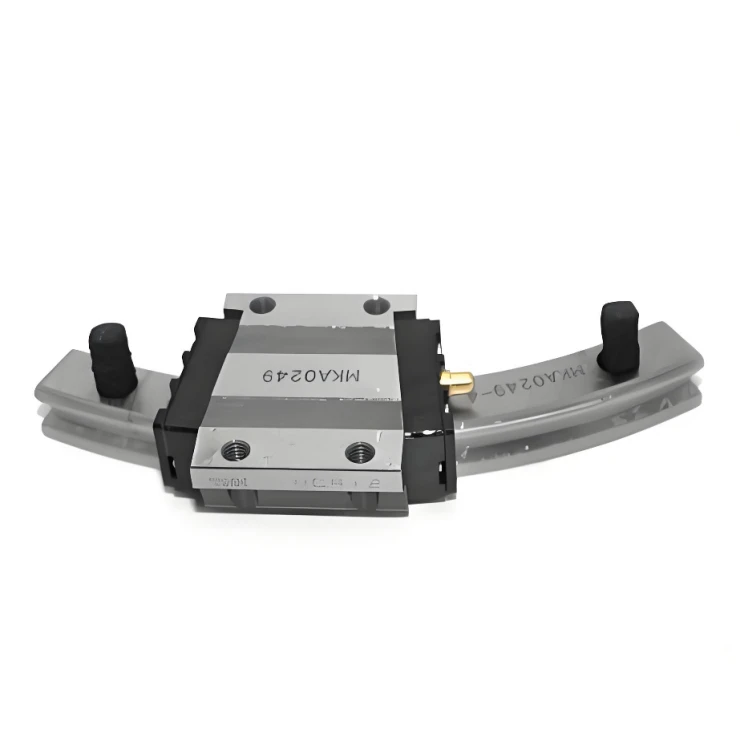
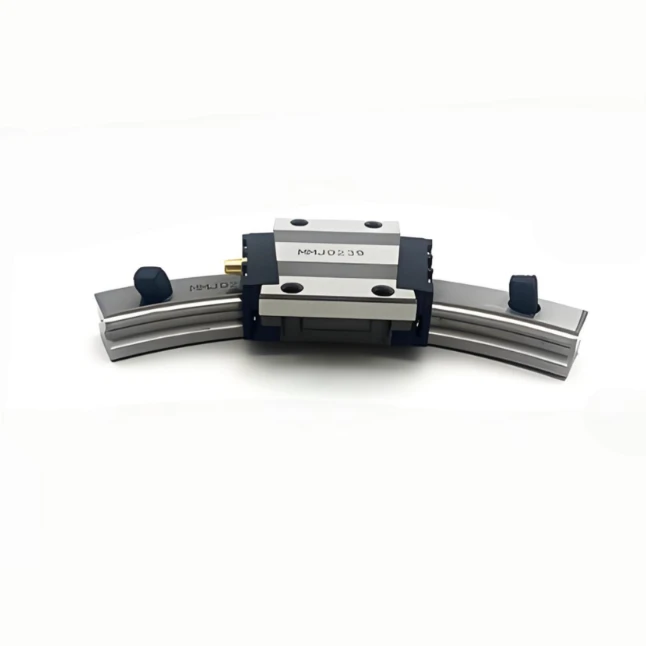
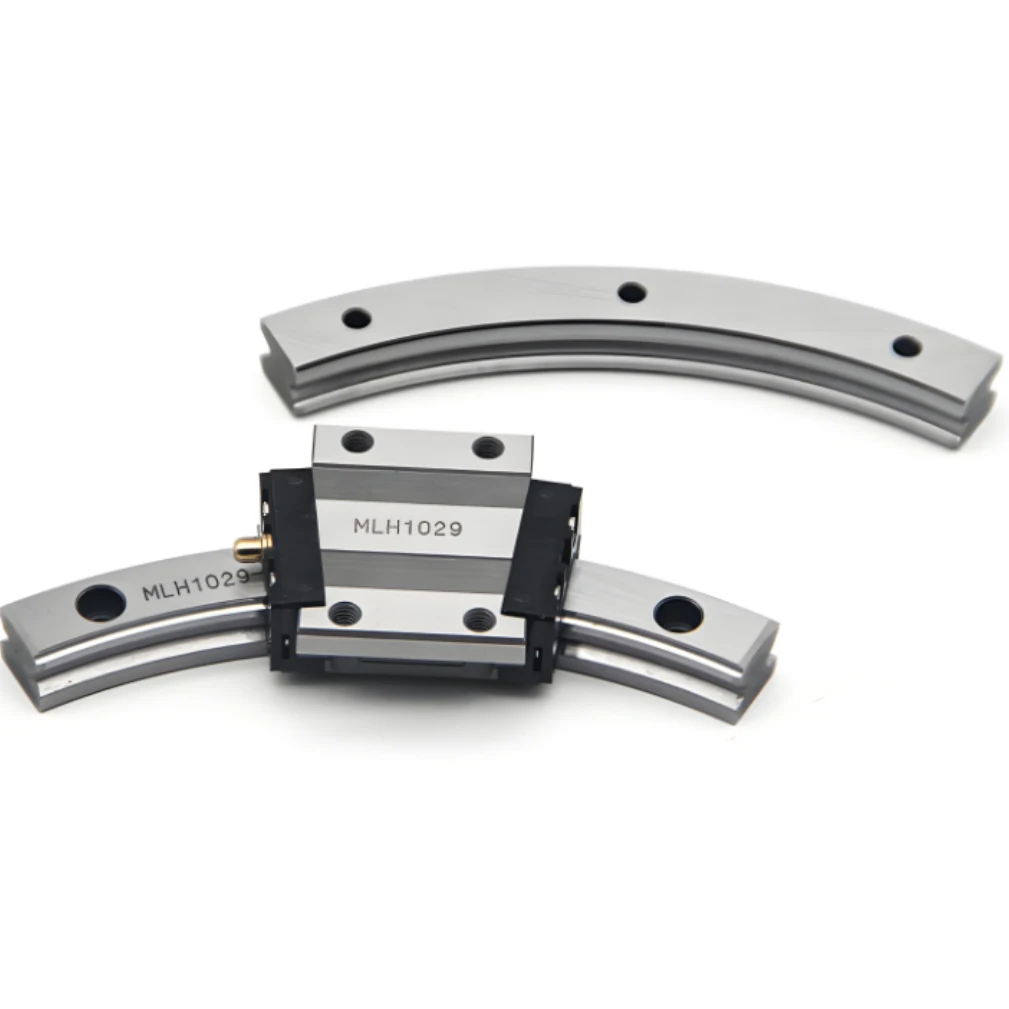
Application geometry is another key factor. For systems that follow non-linear paths—such as automated doors, inspection equipment, or special conveyors—a curved guide rail is the best solution. Unlike traditional straight rails, curved designs allow smooth motion along arcs while maintaining guidance accuracy. This makes them ideal for customized automation layouts where space optimization is critical.
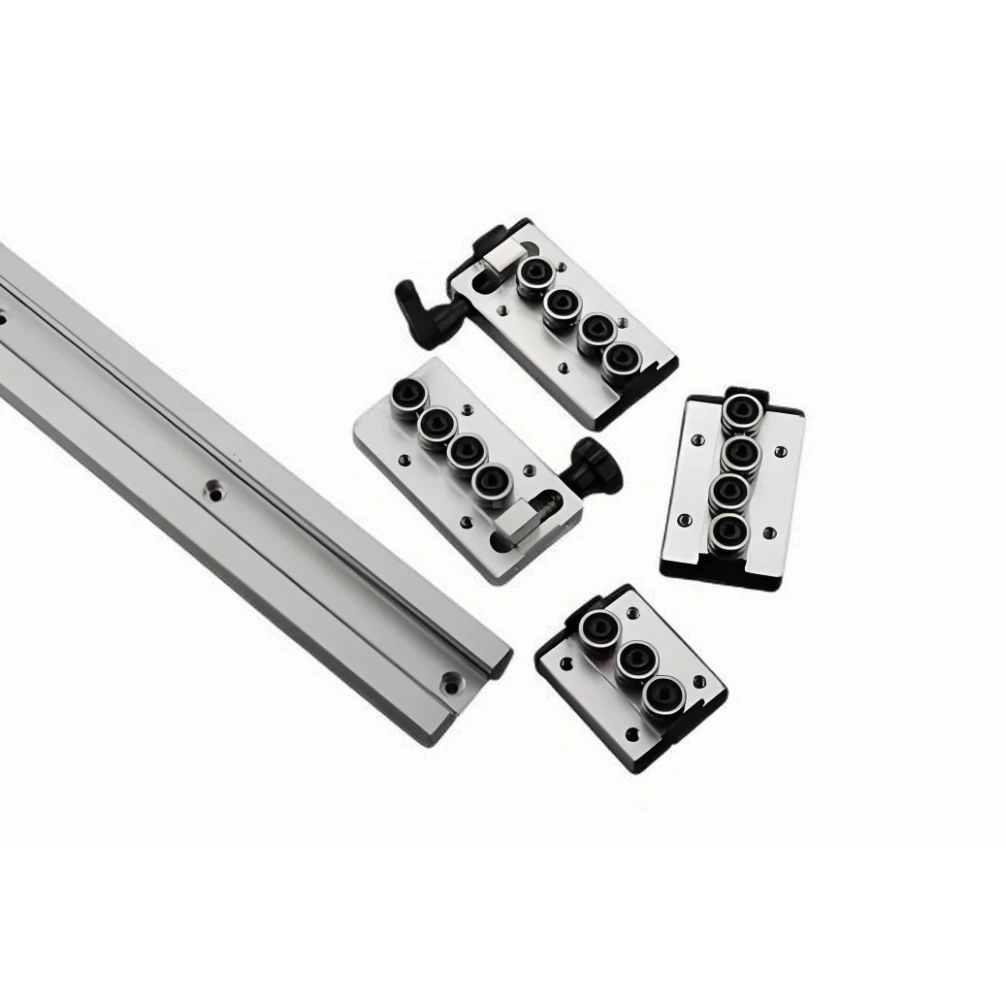
For applications demanding enhanced stability and anti-torsion performance, a double axis roller linear guide is worth considering. With two parallel guiding axes and roller-based bearings, this configuration distributes loads more evenly and reduces deflection. It is especially suitable for long-stroke movements, heavy tooling, or precision positioning systems that require consistent alignment.
In summary, selecting the right linear guide depends on a clear understanding of load demands, rail size, motion path, and stability requirements. Whether you need a heavy duty linear guide rail, a compact linear guide rail 25mm, or a specialized curved guide rail, matching the guide system to real-world operating conditions is the key to achieving long-term performance, accuracy, and reliability.
Linear Guide Installation
Proper linear guide installation is critical to achieving smooth motion, high positioning accuracy, and long service life in CNC machines, automation equipment, and industrial motion systems. Even a premium linear guide rail and block can suffer from premature wear, vibration, or loss of precision if installation is not carried out correctly. By following standardized installation procedures and alignment principles, manufacturers can fully realize the performance advantages designed into the linear guide system.
The first step in linear guide installation is preparing the mounting surface. The base surface must be flat, rigid, and clean, with machining tolerances that meet the guide manufacturer’s specifications. Any burrs, debris, or surface irregularities can introduce misalignment, which directly affects load distribution across the rolling elements. In high-precision applications, reference edges or datum surfaces are often used to control straightness and parallelism during mounting.
Next comes rail positioning and fastening. Linear guide rails should be lightly placed on the mounting surface and aligned against the reference edge before tightening bolts. Bolts are typically tightened in stages, following a specified sequence and torque value. This gradual tightening process helps prevent rail distortion and ensures consistent contact with the mounting surface. For long travel systems, careful attention must be paid to rail joint alignment to avoid steps or gaps that could cause vibration or noise during operation.
Once the rail is secured, carriage installation and alignment are performed. The linear guide block should be mounted to the moving table or saddle while ensuring parallelism between multiple rails. Improper parallel alignment can lead to uneven preload, increased friction, and reduced bearing life. In dual-rail systems, dial indicators or laser alignment tools are commonly used to verify straightness and parallelism along the full stroke.
Finally, inspection, lubrication, and trial operation complete the linear guide installation process. After installation, the system should be moved through its full travel to check for abnormal resistance, noise, or binding. Proper lubrication must be applied according to the operating environment and load conditions, as adequate lubrication reduces wear and protects against contamination. A well-executed linear guide installation not only improves motion accuracy but also minimizes maintenance costs and downtime over the equipment’s lifecycle.