High-Precision Ball Screws for Smooth, Accurate, and Energy-Efficient Linear Motion
Ball screws are high-precision mechanical components used to convert rotary motion into smooth and accurate linear motion. Their primary function is to provide high-efficiency linear movement in applications requiring precise positioning, repeatability, and low friction.
Ball screw industries such as CNC machinery, industrial automation, robotics, semiconductor manufacturing, medical equipment, and aerospace systems rely on these components where consistent performance and fine control are critical. Unlike traditional lead screws, actuator ball screw systems use a rolling mechanism—ball bearings travel along a helical groove—allowing for up to 90% transmission efficiency and drastically reduced wear.
Compared to sliding mechanisms, precision ball screw designs exhibit significantly lower friction, ensuring smooth operation with minimal power loss. This makes them ideal for high-speed and energy-conscious applications.
With tight manufacturing tolerances and reduced backlash, actuator ball screw assemblies offer exceptional positioning accuracy and motion repeatability—crucial in high-end manufacturing and inspection systems.
Manufactured from hardened steel and equipped with effective lubrication systems, ball screws demonstrate excellent durability even in continuous-use scenarios, reducing downtime and maintenance costs. Preloaded ball nuts and robust construction allow precision ball screw units to handle heavy axial loads with minimal deflection, ensuring system stability during dynamic operation.
Thanks to optimized circulation design and precision ball recirculation, ball screws operate with minimal noise and vibration—making them ideal for sensitive environments in ball screw industries like medical and laboratory applications.
Ball Screw Selection
Selecting the right ball screw is a critical step in achieving high precision, efficiency, and long service life in linear motion systems. With many ball screw types available on the market, understanding key selection factors—and choosing a reliable supplier like Yidi—can significantly reduce operational risks and total cost of ownership.
First, it’s important to identify the appropriate ball screw types based on your application requirements. Common options include ground ball screws for ultra-high precision, rolled ball screws for cost-effective industrial use, and miniature ball screws for compact automation equipment. Load capacity, positioning accuracy, speed, and duty cycle all directly influence which type is best suited. For example, CNC machines and semiconductor equipment often require ground ball screws, while general automation lines may perform perfectly with rolled ball screws.
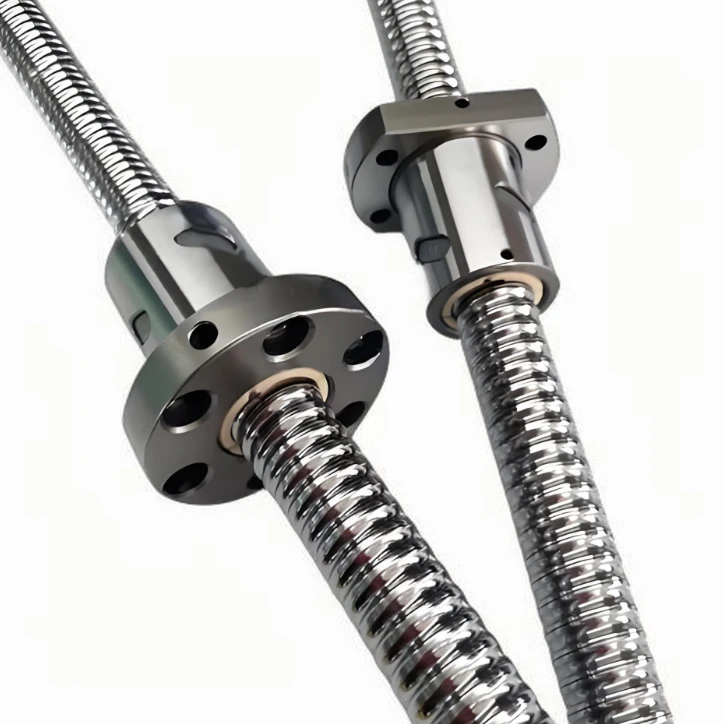
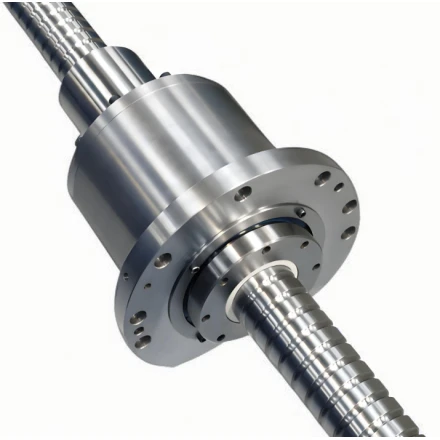
Second, consider the matching of the ball screw and nut. The nut design affects preload, rigidity, backlash, and noise levels. A properly selected ball screw and nut combination ensures smooth motion, minimal vibration, and stable accuracy over time. Preloaded nuts are ideal for applications demanding zero backlash, while standard nuts may be sufficient for less critical positioning tasks.
When evaluating ball screws for sale, material quality and manufacturing process should never be overlooked. High-grade alloy steel, optimized heat treatment, and precision grinding or rolling processes are essential for durability and performance. This is where working with experienced ball screw manufacturers becomes a major advantage. Reputable manufacturers offer consistent quality, traceable materials, and strict inspection standards.
Yidi’s advantage lies in its strong manufacturing capabilities and application-focused engineering support. As a professional ball screw manufacturer, Yidi provides a full range of ball screw types, customized lead and diameter options, and precision-matched ball screw and nut assemblies. Yidi also supports customers from selection to installation, helping optimize designs for load, speed, and lifespan. With stable quality control and competitive pricing, Yidi makes it easier to source reliable ball screws for sale without compromising performance.
In summary, effective ball screw selection depends on technical requirements, correct matching of components, and choosing trusted ball screw manufacturers. By combining clear application analysis with Yidi’s proven expertise, you can ensure long-term accuracy, efficiency, and reliability in your linear motion systems.
Ball Screw Working Principle
The ball screw working principle is based on converting rotary motion into smooth, precise linear motion with extremely high efficiency. Compared with traditional lead screws, a ball screw uses rolling contact instead of sliding friction, which significantly reduces energy loss and wear. This makes ball screw systems widely used in CNC machines, automation equipment, robotics, and precision positioning systems.
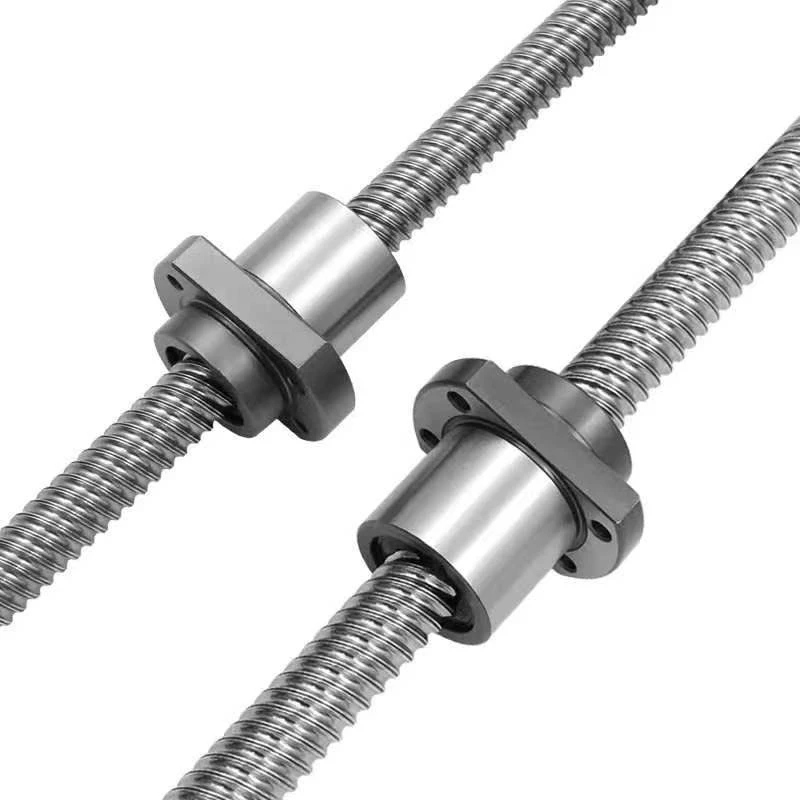
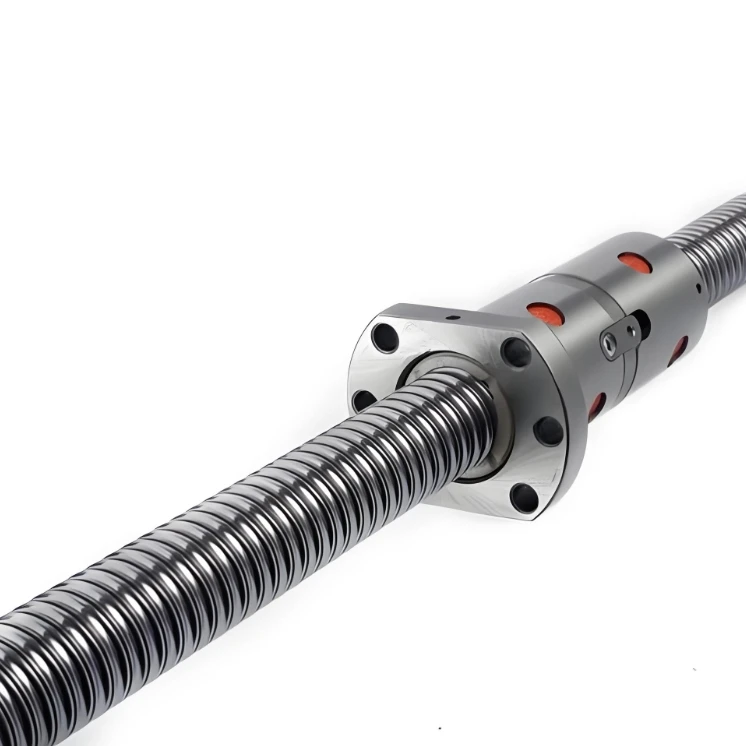
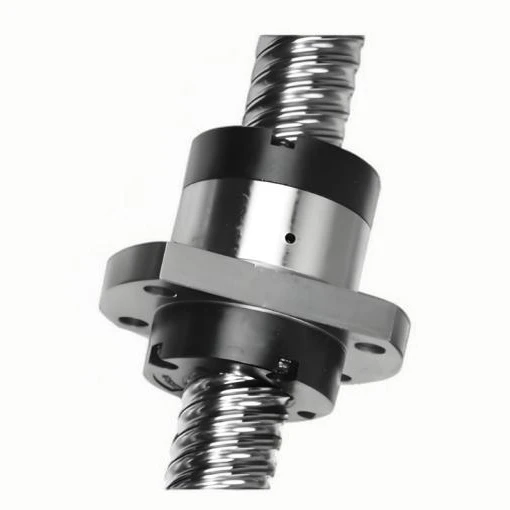
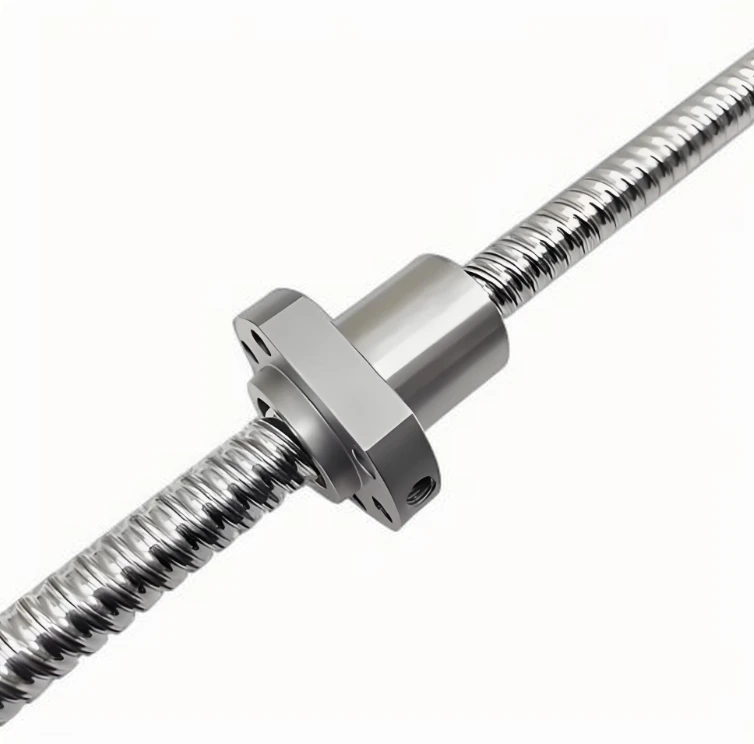
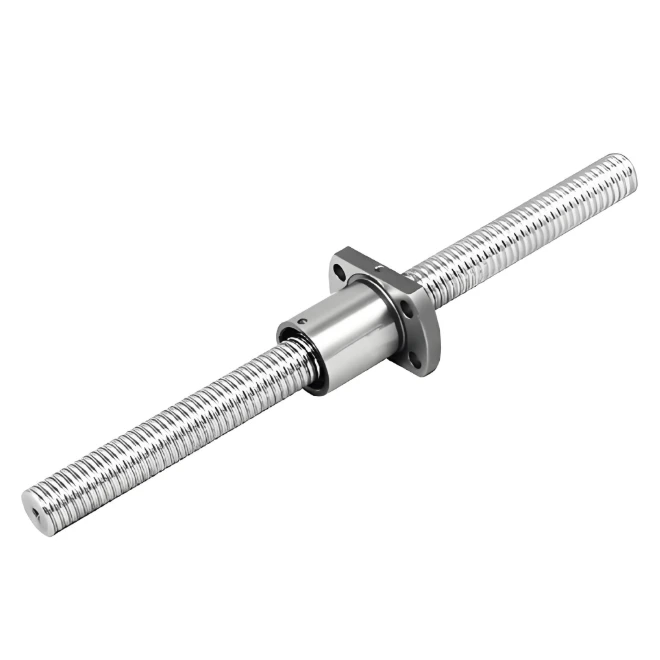
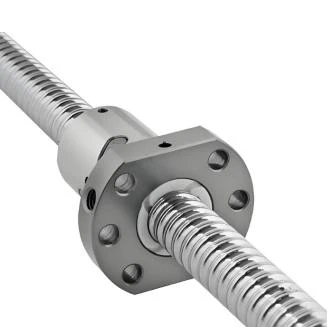
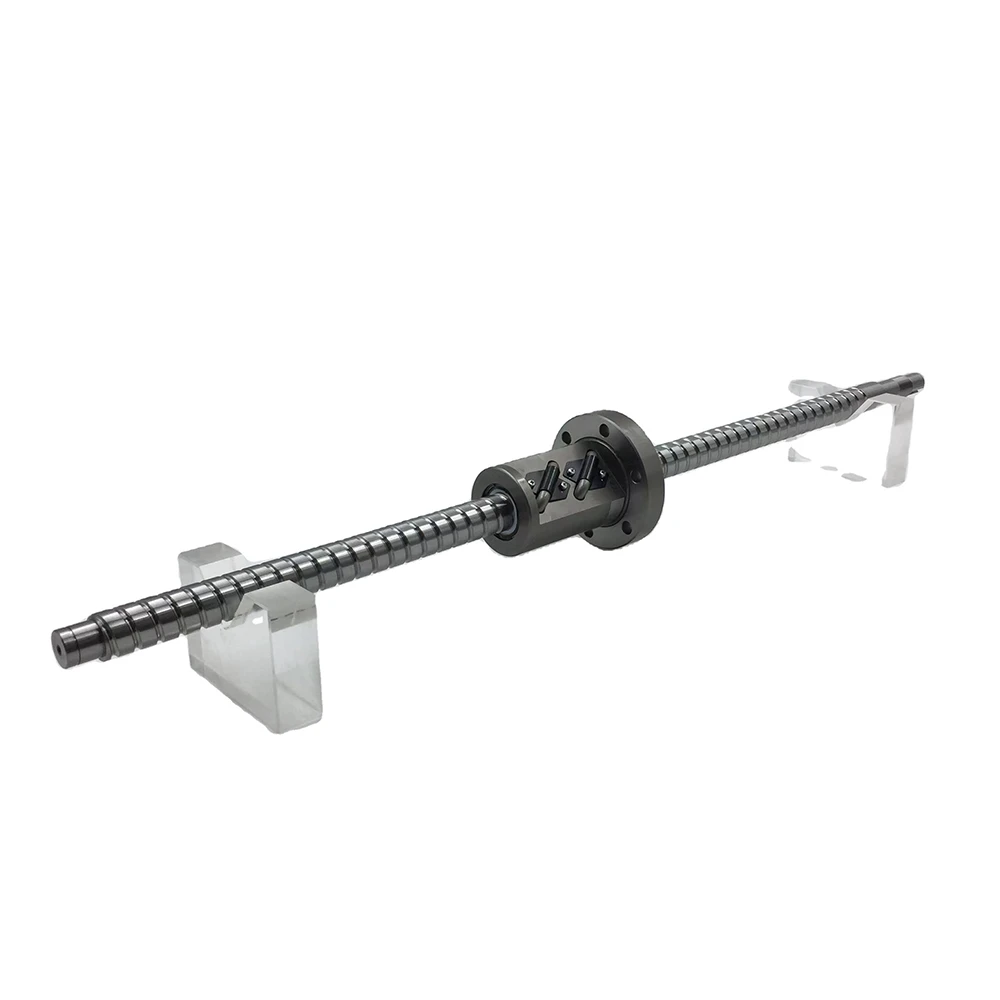
At the core of a ball screw assembly are three main components: the screw shaft, the ball nut, and a set of steel balls. The screw shaft features a precisely machined helical groove, while the ball nut contains a matching internal groove. Steel balls are placed between these two grooves, forming a continuous rolling path. When the screw shaft rotates, the balls roll along the grooves rather than sliding, allowing the nut to move linearly along the axis of the screw.
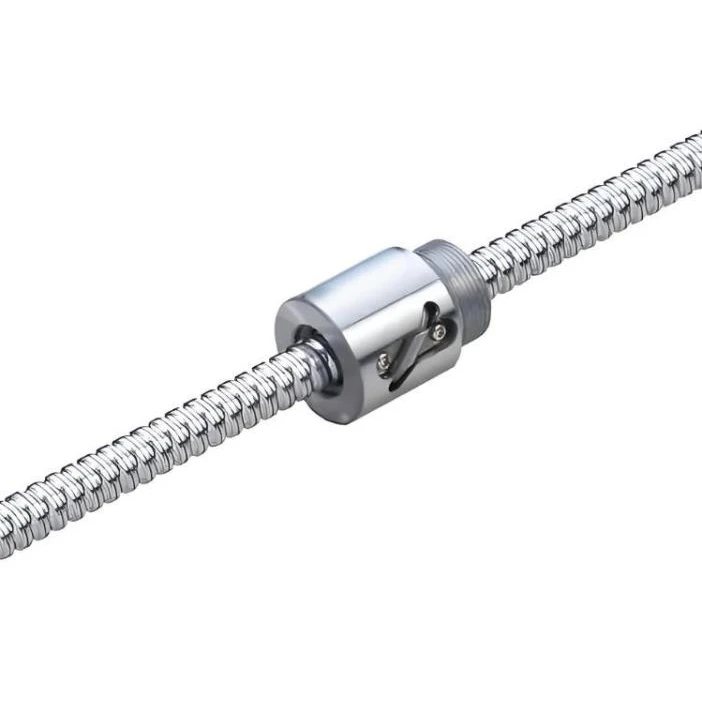
A key part of the ball screw working principle is the ball circulation system. As the screw rotates, the balls travel along the helical groove until they reach the end of the nut’s raceway. At this point, they are redirected back to the starting position through a return mechanism, such as an internal return tube or an external return cap. This closed-loop circulation allows continuous motion without losing balls and ensures consistent load distribution during operation.
Because rolling friction is much lower than sliding friction, ball screws typically achieve mechanical efficiencies of up to 90% or higher. This high efficiency means less torque is required to generate the same linear force, reducing motor size and energy consumption. Additionally, ball screws can be preloaded to eliminate axial backlash. Preloading involves applying a slight internal force between the nut and the screw, improving positioning accuracy and rigidity—critical factors in high-precision motion control.
In practical applications, the ball screw working principle also contributes to excellent repeatability and long service life. The uniform load distribution across multiple balls minimizes localized stress, reducing wear on the screw and nut. With proper lubrication and maintenance, ball screw systems can operate reliably under high speed, heavy load, and demanding accuracy requirements, making them a fundamental component in modern linear motion technology.
Ball Screw Size
Selecting the correct ball screw size is a critical step in designing reliable and efficient linear motion systems. The diameter of a ball screw directly affects load capacity, rigidity, speed, and service life. From compact automation equipment to heavy-duty industrial machinery, understanding different sizes—from micro options to large diameters—helps engineers make informed decisions. In many applications, a custom ball screw is also required to balance performance, space constraints, and cost.
For lightweight and highly compact systems, small diameters such as 4mm ball screw and 6mm ball screw are commonly used. These sizes are ideal for medical devices, laboratory instruments, and miniature automation where precision and low inertia are more important than high load capacity. A 10mm ball screw slightly increases rigidity and load rating, making it suitable for desktop CNC machines, optical equipment, and small positioning stages.
Mid-range diameters are the most widely applied in industrial automation. A 12mm ball screw and 16mm ball screw (also frequently referred to as ball screw 16mm) offer an excellent balance between load capacity, speed, and cost. These sizes are popular in pick-and-place machines, packaging equipment, and light CNC systems. Stepping up, 20mm ball screw and 25mm ball screw options are often selected for higher loads and longer strokes, commonly found in machine tools, robotics, and semiconductor manufacturing lines.
For heavy-duty applications, larger diameters such as 32mm ball screw, 40mm ball screw, and even 63mm ball screw are essential. These sizes provide high axial stiffness and can withstand significant dynamic and static loads, making them suitable for large CNC machining centers, gantry systems, and industrial presses. While larger screws offer superior strength, they also require careful consideration of installation space, motor torque, and support bearing design.
Ultimately, choosing the right ball screw size is not just about diameter—it involves evaluating load requirements, speed, accuracy, and working conditions. When standard sizes cannot fully meet system demands, a custom ball screw solution allows optimization of diameter, lead, length, and end machining to achieve the best overall performance.